The Northern Circuit: Kilimanjaro's Longest and Newest Route
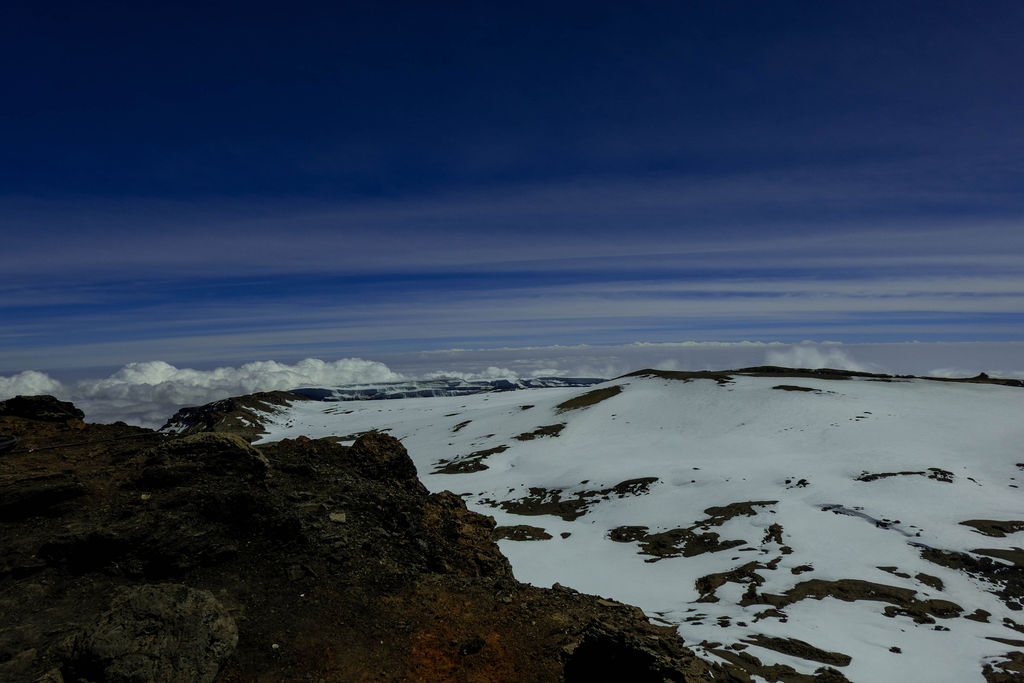
Most people planning to climb Kilimanjaro choose one of the same few routes. Machame is popular because friends have done it; Lemosho is recommended for its scenery; and Marangu is chosen for being the cheapest. The Northern Circuit is rarely mentioned, which is exactly why it deserves a closer look.
The Northern Circuit is Kilimanjaro's longest and newest route. Many consider it the best because it has the highest summit success rate, offers real solitude on the northern slopes, and circles the entire peak. Fewer people choose it mainly because it takes more time and costs more. If you have both, it is the best way to climb Kilimanjaro.
What Makes the Northern Circuit Different from Every Other Route
Most Kilimanjaro routes approach the summit from the south or southwest. Machame, Lemosho, Umbwe, and Marangu all use the same southern path above 4,000 meters, sharing camps and the final stretch to Uhuru Peak. This often means crowded campsites at Barafu, long lines at the summit rim on busy days, and a climb that can feel more organized than adventurous.
The Northern Circuit heads north at the Shira Plateau, before the southern routes come together. From there, you walk on quiet trails with much less foot traffic. The scenery becomes drier and more open, with clear views north to the Kenyan plains on sunny days. Wildlife is more common here, too. Eland and buffalo have been seen on the northern slopes, and colobus monkeys are often spotted in the rainforest at the start.
This route lets you see more of Kilimanjaro than any other. By the summit, you will have viewed the mountain from all four sides, while most climbers only see two.
The Route in Plain Terms: Where It Goes and Why That Matters
The Northern Circuit begins at Londorossi Gate on the western side of the mountain, the same as where the Lemosho route starts. For the first two to three days, the paths are the same, up through dense rainforest to the Shira Ridge, then across the Shira Plateau to Shira 2 Camp at around 3,850 meters.
Day four is where the routes separate. Lemosho and Machame turn east and south toward Lava Tower and Barranco Valley. The Northern Circuit turns north, heading toward Moir Hut at roughly 4,200 meters. From here, you enter a section of the mountain that most Kilimanjaro climbers simply never reach.
The next three days take you across the northern slopes via Buffalo Camp and Third Cave, where the trail briefly rejoins the Rongai route from the east. The terrain is remote, and the camps are quiet. The summit push departs from School Hut at 4,800 meters, approaching Uhuru Peak from the east via Gilman's Point. Descent follows the Mweka route down the southeast face.
Day-by-Day Itinerary: 9 Days on the Northern Circuit
Day 1: Drive from Arusha or Moshi to Londorossi Gate (2,100m). Registration, then a 3-4 hour hike through Londorossi rainforest to Mti Mkubwa Camp (2,650m). Watch for colobus monkeys.
Day 2: Through the final forest onto open moorland, ascending the Shira Ridge to Shira 1 Camp (3,600m). First views of Kibo's ice fields across the plateau.
Day 3: A gentler day across the Shira Plateau to Shira 2 Camp (3,850m). Unique Senecio trees and abundant wildflowers. Temperatures drop sharply at night here.
Day 4: Where the Routes Split. This is where the Northern Circuit stands out. Rather than going to Lava Tower, you cross the Shira Plateau to the north. The crowds disappear quickly, and by the time you reach Moir Hut (4,200m), you may have the camp to yourself. The landscape is open, windswept, and beautiful, offering a different experience from the busy southern side. You can also add a side hike to Lava Tower for extra acclimatization before heading down to camp.
Day 5: A moderate climb out of Moir Valley, with a possible side trip to Lent Hills (4,375m) for additional acclimatization. Continue traversing the northern slopes to Buffalo Camp (4,020m). Views extend north toward Kenya all day.
Day 6: Up and over Buffalo Ridge, then descending to Porfu Camp before continuing east to Third Cave (3,870m), where the Northern Circuit briefly meets the Rongai trail. A shorter hiking day that gives the body time to consolidate acclimatization.
Day 7: Steady climb across the Saddle between Kibo and Mawenzi to School Hut (4,800m). An early dinner and rest before the summit push tonight.
Day 8: The midnight start is standard on all Kilimanjaro routes. From School Hut, you climb to Gilman's Point on the crater rim, then traverse to Uhuru Peak (5,895m). The Northern Circuit approach from the east is typically less crowded at Gilman's Point than the southern approach. Descend the same day to Mweka Camp (3,100m) via the Mweka route.
Day 9: A final 2-3 hour walk through the rainforest to Mweka Gate (1,640m). Certificates are issued at the gate. A transfer back to Arusha or Moshi closes out the climb.
The Acclimatization Advantage: Why This Route Has the Highest Success Rate
The main reason climbers do not reach Kilimanjaro’s summit is moving too quickly. Most 6-day routes take you from sea level to almost 6,000 meters in under a week, giving little time to adjust. The Northern Circuit fixes this by adding two or three extra days, allowing for a slower, safer climb with more chances to acclimatize.
By summit day on the Northern Circuit, you will have spent much more time between 3,800 and 4,800 meters than on any other route. This extra time leads to a 95% summit success rate, compared to 75-85% on the Machame route. If you have the time and want the best chance of success, this makes a big difference.
We never promise summit success on any Kilimanjaro route, since the mountain is unpredictable. However, we are confident that the Northern Circuit offers the best acclimatization profile available.
Planning a Kilimanjaro climb?
For years, our locals have helped people reach the summit on every main route. Our guides know the mountain well because they grew up nearby. Contact us, and we’ll help you choose the best route for your schedule, fitness, and goals.
Frequently Asked Questions
Q. How long is the Northern Circuit route on Kilimanjaro?
The Northern Circuit covers approximately 88 kilometers (53 miles) in total, making it the longest of all seven established Kilimanjaro routes. The standard itinerary is 9 days of trekking. Most tour operators also offer an 8-day option, though the 9-day version provides a more meaningful acclimatization profile.
Q. Can I do the Northern Circuit as a first-time hiker?
Yes, provided you are in good physical condition and have prepared properly. The Northern Circuit is not a technical climb: no ropes, no crampon requirements below the crater, no prior mountaineering experience needed. Its longer duration makes it more demanding in terms of cumulative effort, but the gradual acclimatization profile actually makes the altitude component more manageable than on shorter routes. If you are new to high-altitude trekking, read our beginner's guide to Kilimanjaro first.
Q. What gear do I need for the Northern Circuit?
The same core kit applies to every Kilimanjaro route: a sleeping bag (rated to at least -15C), waterproof outer layers, insulated midlayers, hiking poles, quality boots well broken in before the trek, and a headlamp for the midnight summit push. The northern slopes can be windier and drier than the southern face: factor that into your layering system.