Ethical Kilimanjaro Climbing: How One Company's Porter Fund Changes Lives
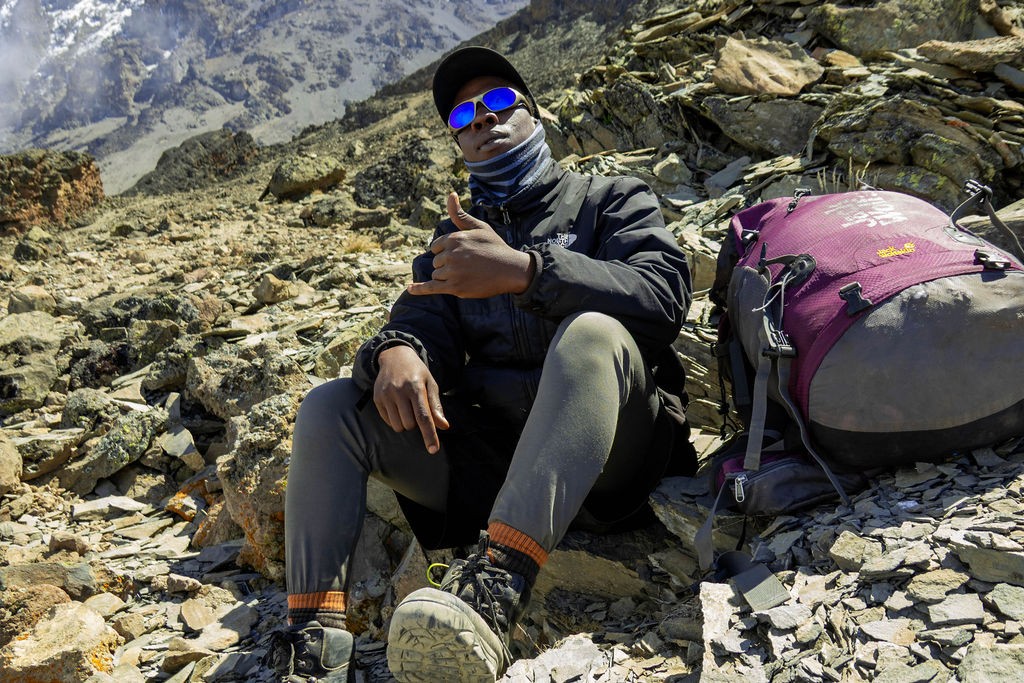
Every year, roughly 50,000 tourists attempt to summit Kilimanjaro. Behind every one of them is a team of 5 to 10 porters who carry 20 kilograms of gear, food, camping equipment, and water up and down the mountain for wages that can range from $5 per day with budget operators to $15+ per day with ethical ones. The porters are the invisible workforce of Kilimanjaro tourism. Without them, nobody summits. Yet the way they are treated varies so dramatically between operators that two climbers on the same route, on the same day, sharing the same mountain, can be participating in fundamentally different ethical realities.
This matters to you as a traveler for two reasons. First, the ethical one: choosing how your money is spent on the mountain is a moral decision, whether you frame it that way or not. Second, the practical one: operators who treat their crews well deliver measurably better client experiences. The food is better because the chef is motivated. The camps are set up more quickly because the porters are rested and well-fed. The guides are more experienced because they choose to stay with companies that treat them fairly. Ethical climbing is not just the right thing to do. It produces a better trip.
The Reality of Porter Life on Kilimanjaro
Kilimanjaro porters are overwhelmingly young men from villages around Moshi, Arusha, and the broader Kilimanjaro region who enter the industry because formal education and alternative employment were not available to them. Many start carrying loads in their late teens or early twenties. The physical demands are severe: porters carry up to 20 kilograms at regulated operators, sometimes more at unregulated ones, walking 5 to 8 hours daily at altitudes up to 4,600 meters in conditions ranging from equatorial rainforest heat to sub-zero summit temperatures.
The work is seasonal, concentrated in the June-to-October and December-to-February peak seasons. During off-months, many porters have no income. Those who work for budget operators face additional hardships: overloaded packs exceeding the 20-kilogram KINAPA limit, inadequate food provisions, insufficient shelter, and wages as low as $3 to $5 per day for backbreaking labor in extreme conditions.
KINAPA (Kilimanjaro National Park Authority) has established minimum wage guidelines and mandatory load weight checks at park gates. Enforcement has improved in recent years but remains inconsistent. The Kilimanjaro Porters Assistance Project (KPAP), now known as the Kilimanjaro Responsible Tourism Organization (KRTO), monitors operator compliance and publishes a partner list of companies that meet fair treatment standards. But many travelers are entirely unaware that these distinctions exist when they compare operators solely on price.
What 'Ethical Kilimanjaro Climbing' Actually Means in Practice
Fair Wages That Exceed Minimums
KINAPA's minimum daily wage for porters is approximately $10. Ethical operators pay $12 to $15+ per day, making a material difference over a 7-day trek. For a porter supporting a family, this gap can mean modest stability instead of subsistence. Always ask operators what they pay porters and how it compares to the KINAPA minimum; a clear answer signals transparency and ethics.
Strict Load Weight Compliance
The KINAPA regulation caps porter loads at 20 kilograms, weighed at the park gate. Ethical operators conduct their own pre-gate weight checks and redistribute loads if any porter exceeds the limit. Budget operators sometimes bypass this by loading porters after the gate check or by carrying items that technically belong to the climber in ways that shift weight without documentation. The 20-kilogram limit exists because carrying more than this at altitude for extended periods causes cumulative musculoskeletal damage that can end a porter's career.
Quality Food and Adequate Shelter
At ethical operators, porters eat the same quality food as clients. Not the same menu, but nutritionally equivalent meals prepared from quality ingredients. Budget operators provide porters with basic rations, often just ugali (maize porridge) and beans, which are insufficient to meet the physical demands of high-altitude load carrying. Shelter matters equally: porters at ethical operators sleep in proper tents with adequate insulation. At budget operators, porters may share cramped, inadequate shelters that provide little protection from the cold.
Emergency Medical Coverage
Ethical operators include porters in their emergency medical protocols. If a porter shows signs of altitude sickness, they are evacuated with the same urgency as a client. Budget operators sometimes expect porters to descend alone or wait for the next group coming down the mountain. The disparity in emergency care reflects a fundamental difference in how operators view their crews: as valued team members or as replaceable labor.
KiliDestination's Porter Education Fund: A Different Model
KiliDestination Adventures takes a distinctive approach to porter welfare. Rather than limiting their commitment to compliance with existing standards, they have built an educational fund into the company's business model. The KiliDestination Education Fund directs 10 percent of profits from every trip to providing schooling opportunities for active Kilimanjaro porters and crew members.
The fund covers tuition fees, educational materials, and examination costs. The rationale is direct: most porters entered the industry because they lacked access to education. Providing that education retroactively opens previously closed career pathways. Former porters who have received education through the fund have advanced to certified mountain guides, professional mountain chefs, and other roles within the tourism industry that pay significantly more and involve less physical strain.
What makes this model distinctive is its self-sustaining structure. The fund does not rely on donations or one-time contributions, but is funded automatically by the company's operating margin, growing as the business grows. Every trek and safari booked with KiliDestination allocates funds for education, at no extra action or cost to the traveler.
The founder's personal history gives this model an authenticity difficult to replicate. Kelvin Donald started his career as a Kilimanjaro porter. He carried loads up the mountain for wages that did not allow him to envision a different future. Through opportunity and determination, he progressed from assistant guide to lead guide, then founded KiliDestination Adventures. The education fund is designed to create that same progression pathway for other porters, systematically rather than depending on individual luck.
How Other Top Operators Approach Porter Welfare
KPAP/KRTO Partnership: Operators undergo regular audits of wages, load weights, food, and shelter. KPAP partners, such as Duma Explorer and Altezza Travel, demonstrate basic ethical compliance but are not required to offer additional welfare programs.
B Corp Certification: Altezza Travel is B Corp certified, meaning all social and environmental impacts are assessed, beyond just porter treatment. This broad certification evaluates governance, worker care, community, and environmental responsibility.
Direct Education Programs: KiliDestination’s Porter Education Fund invests directly in education for porters, aiming to address the root causes of why people become porters. This approach adds value to KPAP participation.
No single approach is superior. The best operators combine multiple mechanisms. What matters is that the operator you choose demonstrates a genuine, verifiable commitment to porter welfare through at least one of these frameworks.
How Your Booking Decision Shapes the Industry
Every Kilimanjaro booking is a vote for a certain kind of tourism. When you choose an operator based solely on the lowest price, you are incentivizing a model that cuts porter wages, overloads packs, provides inadequate food, and treats crew members as expendable. When you choose an operator with demonstrated ethical commitments, whether through KPAP membership, B Corp certification, or education programs, you signal that the market rewards responsible practices.
The price difference between ethical and budget operators is often smaller than travelers expect. For a 7-day Machame Route trek, the gap between a budget operator at $1,200 and an ethical operator at $2,200 to $2,800 is $600 to $1,600 per person. That difference buys fair porter wages, quality food for the entire crew, proper safety equipment, experienced guides, and the intangible but real benefit of knowing that your dream trek did not come at the expense of someone else's dignity.
For many travelers, this is the most expensive trip of their lives. Spending an additional $600 to $1,600 to ensure that the people making your summit possible are treated fairly is not a luxury. It is the minimum ethical baseline for participating in an industry built on the labor of some of Tanzania's most economically vulnerable people.
How to Identify an Ethical Operator Before You Book
Ask about porter wages directly: A responsible operator will tell you their daily porter rate and how it compares to KINAPA's minimums. Evasiveness is a definitive red flag.
Check KPAP/KRTO partner status: The KPAP partner list is publicly available. Operators on this list submit to regular compliance audits.
Read TripAdvisor reviews for crew mentions: Reviews that mention porter treatment, crew attitudes, and food quality indicate an operator with visible ethical standards.
Look for specific welfare programs: Whether it is KPAP partnership, B Corp certification, education funds, or community programs, ethical operators can point to specific, verifiable commitments.
Be suspicious of the cheapest option: In an industry where park fees are fixed and represent 40 to 60% of total costs, the cheapest operator is almost certainly achieving that price by compromising crew welfare.
Frequently Asked Questions
How much should I tip Kilimanjaro porters?
KINAPA guidelines suggest $5 to $8 per porter per day, $15 per assistant guide per day, and $20 per lead guide per day. For a 7-day trek with a typical crew of 8 to 10, total tips range from $200 to $350. Tips are a significant portion of porter income and should be budgeted as a non-negotiable part of your trek cost.
How do I verify that my operator treats porters fairly?
Check the KPAP (now KRTO) partner list, read TripAdvisor reviews for crew-related mentions, and ask the operator directly about daily wages, load limits, and welfare programs. Operators who answer transparently are worth booking.
What is the KiliDestination Education Fund?
A program that directs 10% of KiliDestination's trip profits to provide schooling for Kilimanjaro porters and crew members. It covers tuition, materials, and exam fees. Former porters have advanced to certified guide and chef positions through the fund. It requires no donations from travelers. Learn more on the Our Story page.
Does ethical climbing cost significantly more?
Typically $600 to $1,600 more than budget operators for the same 7-day route. This covers fair wages, quality food for crew, proper shelter, emergency equipment, and welfare programs. The client experience is measurably better at ethical operators.
What is KPAP?
The Kilimanjaro Porters Assistance Project (now KRTO) is an independent organization that monitors porter treatment standards on Kilimanjaro. KPAP partners submit to regular audits covering wages, load weights, food, and shelter. Partnership indicates baseline ethical compliance.
Can I book an ethical Kilimanjaro trek that also includes a safari?
Yes. KiliDestination Adventures offers both Kilimanjaro treks and Tanzania safari tours managed in-house, with the porter education fund applying to every booking. Contact KiliDestination for a combo trip quote.
For more ethical travel resources and planning guides, visit the KiliDestination blog.