Tanzania Safari and Kilimanjaro Combo: The Complete Planning Guide for 2026
Tanzania Safari and Kilimanjaro Combo: The Complete Planning Guide for 2026
Tanzania uniquely offers Africa's highest peak and Serengeti safaris, linked by a short drive. This convenience and the quality of both experiences make the Kilimanjaro safari combo East Africa's most popular itinerary.
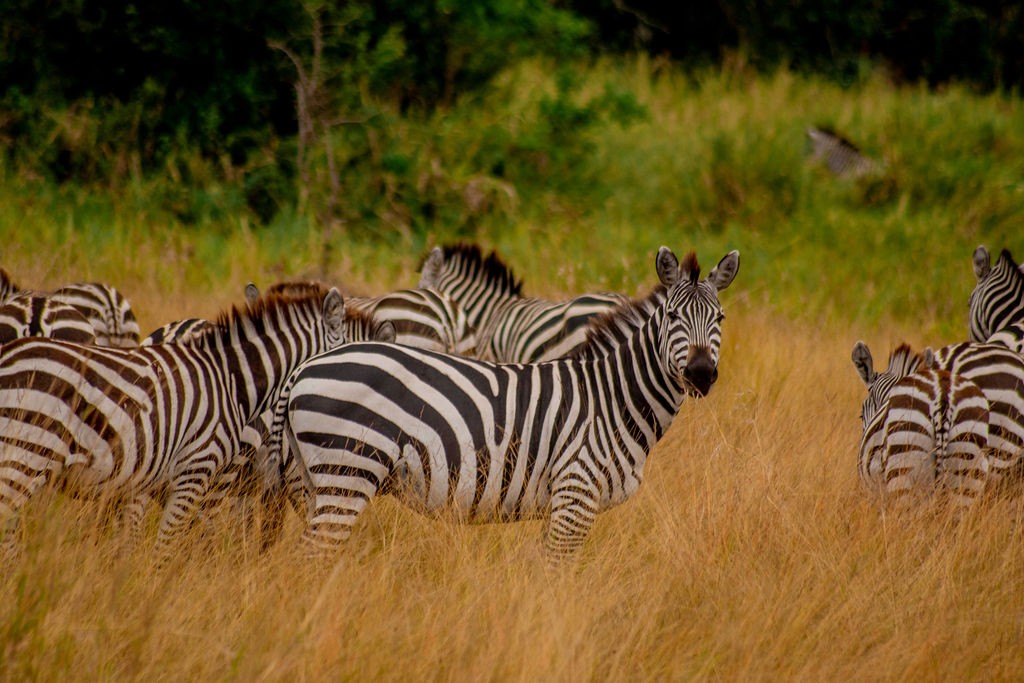
But convenience alone does not explain the popularity. What makes this combo genuinely special is the contrast. Kilimanjaro is vertical, physically punishing, mentally intense, and visually dramatic, with ice fields, volcanic craters, and the curvature of the earth visible from Uhuru Peak. Safari is horizontal, relaxed, and sensory in a completely different register. Golden grasslands, the rumble of a lion pride at dawn, the shock of a cheetah at full speed, the absurd grace of a giraffe bending to drink. The combination creates a trip narrative that builds from achievement to wonder, and travelers who do both consistently describe the result as the best trip of their lives.
This guide helps you plan a 2026 Kilimanjaro trek and Tanzania safari: itinerary options, costs, sequencing, operator selection, and overlooked practical details.
Why Does This Combo Work So Well Logistically?
The logistics are simpler than most travelers expect. Kilimanjaro's primary gate towns, Moshi and Arusha, are the same cities where northern circuit Tanzania safari tours begin. Kilimanjaro International Airport (JRO) serves both the mountain and the safari starting point. After descending from your trek, you rest one night in a hotel in Moshi or Arusha. The next morning, your safari guide picks you up from the same hotel and drives you to Tarangire or Lake Manyara. There are no domestic flights required between the two experiences for the northern circuit, no complex connections, and no wasted travel days.
For travelers, adding Zanzibar is easy: a 75-minute flight from Arusha connects directly to Zanzibar Airport, with several daily departures. From the Serengeti, charter flights to Kilimanjaro Airport or directly to Zanzibar take 90 minutes. The entire three-part itinerary, Kilimanjaro plus safari plus Zanzibar, is connected by established, reliable transport links that your operator manages as part of the package.
The Best Itinerary Structures for 2026
10-Day Classic: Trek Plus Safari (Most Popular)
Days 1 to 7: Kilimanjaro via Machame Route (7 days). Day 8: Rest day in Arusha with a hotel, hot shower, and restaurant meal. Days 9 to 11: Safari through Tarangire and Ngorongoro Crater. This is the most popular combo format because it covers the two marquee experiences in a manageable timeframe. The 7-day Machame offers an excellent balance of acclimatization time and scenic variety, and the 3-day safari covers the two most impressive northern circuit parks.
14-Day Ultimate: Trek Plus Safari Plus Zanzibar
Days 1 to 8: Kilimanjaro via Lemosho Route (8 days, highest success rate). Day 9: Rest day in Arusha. Days 10 to 13: Safari through Tarangire, Ngorongoro, and Serengeti (4 days). Day 14: Fly to Zanzibar for a 3 to 5-night beach extension. This is the definitive Tanzania trip. The 8-day Lemosho route offers the best acclimatization profile and the most varied scenery of any Kilimanjaro route. The 4-day safari includes the Serengeti, the crown jewel. Zanzibar provides the beach recovery that makes the entire trip feel complete.
7-Day Express: Short Trek Plus Short Safari
Days 1 to 5: Kilimanjaro via Marangu Route (5 days) or Rongai Route (6 days). Day 6: Rest day. Day 7 to 8: 2-day safari covering Tarangire and Ngorongoro. This format works for travelers with limited time but requires good fitness and altitude tolerance because shorter routes provide less acclimatization time. Summit success rates on 5-day routes are lower, typically 60 to 70% versus 90%+ on 7 to 8 day routes.
18-Day Grand Tour: Everything Tanzania Offers
Days 1 to 8: Lemosho Route. Day 9: Rest. Days 10 to 16: Full 7-day northern circuit safari (Tarangire, Ngorongoro, Serengeti with multiple days, Lake Manyara). Days 17 to 21: Zanzibar beach extension. This itinerary is for travelers who have the time and budget to experience Tanzania comprehensively. It is the trip that operators dream of planning because every component gets the time it deserves.
Should You Trek or Safari First?
Trek first, safari second (strongly recommended): This sequencing works for three reasons. First, you want to arrive at Kilimanjaro physically fresh, rather than after several days of early-morning safari wake-ups and long drives. Second, the mountain is the physically demanding component, and completing it first means the safari feels like a reward rather than a prelude to suffering. Third, if Kilimanjaro affects your health due to altitude sickness or exhaustion, you can adjust the safari timing without losing the park fee money.
Safari first, trek second: This works if you are arriving from a long international flight and want to acclimate to Tanzania gradually. Safari mornings start early but involve sitting in a comfortable vehicle rather than hiking uphill. The downside is that accumulated fatigue from safari days can blunt your energy on the mountain. Most experienced operators recommend against this sequence.
Realistic Cost Breakdown for 2026
Kilimanjaro component (7-day Machame, mid-range): $2,200-$3,000 per person. Includes all park fees, certified guides, porters (typically 5 to 8 per climber), camping equipment, all meals and water, emergency oxygen, pulse oximeter, and Arusha transfers.
Safari component (3-day Tarangire and Ngorongoro, mid-range): $1,200-$2,000 per person. Includes park entry fees, vehicle with pop-up roof, professional guide, lodge accommodation with ensuite, all meals, and drinking water.
Rest-day hotel in Arusha: $50-$150 per night. Quality mid-range hotels with hot water, a restaurant, and a pool.
Tips for Kilimanjaro crew: $200-$350. Lead guide: $20 per day; assistant guides: $15 per day; porters: $5 to $8 per day each.
Tips for safari guide: $20 to $30 per day.
Zanzibar extension (if included): $500-$1,200 per person, including flights, accommodation, and activities.
Total 10-day combo (mid-range): $3,800 to $5,500 per person, excluding international flights.
Total 14-day ultimate (mid-range): $4,800 to $7,000 per person, excluding international flights.
Why Operator Selection Matters More for Combo Trips
The most common mistake in combo trip planning is booking the Kilimanjaro trek and the safari through different operators. When two separate companies manage your trip, the transition between mountain and safari becomes your responsibility. If your Kilimanjaro descent is delayed by weather or health issues, your safari operator has no flexibility to adjust because they did not book the mountain component. You lose a safari day and the associated park fees.
The solution is to choose an operator that manages both trekking and safari in-house. When one team handles your entire Tanzania experience, transitions are seamless, communication is direct, and any adjustments happen instantly. KiliDestination Adventures operates its own mountain crews and safari vehicles, making it particularly well-suited for combo trips. Kelvin personally coordinates the handoff between your mountain team and your safari guide, and because both teams report to the same company, schedule adjustments are immediate.
Why Choose KiliDestination for Your Combo Trip
Based on competitive research and analysis of the top Kilimanjaro and safari operators in Tanzania, KiliDestination offers several specific advantages for combo trip planning:
98% summit success rate across all Kilimanjaro routes, verified through 77+ TripAdvisor reviews with a consistent 5-star rating. This matters because a failed summit attempt means your post-trek safari starts with disappointment rather than elation.
Founder-operated: Kelvin Donald, a former porter and guide, personally oversees logistics and maintains daily radio communication with mountain crews. He meets climbers after their descent and coordinates the safari handoff directly.
In-house safari fleet: KiliDestination owns and maintains its own safari vehicles and employs its own safari guides. Your combo trip is managed end-to-end by one company with no subcontracting.
Nonprofit model: 10% of trip profits fund the KiliDestination Education Fund for porter schooling. Your combo trip directly supports the career advancement of the crew who carry your gear.
All-inclusive pricing: No hidden fees across either the trek or safari component. Park fees, meals, equipment, guides, and transfers are included in every quote. Ready to plan your adventure? Contact us today to reserve your 2026 combo trip and let our team guide you every step of the way.
Best Months for a Combo Trip
January to March: Excellent Kilimanjaro trekking weather. Serengeti calving season in the southern plains with peak predator action. Shoulder season pricing. This is arguably the best overall combo window.
June to October: Peak dry season for both Kilimanjaro and safari. Best wildlife visibility in parks. Highest prices and most visitors. July and August are the busiest.
September to October: Sweet spot. Excellent conditions for both activities. Prices begin dropping from the August peak. Northern Serengeti river crossings continue. Fewer crowds than in July and August.
Frequently Asked Questions
Can I really do Kilimanjaro and a safari in one trip?
Absolutely. Tanzania is uniquely suited for this combination because Kilimanjaro's gate towns are the same starting point for northern circuit safaris. A 10-day trip comfortably covers both experiences.
How much does a combo trip cost in 2026?
A mid-range 10-day combo costs $3,800 to $5,500 per person. A 14-day trip including Zanzibar runs $4,800 to $7,000. Budget options start around $2,800. Luxury combos exceed $8,000.
Do I need to be very fit?
You need to be fit enough for Kilimanjaro, meaning able to hike 6 to 8 hours daily for a week at altitude. The safari requires no fitness. Most travelers find the safari physically effortless after the mountain.
Which operator should I book for a combo trip?
Choose an operator who manages both trekking and safari in-house. Contact KiliDestination for a customized combo quote with one team handling everything.
What is the best route for a combo trip?
The 7-day Machame or 8-day Lemosho routes offer the best balance of success rate and time efficiency. Both leave adequate time for recovery before the safari. Compare all routes on the KiliDestination trekking page.
For more resources on combo trip planning, visit the KiliDestination blog.