From Volcanic Ridges to Glaciers: The Diverse Landscapes of Shira on Kilimanjaro
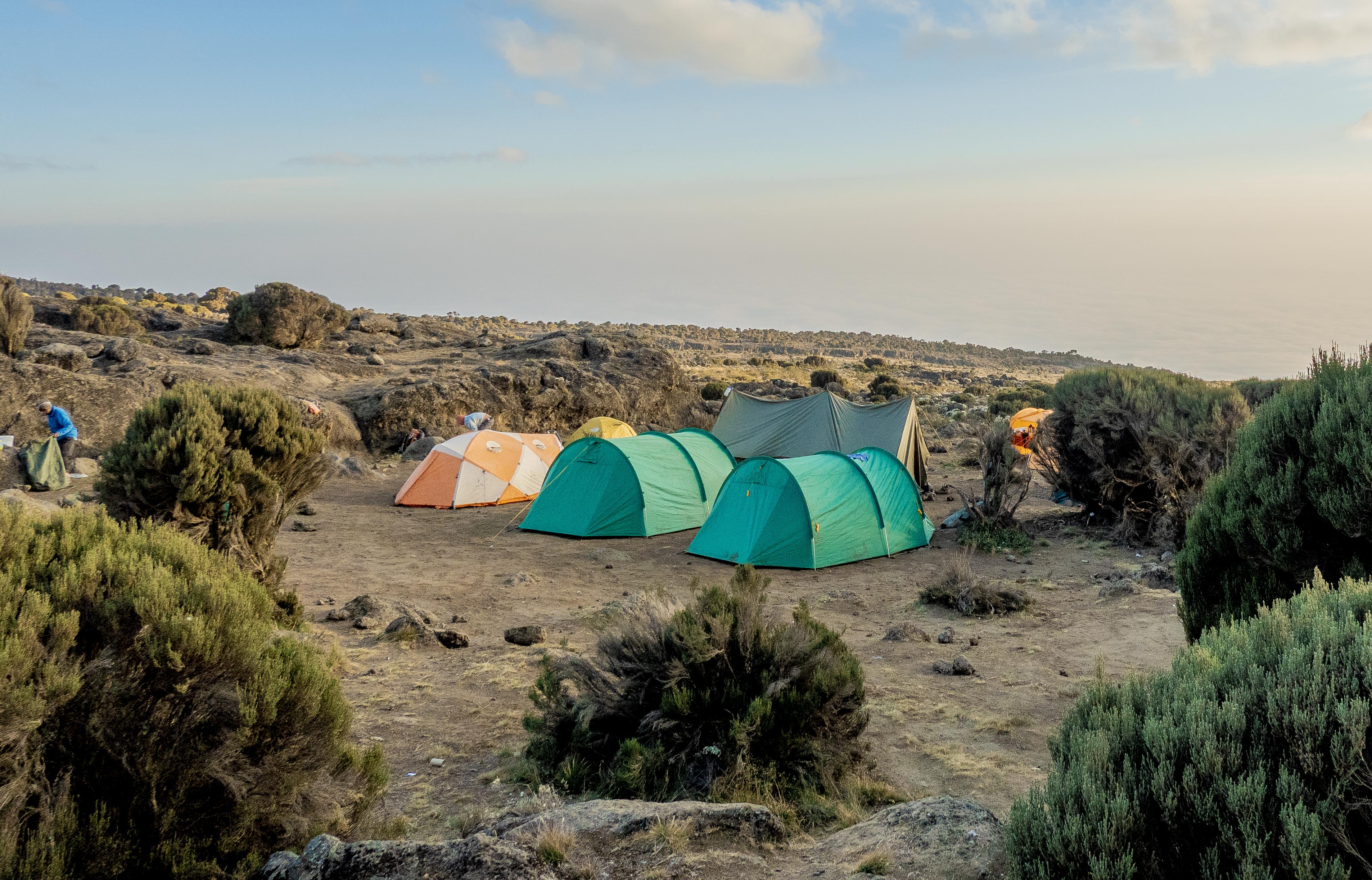
When most people climb Kilimanjaro, their main goal is reaching Uhuru Peak, which makes sense. However, if you ask guides who have crossed the mountain many times which part stands out, many will mention the Shira Plateau.
Shira isn’t the highest point or the summit. Instead, it’s one of the most unique and impressive places you can visit. It’s an ancient collapsed volcano and a windswept moorland almost 4,000 meters above sea level, with glaciers above and lava formations underfoot. Knowing what Shira is and what you’ll see there can change your whole experience of the climb.
The Shira Plateau: Earth’s Geology Written in Rock
Kilimanjaro isn’t just one mountain. It’s actually a volcanic massif made up of three cones: Kibo, which is the snow-capped summit; Mawenzi, the jagged peak to the east; and Shira, the oldest cone on the western side.
Shira was the first to erupt. Geologists think it started forming about 2.5 million years ago and may have grown taller than 5,000 meters. Around 500,000 years ago, the volcano stopped erupting, and its summit collapsed, leaving a huge crater. Today, you walk across what’s left of that crater, a plateau about 13 kilometers wide and 3,800 meters (12,470 feet) high.
Under your feet, the ground is made of old, solidified lava, volcanic ash, and rough basalt rock. The plateau covers about 6,200 hectares, and its highest point, Johnsell Point, is 3,962 meters high. These details help explain why the landscape here is so different from the rest of the mountain.
What You Actually See When You Walk Across the Plateau
Moving onto the Shira Plateau is one of the most dramatic changes you’ll see on any African trek. You leave behind thick rainforest and humid heather moorland, and suddenly the land opens up, the sky feels bigger, and you find yourself in a high altitude moorland tundra.
The Moorland That Feels Like Another Planet
Most of the plateau is covered by Afro-alpine heath and open moorland. The plants are few but remarkable. Giant groundsels (Dendrosenecio kilimanjari) grow in groups, with thick trunks and rosette tops that help them survive big temperature changes. At night, it can get well below freezing, even in the dry season, while daytime temperatures can reach 15 degrees Celsius in the sun.
Giant lobelias also grow across the moorland, with tall flower spikes and waxy leaves that stand out against the bare volcanic rock. These plants are found only on Kilimanjaro and a few other East African mountains. Nowhere else on Earth do they grow. When guides show them to first-time climbers, most people can’t believe such unusual plants grow wild here.
Lava Ridges and Volcanic Formations
The plateau isn’t flat. Ancient lava ridges and low rocky outcrops run across it, left behind by eruptions before Kibo became the main active cone. The Shira Ridge, on the western edge, is the best example of a long, dramatic cliff you cross if you come from the Lemosho trailhead.
Along the edges and under the surface, you can see basalt columns and lava domes where erosion has worn away softer rock. It takes some imagination to picture what this area looked like when the volcano was active, but the landforms make it worth trying.
The Shira Cathedral
One feature to look for on the Shira Route before you reach Shira 2 Camp is the Shira Cathedral. It’s a large rock formation surrounded by steep spires and pinnacles of old volcanic rock. As the name suggests, it looks more like something from a European city than the side of an African volcano.
The Cathedral shows that even at high altitude, Kilimanjaro’s geology creates amazing landforms you can see up close. Most guided trips include a visit to the Cathedral, and it’s one of those sights that photos just can’t do justice.
The Glaciers Above the Plateau, and Why They’re Disappearing
On clear days, you can see the ice fields on Kibo’s summit to the east and northeast from the plateau. Kilimanjaro’s glaciers have been recorded since the late 1800s, when European explorers first mapped the mountain. Back then, the glaciers covered about 12 square kilometers. Now, less than 1.5 square kilometers remain.
The glaciers are shrinking, though scientists still debate the exact reasons. Less rainfall, warmer temperatures at high altitude, and less cloud cover all seem to play a part. The Furtwangler Glacier, a small ice field in the summit crater, is breaking apart. The Southern Ice Field, which you can see from the plateau on clear days, has retreated significantly since the early 2000s.
For trekkers, this means the glaciers you see from the Shira Plateau are disappearing. Seeing them now is special, and knowing you’re witnessing a changing landscape adds something unique to your trek. Guides who have spent years on the mountain can show you how the ice has changed over time.
Wildlife and Flora That Survive Here
The plateau’s high altitude and dryness mean most animals can’t live here. Still, it’s not empty. Eland, one of Africa’s biggest antelopes, sometimes wanders up from lower areas. Even more rarely, elephants and buffalo have been seen at this height, well above most people's expectations. You probably won’t see them, but their tracks have been found.
Birds are more common here. The scarlet tufted malachite sunbird, one of East Africa’s most colorful birds, lives in the moorland at this height. White-necked ravens and Alpine chats are often seen near camps. If you’re hoping to see wildlife on Kilimanjaro, the plateau offers a quieter, more subtle experience that can be memorable in its own way.
Which Routes Cross the Shira Plateau?
Not all Kilimanjaro routes cross the Shira Plateau. Three do: the Lemosho Route, the Shira Route, and the Northern Circuit Route.
The Lemosho Route is the most recommended. It starts from the west at a lower elevation than the Shira Route, helping climbers acclimate to altitude before reaching the plateau. Lemosho is also less crowded than the Machame or Marangu routes, so you have more space to enjoy the scenery without feeling rushed.
The Shira Route is older than the Lemosho Route and starts at a higher altitude, so you miss out on some acclimatization. For most people, Lemosho is the better option. The Northern Circuit is the longest and least crowded route, crossing the north side of the plateau. It’s best for trekkers seeking a remote, scenic experience.
If spending time on the Shira Plateau is important to you, the 7-day Lemosho itinerary gives you the most time there and the best chance to acclimatize.
Plan Your Kilimanjaro Trek with KiliDestination
The Shira Plateau might not be the first thing you hear about, but it’s often what people remember most after their trip. Walking across Kilimanjaro’s oldest section, with its lava ridges, unusual plants, and glaciers above, is both a geography lesson and a unique experience that surprises many trekkers.
We’ve been guiding people on Kilimanjaro for years. Our team knows the plateau as well as most people know their own neighborhood. If you want to see it for yourself, check out our Kilimanjaro trek options or contact us to plan a custom trip.
Frequently Asked Questions
Q. How high is the Shira Plateau on Kilimanjaro?
The Shira Plateau sits at an average elevation of approximately 3,800 meters (12,470 feet). The highest remaining point of the old crater rim is Johnsell Point at 3,962 meters (12,999 feet).
Q. Can you camp on the Shira Plateau?
Yes. There are two designated camps on the plateau: Shira Camp (also called Shira 1) and Shira 2 Camp. Climbers on the Lemosho and Shira routes typically spend one or two nights here, depending on their itinerary.
Q. What is the best time of year to trek across the Shira Plateau?
The Kilimanjaro climbing seasons apply to the plateau as well. The dry seasons, January to March and June to October, generally offer clearer skies and better visibility from the plateau. During the wet seasons, April to May and November, cloud cover and precipitation can limit the dramatic views the plateau is known for.