Marangu Route Kilimanjaro: The Classic Coca-Cola Route & Why It's Still the Most Loved Climb in Tanzania
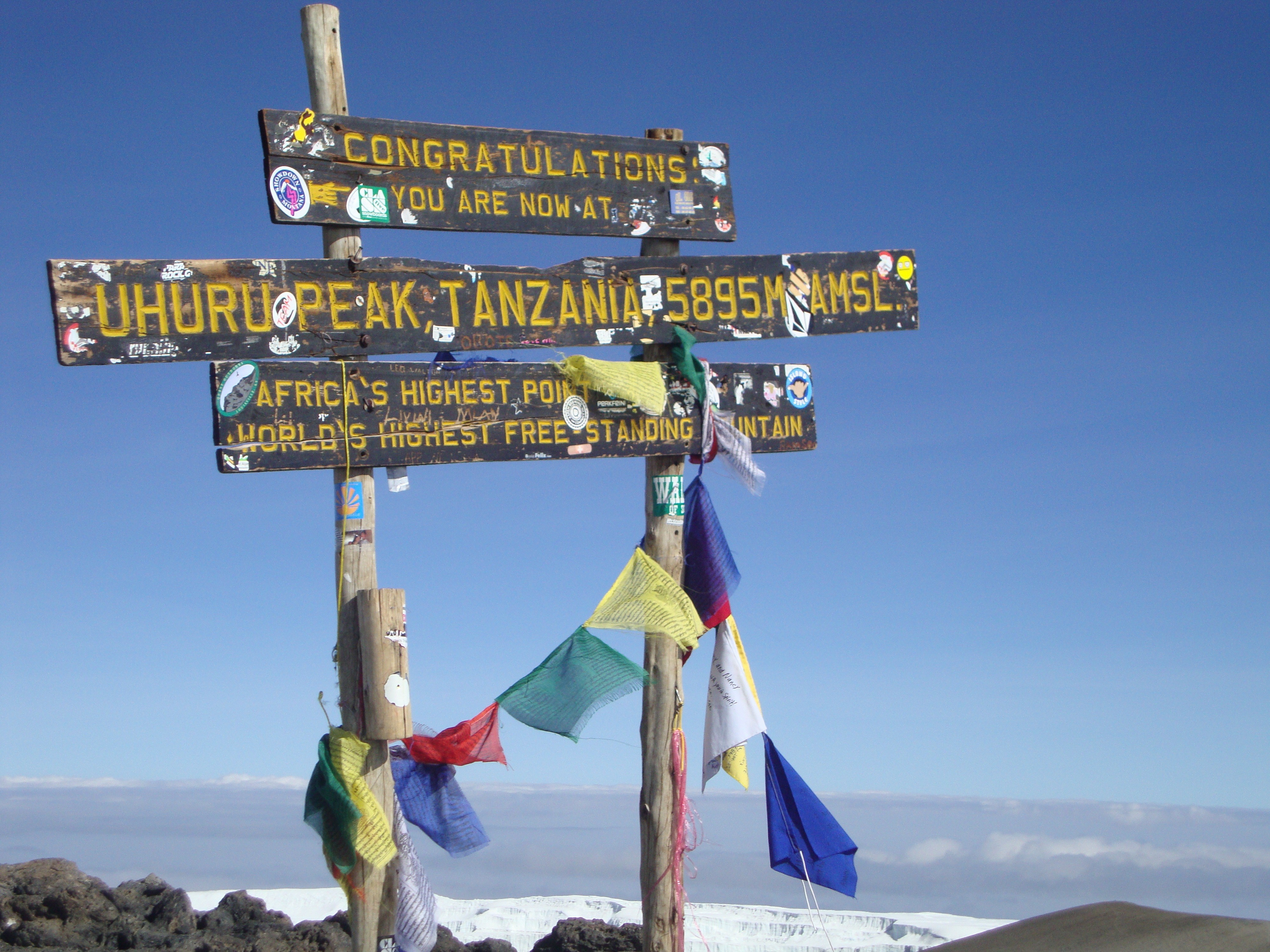
There’s something comforting about a trail that’s been walked by grandfathers, honeymooners, gap-year backpackers, and seasoned mountaineers, all for the same reason. They wanted to stand on the Roof of Africa. The Marangu Route has been making that dream possible for over a century.
When most people think of "Kilimanjaro", they picture the Machame or Lemosho routes, thanks to social media. But if you ask a local guide in Moshi, they’ll say Marangu is the original route, where it all began. For some travelers, it’s still the best choice.
Here’s why Marangu stands out.
What Exactly Is the Marangu Route Kilimanjaro (and Why the Funny Nickname)?
The Marangu Route is the oldest and most established route up Mount Kilimanjaro. It approaches the summit from the southeast, starting at the Marangu Gate (1,860m) and winding its way up through rainforest, heath, alpine desert, and eventually the glacial summit at Uhuru Peak (5,895m).
Now, about that nickname: The Coca-Cola Route. Years ago, porters sold cold bottles of Coca-Cola at the huts along the trail, and the name stuck. In contrast, the longer and tougher Machame trail became known as the "Whiskey Route" because it’s more challenging. These playful names reflect the reality that Marangu is the friendlier, more sociable, and more accessible of the two classic climbs.
Why Choose the Coca-Cola Route Over Other Trails?
There are several good reasons.
Marangu is the only route on the mountain with huts. All other Kilimanjaro trails require sleeping in tents, but on Marangu, you stay in wooden A-frame dormitory huts at Mandara, Horombo, and Kibo. These huts offer real mattresses, dining halls, and flushing toilets at Mandara and Horombo. If you have back or knee issues, or just prefer not to sleep in a tent in cold winds, this makes a big difference. That’s why hut trekking on Kilimanjaro is especially popular with first-timers, older trekkers, and families with teenagers.
It’s the shortest standard route, taking five or six days round-trip compared to seven to nine days for most others. If you only have a week off work, Marangu fits your schedule.
It’s often more affordable. Spending fewer days on the mountain means lower park fees, which is important because these fees account for most of the cost of a Kilimanjaro climb.
There is less rain on this side of the mountain. The southeastern approach is in a drier rain shadow, so the first days are usually less wet than those on the Machame route.
Let's Talk Honestly About the Marangu Route Success Rate
Many operators avoid this topic, but we believe in being open.
Historically, the Marangu route has had a lower success rate than other routes, often around 40-50% for the standard 5-day climb. This sounds concerning, but there’s a reason for it.
The reason is simple: five days is not enough time to acclimatize properly. You climb almost 4,000 meters in four days, so your body has little time to adjust. Altitude sickness can affect anyone, regardless of fitness, because it depends on how quickly you gain height.
The solution is just as simple: add an extra day. Choose the 6-day Marangu itinerary, which includes an acclimatization day at Horombo Hut (3,720m). Success rates then rise to about 75-85%, similar to the longer Machame and Lemosho routes. At KiliDestination, we usually recommend the 6-day version. One day of vacation is not worth the risk of missing Uhuru Peak, especially after traveling so far.
A Day-by-Day Feel for the Trail
Day 1: Marangu Gate to Mandara Hut (2,700m). This is a gentle 3-4 hour walk through lush rainforest. You may see blue monkeys and colobus monkeys in the trees. It’s an easy day that helps you save energy.
Day 2: Mandara to Horombo Hut (3,720m). You leave the forest and enter moorland filled with giant lobelias and senecios, which look almost otherworldly. This is a longer day, taking about 6 hours.
Day 3 (for the 6-day itinerary): Acclimatization day at Horombo. Take a short walk to Zebra Rocks or Mawenzi Ridge, then rest and drink plenty of water. This day greatly increases your chance of reaching the summit.
Day 4: Horombo to Kibo Hut (4,700m). You cross the Saddle, a high alpine desert between Kibo and Mawenzi peaks. The landscape is stark and windswept. You’ll have an early dinner and go to bed by 7 pm.
Day 5: Summit night. You wake at 11 pm and climb in the dark up scree slopes to Gilman's Point (5,681m) for sunrise, then continue along the crater rim to Uhuru Peak. After reaching the summit, you descend all the way back to Horombo. It’s a tough but unforgettable day.
Day 6: Descend to the gate.
Mount Kilimanjaro Packing List: The Stuff That Actually Matters
Every operator provides a gear list. Here is a focused version: your essential Kilimanjaro packing list, highlighting what truly matters for summit night.
Layering system (essential): moisture-wicking base layers, a fleece mid-layer, an insulated down jacket, and a waterproof and windproof shell. Avoid cotton, as it is not suitable for these conditions.
Legs: hiking trousers, thermal leggings for summit night, waterproof over trousers.
Feet: well-worn waterproof hiking boots (avoid new boots, as they can cause discomfort), 4-5 pairs of wool or synthetic hiking socks, and gaiters.
Hands and head: thin liner gloves plus thick insulated mitts, warm beanie, sun hat, buff/neck gaiter, quality sunglasses (UV gets vicious at altitude).
Sleeping: a proper -10°C rated sleeping bag (even though you're in huts, they aren't heated).
Small items that make a big difference: a headtorch with fresh batteries, trekking poles, a 3-liter hydration bladder, lip balm with SPF, sunscreen, blister plasters, Diamox (if approved by your doctor), and a wide-mouth water bottle for summit night, since hydration bladders can freeze.
You do not need to buy all your gear new. KiliDestination can arrange high-quality gear rentals in Moshi at reasonable rates if you let us know in advance.
Planning a Tanzania Safari After Your Climb?
Here’s a tip: many people who travel to Tanzania for Kilimanjaro wish they had added a safari to their trip. Since you are already here, consider visiting the Serengeti, Ngorongoro Crater, and Tarangire, all within a few hours of Moshi. After your climb, your legs will appreciate the rest.
A popular option is a 6-day Marangu climb followed by a 4-day northern circuit Tanzania safari. Visit Tarangire for elephants, Ngorongoro for the Big Five, and the Serengeti for its vast plains and, depending on the season, the Great Migration. Budget about $1,400 for the safari, and you’ll have an unforgettable two-week trip.
Book Your Marangu Adventure with KiliDestination
We have guided climbers and safari travelers across Tanzania for years and are proud to be locally owned and based in Arusha. Our head guides are KPAP-certified, our porters are paid fairly, and our summit success rate on the 6-day Marangu route is consistently above the national average.
Whether you want a Kilimanjaro trek, a safari-only trip, or a complete Tanzania vacation package that includes the mountain, Serengeti, Ngorongoro, and even a few days relaxing on a Zanzibar beach, we will design it for you. We offer personalized itineraries, no pressure, and honest advice from guides who have climbed this mountain many times and still feel excited at the summit.
Contact us to start planning your adventure.
FAQs About the Marangu Route
Q: Is the Marangu Route suitable for beginners?
Yes, but with the 6-day itinerary, not the 5-day version. You don't need technical climbing skills or mountaineering experience, just reasonable cardio fitness, patience, and mental resilience. If you can comfortably hike 6-7 hours over hilly terrain at home, you can do the Marangu route.
Q: How cold does it actually get on summit night?
Temperatures at Uhuru Peak regularly drop to -15°C to -20°C, even in the "warm" season, with wind chill. This is why layering and a properly insulated jacket aren't optional; they're survival gear. The good news, you're only at the summit for 30-45 minutes before descending into warmer air.
Q: When is the best time to climb the Marangu Route?
The two dry seasons, January to mid-March, and June to October, offer the clearest weather and best summit conditions. January-February tends to be slightly warmer and less crowded than the July-September peak. Avoid April and November if you can; those are the long and short rainy seasons, respectively.