Wilder Than Your Dreams: Your Guide to Serengeti Safaris
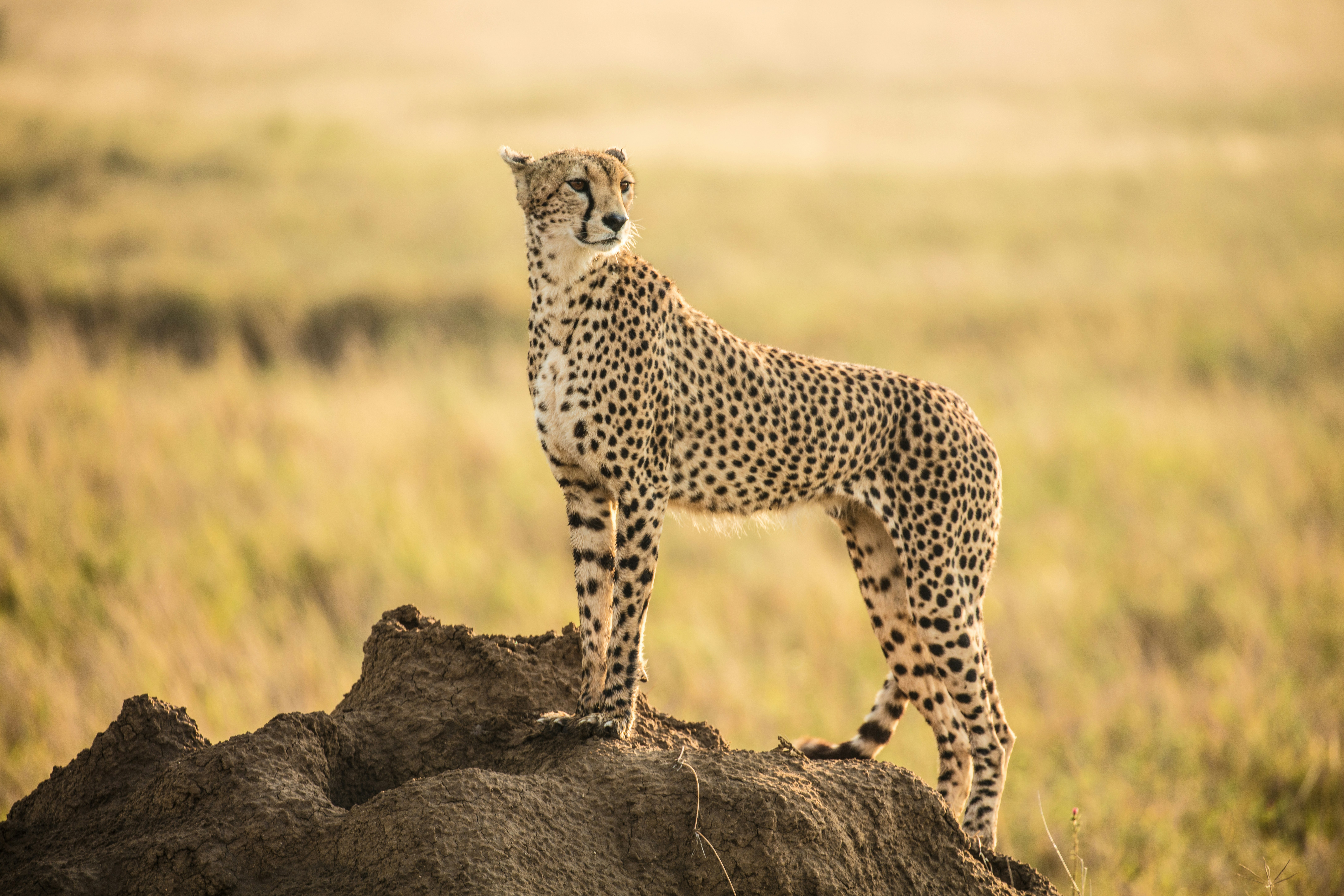
Picture a horizon so wide it seems to curve with the earth. There are no fences or tall buildings here, just the sound of wind in golden grass and the rumble of countless hooves. This is the Serengeti. The Maasai call it Siringet, meaning the land that goes on forever.
If you’ve been dreaming of a trip to Tanzania, you’ve likely seen the photos. But the experience is changing. It’s no longer just about checking animals off a list from the back of a truck; it’s about a deeper, more conscious connection to one of the last wild places on Earth. Whether it’s your first Tanzania vacation or your fifth, the Serengeti makes you feel like you’re seeing the world for the first time.
Why Serengeti Safaris Are the Soul of the Continent
Serengeti safaris remain the gold standard of travel because of the sheer scale. Spanning nearly 15,000 square kilometres, the park is home to the highest concentration of large mammals on the planet.
What makes Serengeti safaris special is the move toward ‘Slow Safari’ travel. We’re seeing a shift away from the rush-and-see mentality. More travellers choose to stay in one region longer, letting the rhythm of the bush sink in.
Imagine waking up in a solar-powered eco-camp where the only sound is a yellow-vented bulbul chirping outside your tent. Many favourite camps have replaced noisy diesel generators with silent solar power setups. So when you sit by the campfire at night, you hear the heartbeat of the plains, the whoop of a spotted hyena or the sawing grunt of a leopard in the distance, not the sound of an engine.
Timing Your Serengeti Safaris: Following the Great Migration
If the Serengeti is the stage, the Great Migration is the world’s longest-running play. Over 1.5 million wildebeest, accompanied by half a million zebras and gazelles, circle the ecosystem in a never-ending quest for fresh grass and water.
To get the most out of your Serengeti safaris, timing is everything. Here’s what the migration cycle looks like:
January to March (The Calving Season): The herds gather in the southern Serengeti and Ndutu plains. In February alone, roughly 8,000 wildebeest calves are born every single day. It’s a time of incredible vulnerability and intense predator action. If you want to see lions and cheetahs in high-stakes hunts, this is your window.
April to June (The Long March): As the rains end, the herds start moving north and west. This is the green season. The dust has settled, the air is clear for photography, and the plains are a vibrant emerald. It’s also quieter, ideal for those seeking solitude.
July to October (The River Crossings): This is the high-drama season. The herds reach the Mara and Grumeti Rivers. Watching thousands of animals plunge into crocodile-infested waters is a sight that stays with you. Book these northern routes early, as they remain the most popular part of any trip to Tanzania.
November to December (The Return): The short rains trigger the herds to head south again, replenishing the central and eastern plains.
Experience More: The Modern Tanzania Vacation
We all want to see the Big Five - Lion, Leopard, Elephant, Buffalo, and Rhino, and the Serengeti is one of the few places where you can see them all in a single day. But a modern Tanzania vacation offers more.
Technology and tradition are meeting in fascinating ways. Many guides now use non-intrusive wildlife tracking apps and satellite data to find the herds while avoiding the traffic jams of the past. This ensures your experience remains private and respectful to the animals.
You might also find yourself taking a hot air balloon safari at dawn, drifting over the Seronera Valley as the sun paints the plains in hues of pink and orange. Or you’ll join a walking safari led by a Maasai guide who can show you how to read the morning newspaper written in the tracks and droppings on the trail. These small details turn a good trip into a life-changing one.
Pro Tips for Your Serengeti Safaris
If you’re planning your trip to Tanzania, here is some advice on what to bring:
Layering: The Serengeti is high-altitude plateau land. It can be chilly at 6:00 AM and hot by noon. A light fleece and a windbreaker are essential.
A Good Pair of Binoculars: Don’t rely on your guide’s pair. Having your own means you can spend as long as you want watching a dung beetle or a distant lilac-breasted roller.
Dust-Proof Gear: The Serengeti is dusty. Bring a scarf or buff to cover your face during drives and a dry bag for your camera equipment.
A Sense of Wonder: Leave the to-do list at home. The Serengeti doesn’t follow a schedule. Sometimes the best moments happen when you’re sitting still, watching a family of warthogs trotting past.
Why Book Your Serengeti Adventure with KiliDestination?
At KiliDestination, we don’t just sell tours; we share our home. We’ve spent years exploring every corner of these endless plains and know where to find the magic. Whether you want to stay in a luxury lodge with a private plunge pool or an authentic tented camp that moves with the migration, we handle every detail so you don’t have to.
We understand that a Tanzania vacation is a big investment of time and heart. That’s why we focus on high-quality vehicles, expert local guides who speak your language, and itineraries flexible enough to follow the wildlife.
Our Tanzania vacation packages are designed to be seamless. From the moment you land at Kilimanjaro International Airport to your final sunset over the savannah, we are with you every step of the way. We can pair your Serengeti adventure with a climb up the Roof of Africa or a week on the white sands of Zanzibar. Whatever your travel goals, we’re here to make them happen.
The plains are calling. Are you ready to answer? Reach out to KiliDestination and let’s get you on the trail!
Frequently Asked Questions
Is it safe to go on Serengeti safaris?
Yes, absolutely. The Serengeti is one of the most well-managed national parks in the world. Our guides are highly trained in wildlife behaviour and safety protocols. As long as you follow the park rules and stay inside the vehicle unless your guide says otherwise, you are very safe.
Can I see the Great Migration year-round?
Yes! The migration is a circular journey that never stops. While river crossings occur only at certain times, the massive herds are always somewhere in the Serengeti-Mara ecosystem. We just adjust our camp locations to make sure you’re in the middle of the action.
Do I need a visa for my trip to Tanzania?
Most international travellers do need a visa. We highly recommend using the official Tanzania e-Visa portal at least three weeks before your trip. It saves you a lot of time at the airport and ensures a smooth entry into the country.