7-Day Lemosho Route Itinerary: Day-by-Day Guide
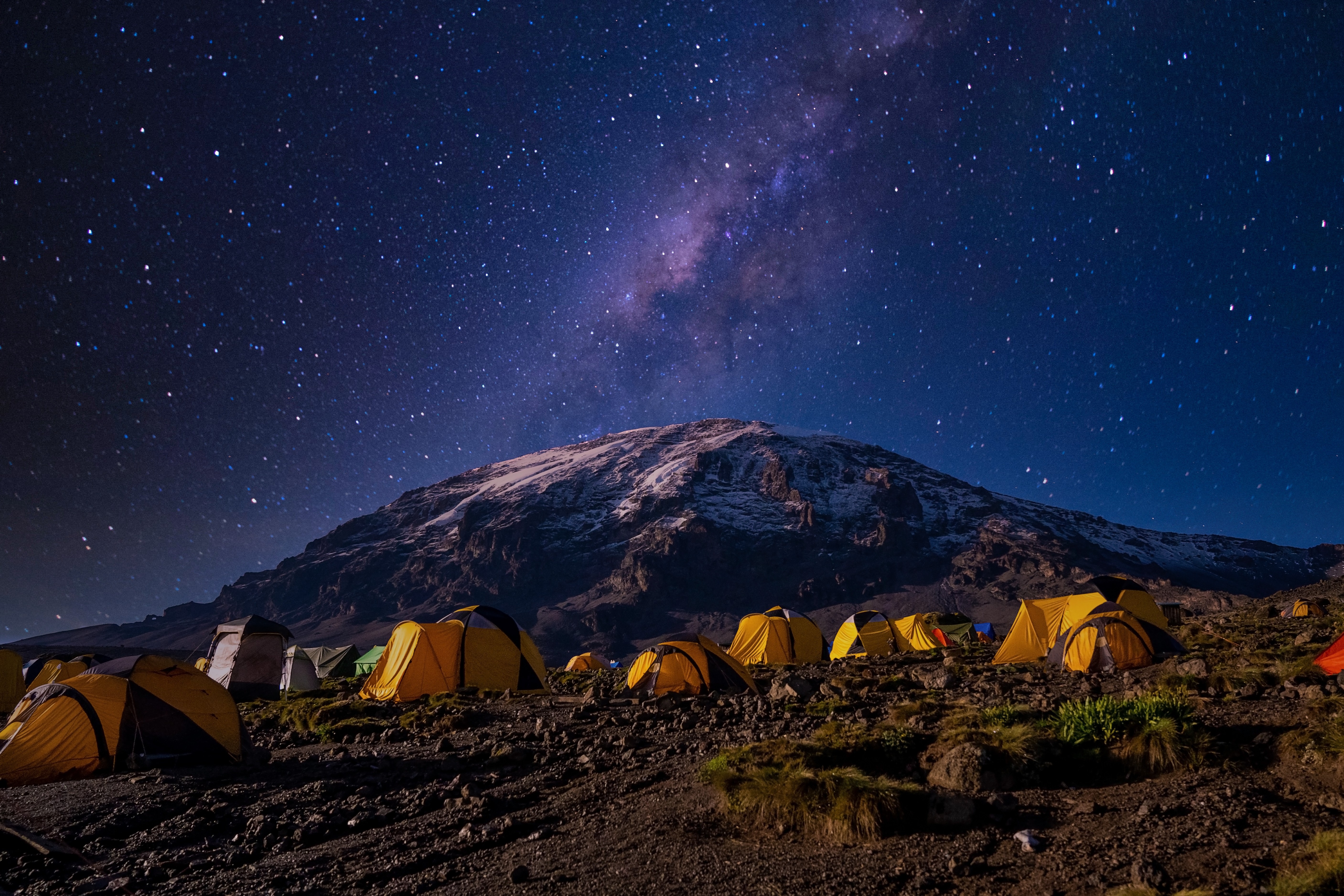
Thinking about climbing Kilimanjaro? If you’re looking into different routes, you’ve probably heard of the Lemosho Route, which is a favorite among experienced climbers. Here’s why this seven-day trip could be the perfect Tanzania adventure for your bucket list.
Why the Lemosho Route Should Be on Your Kilimanjaro Trekking Radar
Imagine standing on the western slopes of Africa’s tallest mountain, surrounded by wilderness that most tourists miss. While other routes can get crowded during peak season, the Lemosho Route gives you quiet forests and wide plateaus, with a success rate of about 80-85% for the seven-day trek.
The Lemosho Route stands out because it lets your body adjust slowly to the higher altitude. Over about 70 kilometers, you’ll pass through four different ecological zones as you climb.
Day-by-Day Breakdown of Your Kilimanjaro Trek
Day 1: Londorossi Gate to Big Tree Camp (Mti Mkubwa)
Your adventure kicks off with a scenic drive from Moshi to Londorossi Gate on Kilimanjaro's western flank. After the usual permit paperwork (bring a book!), you'll start hiking through the montane rainforest. The air is thick, humid, and alive with bird calls.
This first stretch covers about 6 kilometres, taking you from 7,800 feet to around 9,500 feet. It's a gentle introduction, think of it as your body's "hello" to the mountain. The trail can get muddy, so those waterproof boots you packed? Yeah, you'll need them. Buffalo and elephants roam these forests, which is why you might spot an armed ranger joining your crew.
By late afternoon, you’ll arrive at Big Tree Camp, set among old trees where colobus monkeys swing above. It’s a memorable way to end your first day.
Day 2: Big Tree Camp to Shira 1 Camp
On day two, the scenery changes quickly. The trail climbs about 2,000 feet as you leave the rainforest and enter moorland with heather and volcanic rocks covered in lichen. You’ll cross rolling hills and streams before reaching Shira 1 Camp at 11,500 feet, where you’ll see your first view of Kibo’s snow-capped summit.
Day 3: Shira 1 to Shira 2 to Moir Hut
This day is for exploring the Shira Plateau, one of the highest plateaus in the world. The morning walk to Shira 2 is easy, taking you through moorland meadows that seem almost unreal. After that, you’ll continue to Moir Hut at 13,800 feet, a quiet place at the base of the Lent Hills.
Camping at Moir Hut is great for acclimatization. Your guide may take you on short hikes in the nearby hills to help your body adjust to the altitude. This careful planning is what makes quality Tanzania travel packages stand out from quick, budget climbs. You’ll appreciate it later when you’re feeling strong and others are struggling.
Day 4: Moir Hut to Lava Tower to Barranco Camp
This day follows the 'climb high, sleep low' approach. You’ll go up to the Lava Tower at 15,190 feet, then head down to Barranco Camp at 13,000 feet. Barranco Camp is one of the most scenic spots on Kilimanjaro, with the Great Barranco Wall ahead and giant groundsels across the landscape.
Gaining altitude and then descending is important training for your body before summit night. You might get a headache at Lava Tower, which is normal.
Day 5: Barranco Camp to Karanga Camp
Morning brings the famous Barranco Wall. Don't let the name intimidate you—it's not technical climbing, but you'll use your hands scrambling up nature's staircase. The trail then winds through ridges and valleys before reaching Karanga Camp at 13,254 feet in the late afternoon. This strategic stop gives you crucial time at this altitude before the summit push.
Day 6: Karanga Camp to Barafu Camp
It’s a short but steady climb to Barafu Camp at 15,288 feet, which is your starting point for summit night. The half-day hike gives you time to rest, drink water, and get ready. Barafu means 'ice' in Swahili. The camp is stark, windy, and bare. After an early dinner, try to sleep before your midnight wake-up. The final climb is almost here
Day 7: Barafu Camp to Uhuru Peak to Mweka Camp
This is it. The day you'll remember forever.
Around midnight, you’ll start your summit attempt between the Rebmann and Ratzel glaciers. It’s cold and dark, and your headlamp lights up only a few feet of the rocky path ahead. This is the toughest part of your Kilimanjaro trek, both mentally and physically.
You’ll climb slowly in switchbacks toward Stella Point on the crater rim at 18,600 feet. Many climbers see the sunrise here, a moment so beautiful it nearly makes the hard work worth it.
From Stella Point, it’s about another hour, sometimes through snow, to reach Uhuru Peak at 19,341 feet. When you see the wooden sign marking Africa’s highest point, the feeling is overwhelming. You made it. You’re standing at the top of the continent.
But remember, you’re only halfway finished. After taking photos and celebrating, you’ll head down to Mweka Camp at 10,000 feet. It’s a tough 7 to 8-hour day, and your knees will feel it, but you’ll be able to breathe easily again.
Most tour companies include a final descent the next morning to Mweka Gate, where you can celebrate with a cold drink and receive your summit certificate.
Why Choose Kilidestination for Your Tanzania Vacation Packages
Climbing Kilimanjaro requires the right operator to make your investment count. When you book your Tanzania vacation packages with Kilidestination, you're getting a team that understands the mountain's rhythms and treats your safety seriously.
The seven-day Lemosho Route requires careful planning, including good acclimatization schedules, reliable equipment, healthy meals at altitude, and guides who can recognize altitude sickness early. Good companies also provide thorough pre-trek briefings, equipment checks, and guides trained in wilderness first aid.
Are you ready to make your dream a reality? Your Kilimanjaro adventure is waiting for you. Get in touch today.
Frequently Asked Questions
How fit do I need to be for the 7-day Lemosho Route?
You don’t have to be a professional athlete, but you should be able to hike 5-7 hours a day with a daypack. Start training at least 2-3 months before your climb by doing regular cardio, leg strengthening, and weekend hikes with elevation gain. The Lemosho Route’s gradual acclimatization helps, but being physically prepared is still important. If you can hike uphill for several hours without getting too tired, you’re ready.
What's the best time of year to climb Kilimanjaro via the Lemosho Route?
The best times to climb are January to mid-March and June to October. It has clearer skies and colder weather, while June to October is a bit warmer but busier. Avoid April-May and November, when it rains, and trails get muddy. You can climb Kilimanjaro year-round, but it depends on whether you mind hiking in rain and clouds.
Is the 7-day Lemosho Route better than the 8-day version?
The 8-day trip has a slightly higher success rate, about 90% compared to 80-85%, because it includes an extra day at Karanga Camp for acclimatization. Still, the 7-day version works well for most people with good fitness and some hiking experience. If you’re new to high altitude or want the best chance of success, choose the 8-day option. If you’re fit and short on time, the 7-day route is a good balance.