Tanzania vs South Africa Safari: Which One Should You Actually Book?
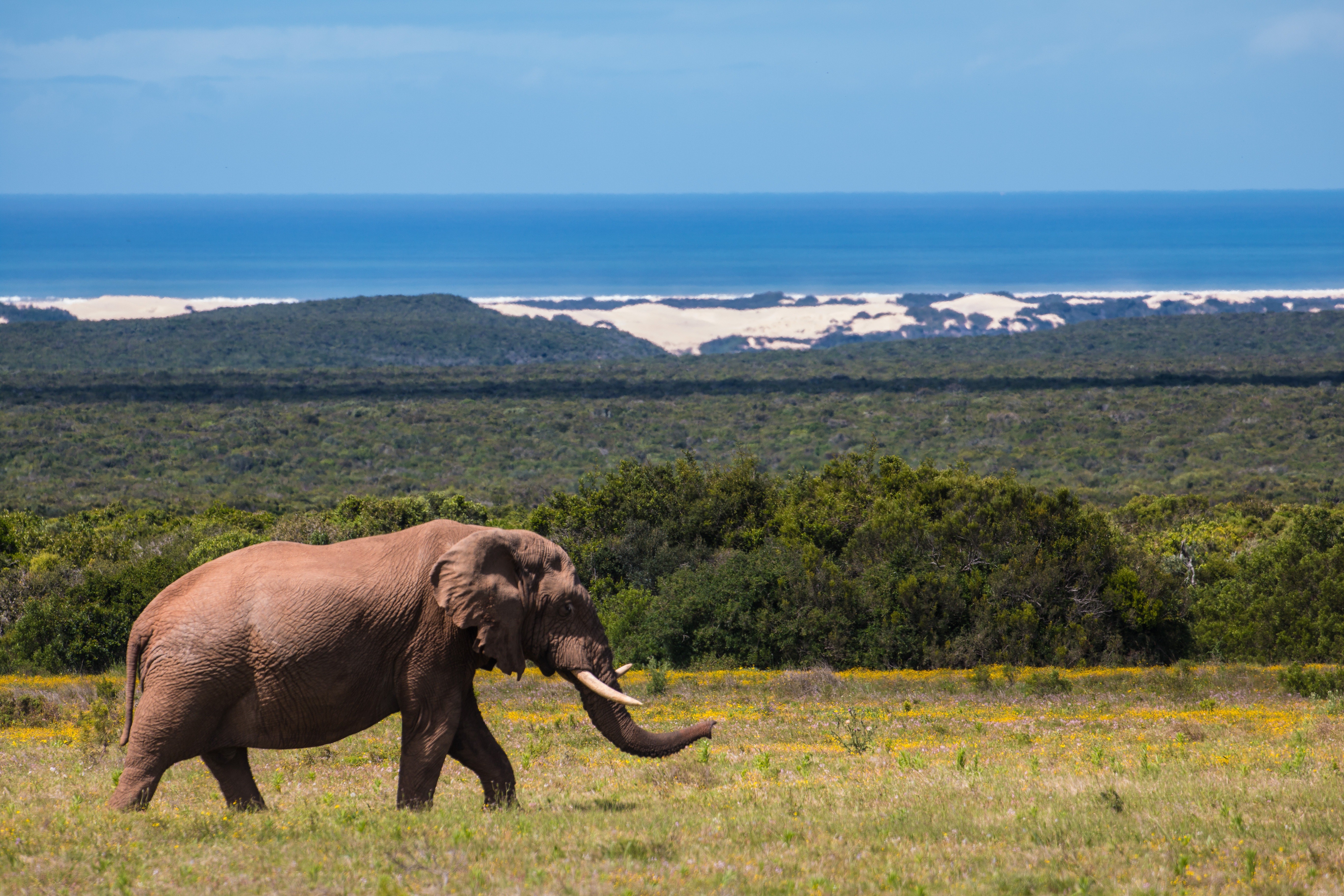
So, Africa is calling your name. You have the time and a budget in mind, and now you’re facing a great travel question: should you book a safari in Tanzania or South Africa? Which one is right for you?
Both destinations are amazing. Each will give you that unforgettable moment of seeing a lion up close. But the experiences are truly different, and picking the wrong one for your style could leave you wishing you’d chosen the other.
We’ve been guiding travelers through Tanzania’s parks for years. We admit we’re a bit biased, but our main goal is to help you have the best safari possible, wherever you choose. Here’s our honest comparison.
Tanzania vs South Africa Safari: Logistics and Ease of Getting There
Let’s begin with the practical details, since they often matter more than you might think.
South Africa is one of the easiest places in Africa to travel. Johannesburg's Tambo International Airport is a major hub with direct flights to cities such as London, New York, and Dubai. After you arrive, Kruger National Park, the main safari spot, is about a five-hour drive or a short domestic flight away. The roads are excellent, and self-drive safaris are a real option. You can rent a car at the airport and explore Kruger on your own. For first-time visitors who might find a fully guided trip overwhelming, South Africa’s infrastructure makes things much simpler.
Tanzania takes a bit more planning, but it’s easier than many people expect. You’ll fly into Kilimanjaro International Airport near Arusha or Julius Nyerere International Airport in Dar es Salaam. From Arusha, you can reach the main northern parks: Tarangire, Ngorongoro Crater, and the Serengeti. The roads are a mix of paved and dirt tracks, and some routes in the Serengeti can be tough after heavy rain. That’s why most people don’t self-drive here. Instead, you travel with a guide in a 4x4, and having a guide is a big part of the adventure.
Tanzania vs South Africa Safari: Wildlife and Experience
This is where things get interesting, and where Tanzania stands out for travelers who are serious about wildlife.
South Africa's Kruger National Park is 19,485 square kilometers of an extraordinary ecosystem. You will see the Big Five. Kruger has one of the healthiest populations of lions, leopards, elephants, buffalo, and rhinos in Africa. The private reserves bordering Kruger, Sabi Sands, Timbavati, and Klaserie offer off-road game drives and night drives that give you encounters you simply can't get inside a national park. South Africa also has the malaria-free Big Five option in reserves like Madikwe and Pilanesberg, which matters enormously for families traveling with children or people who can't take prophylactics.
Tanzania, though, offers wildlife on a different scale. The Serengeti is twice the size of Kruger. Ngorongoro Crater is often called a natural enclosure, formed by a collapsed volcanic caldera 20 kilometers wide, where lions, elephants, black rhinos, hippos, and flamingos live in high numbers. On a single morning in the crater, you can often see all of the Big Five before lunch.
Then there’s the Great Wildebeest Migration, which many consider the greatest wildlife event on Earth. Between 1.5 and 2 million wildebeest, along with hundreds of thousands of zebras and gazelles, move in a constant loop between the Serengeti and Kenya’s Masai Mara. The Mara River crossings from July to October, where crocodiles wait for the herds, are the kind of scenes you see in documentaries. You won’t find anything like this in South Africa.
Most of Tanzania’s parks are much less crowded than Kruger, especially outside the busy season. It’s much more likely here to go on a morning game drive and not see another vehicle, giving you a real sense of wilderness.
Best Month for Tanzania vs South Africa Safari
Choosing the right time to go makes all the difference.
For South Africa (Kruger), the dry winter months of June to September are the sweet spot. Vegetation thins out, animals concentrate around water, and game viewing is at its clearest. Temperatures are cool and manageable. Summer (November to February) is hotter, wetter, and the bush becomes thick, but this is also when calves are born, and birdlife is extraordinary.
For Tanzania, the dry season from late June to October is the most popular time to visit, and for good reason. The Mara River crossings happen from July to October, and animals gather in large numbers around waterholes. But the green season from January to March is also special; the southern Serengeti hosts the wildebeest calving season, one of the most dramatic wildlife events anywhere, and there are far fewer tourists. Prices are also lower. We’d pick a January Serengeti trip over an August Kruger almost any time.
Try to avoid April and May in Tanzania if you can, as the long rains can make some roads impassable. However, Ngorongoro and Tarangire are usually accessible all year.
Book Your Tanzania Vacation Packages with KiliDestination
If this comparison has you thinking about Tanzania, and we hope it does, the next question is who to book with.
KiliDestination is a locally owned, non-profit tour operator based in Arusha, Tanzania, with years of experience. Our guides grew up in these parks. They know where the cheetahs hunt in the eastern Serengeti in February, which side of Ngorongoro Crater the black rhino favors in the morning, and exactly when to position the vehicle at the Mara River to give you a front-row view of a crossing.
Every booking includes a personal itinerary, a local guide (not a contractor but someone who works with us year-round), and the assurance that your money stays in Tanzania, directly supporting guide training and community education programs in Arusha.
Contact us to start planning your Tanzania safari. We’ll send you a custom itinerary within 24 hours.
Frequently Asked Questions
Q: Is Tanzania or South Africa better for a first safari?
Both are great for first-time safari travelers, but for different reasons. South Africa is easier to manage, with excellent roads, self-drive options, and malaria-free reserves. Tanzania offers a wilder, more immersive experience with fewer crowds, and the Great Migration is unique to this region. If you’re open to traveling with a local guide, Tanzania gives you a first safari that’s hard to beat. For families with very young children or those who want total independence,
Q: Which is cheaper, a Tanzania or a South Africa safari?
While South Africa looks affordable at first glance, the experiences worth having are their private reserve game drives, night drives, and off-road access, all of which come as paid extras that stack up fast. The headline Kruger entry fee is just the beginning.
Tanzania bundles everything. Guide, vehicle, park fees, accommodation, one package, no surprises. Book directly with a local operator, and you're paying the ground cost, not an international platform's marked-up version.
Q: Can I do a Kilimanjaro trek and a Tanzania safari in the same trip?
Yes, this is one of our most popular trips. Usually, you spend 7 days on Kilimanjaro (Lemosho or Machame route), then 4–5 days on safari in the northern circuit (Tarangire, Ngorongoro, Serengeti), with an optional beach stay in Zanzibar. Most people find that doing the safari after the climb is ideal. Your body can rest in the vehicle while you enjoy the amazing wildlife.