Standing on the Roof of Africa: A Beginner’s Guide to Kilimanjaro trek
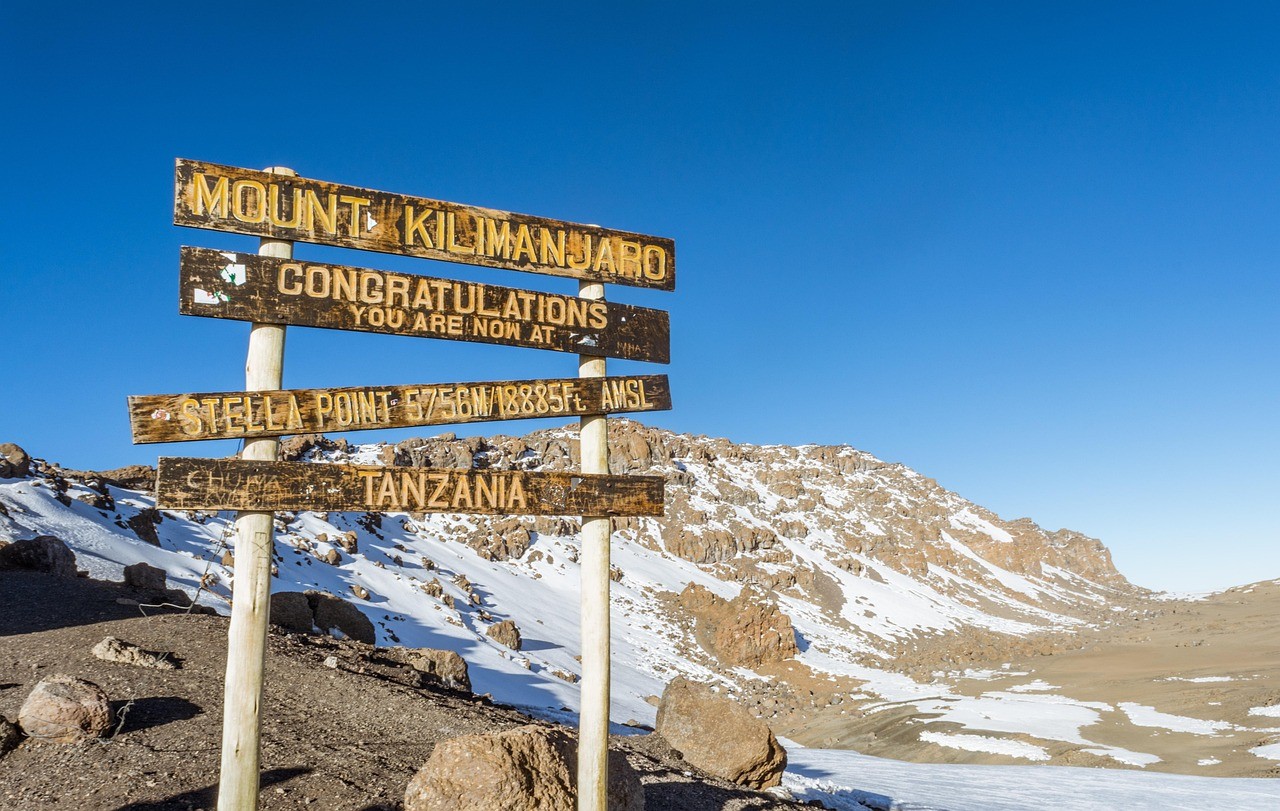
Let’s be honest; climbing Mount Kilimanjaro is a huge deal. It’s the Roof of Africa, standing at nearly 20,000 feet. If you are reading this, you probably have a hundred tabs open on your browser, trying to figure out if you can actually do this. Do you need to be a marathon runner? Is it freezing? How do you go to the bathroom up there?
Relax. We’ve got you. This article is going to strip away the fancy jargon and tell you exactly what you need to know before you book one of the many Kilimanjaro Tanzania tours out there.
First things first. It’s a hike, not a climb.
Put away the mental image of hanging off a cliff with a rope; you don’t need ice axes or technical skills. Kilimanjaro is a walk-up mountain. Basically, it’s a really, really long hike. However, the most impressive aspect is that, in less than a week, you walk through five completely different worlds. You start in a humid rainforest full of monkeys, walk through moon-like deserts, and end up in a freezing arctic zone with glaciers. It’s like walking from the Equator to the North Pole in five days.
Can you do it? The answer is yes. People from ages 10 to 80 have done it. You just need to be determined enough not to quit.
Picking the Easiest Kilimanjaro Route
There are several ways up the mountain. When looking at a Tanzania itinerary, you’ll see fancy names, but here is the simple breakdown of the main three:
The "Whiskey" or Machame Route
This is the popular kid in school. It’s beautiful, scenic, and social.
Why choose it? It has a great success rate because the trail goes up and down a lot, which helps your body acclimate to the altitude.
Time: 7 days is the sweet spot.
The "Scenic" or Lemosho Route
The beautiful, quieter option. You start further west and cross a massive plateau.
Why choose it? It usually takes 8 days. That extra day makes a huge difference in how you feel. This route gives you the best chance of reaching the top.
The "Hut" or Marangu Route
The only one where you sleep in A-frame huts instead of tents.
People call it the "Coca-Cola" route because they think it’s easy. It’s not. The trail is steep and fast. Because people try to rush it in 5 days, a lot of them don't make it to the top.
When Should You Go?
Kilimanjaro is climbable year-round, but let's be honest, nobody dreams of summiting Africa's highest peak while ankle-deep in mud. July to October delivers the best conditions, which are dry trails, clear skies, and picture-perfect summit photos. The downside? Everyone else knows this, too, so expect company. For a quieter experience with only slightly higher risk, aim for January or February. You'll enjoy warmer temps and stunning morning views, though you might catch some rain in the lower forests. As for April and May? Unless you're secretly an amphibian, hard pass. These months bring relentless rainfall that turns the mountain into one giant, exhausting mud pit.
How to Train
You don't need to be an Olympian, nor do you need to be a fitness fanatic, but showing up unprepared is asking for trouble. Rule number one: Break in those hiking boots NOW. Wear them to the grocery store, on dog walks, to your desk job, basically everywhere. Trust us, discovering your boots hate you at 15,000 feet is not the vibe. New boots on summit day equals lost toenails and deep regret.
For cardio, run, swim, or cycle a few times weekly to get your lungs ready for thin air. Then find some serious stairs, maybe a stadium, office building, hiking trail, and climb them repeatedly. Going up builds strength; going down saves your knees on the long descent.
But here's what they don't advertise, the real battle is mental, not physical. Summit night is cold, dark, and absolutely brutal. You'll be exhausted, every step will feel impossible, and your brain will scream at you to quit. The people who reach the top aren't always the strongest—they're just the ones who refuse to turn around. Decide now that you're not stopping, and you're already halfway there.
What to Buy vs. What to Rent for the Climb
Before you start panic-buying everything, let's strategize. Some gear is worth investing in; other stuff you'll use just once and then watch it collect dust in your store room. Here’s a tip - shop smart.
Buy:
Good Boots: Waterproof, broken-in, and comfortable enough to live in for a week. This is not the place to cut corners. Comfort for the feet comes first.
Socks: Merino wool is your best friend on the mountain. Cotton is your sworn enemy as it traps moisture, causes blisters, and will make you miserable.
Thermal Inners: Because shivering through freezing nights at high camp is nobody's idea of adventure.
Rent:
Sleeping Bag: You need one rated for -20°C, and quality ones cost a fortune. Since you're probably not planning Antarctic expeditions anytime soon, just rent from us.
Down Jacket: That massive puffy coat you see in all the summit photos? Essential for the final push and cold nights, but totally overkill for everyday life.
Trekking Poles: Your knees will worship these on the descent, but unless you're a regular hiker, they'll just take up closet space afterward. Rent and return guilt-free.
The Secret Mantra: Pole-Pole
You will hear the guides say "Pole Pole" about a thousand times. It means "Slowly, Slowly." It’s not just a catchphrase. If you rush, you get sick. Altitude sickness doesn't care how fit you are. The only way to beat it is to walk slower than you think you need to. If you are breathing hard, you are going too fast. Keep in mind that the Kilimanjaro trek is a stroll, not a race.
What's Life Like on the Mountain
Sleeping: You'll share a two-person tent with a fellow climber. Once you're in your sleeping bag, it's surprisingly cozy, assuming you can tune out your tent mate's snoring.
Eating: Brace yourself for a pleasant shock. Our cooks are absolute magicians, somehow producing hot pancakes, soup, pasta, and even fried chicken on tiny gas stoves at altitude. The catch? Your appetite vanishes right when you need calories most. Eat anyway, your body's running on empty and needs the fuel.
The Bathroom: Let's be honest. Camp toilets are wooden "long drop" toilets, basically holes in the ground. They're rustic, smelly, and stumbling out to use one at 3 AM is nobody's idea of fun. Pro tip: Rent a portable private toilet. Your dignity will thank you.
Why You Should Climb Kilimanjaro with KiliDestination
The mountain is the same for everyone, but the experience depends on your team. That’s where KiliDestination comes in. We are locals, and this is our backyard. We don’t just book you a trip; we welcome you to our home.
Meet Kelvin. Our head guide is basically a mountain superhero. He’s climbed Kili hundreds of times, knowing exactly when you need a joke to cheer you up, and when you need a serious pep talk. When you’re freezing at 3 a.m. on summit night, Kelvin is the guy you want next to you, telling you that you’re doing great.
Whether you just want to climb or you’re looking for full Tanzania vacation packages that include a safari or a beach trip to Zanzibar afterwards, we handle it all. We give you the best experience without the crazy markups of international travel agencies.
You’ve got this. And we’ve got you.
Connect with us today to start planning.
FAQs
Will I get altitude sickness?
Most people feel something, a mild headache or a bit of nausea, is normal. It’s like a hangover. The best way to avoid the bad stuff is to drink tons of water (3-4 liters a day) and walk slowly. If you feel uneasy, tell your guide immediately. They monitor you daily to make sure you’re safe.
Can I shower?
Nope! There are no showers on the mountain. We give you a bowl of warm water every morning and evening to wash your face and hands. For the rest? Bring a big pack of wet wipes. They are your shower in a bag.
How do I charge my phone?
There are no sockets on a volcano. You need to bring a good power bank. Tip: Cold drains batteries instantly. At night, sleep with your phone and power bank inside your sleeping bag to keep them warm. Put your phone on airplane mode to save juice, you won't have much signal anyway until you hit certain ridges.