Machame Route Kilimanjaro Trek: Why the Whiskey Route Beats Every Other Path Up
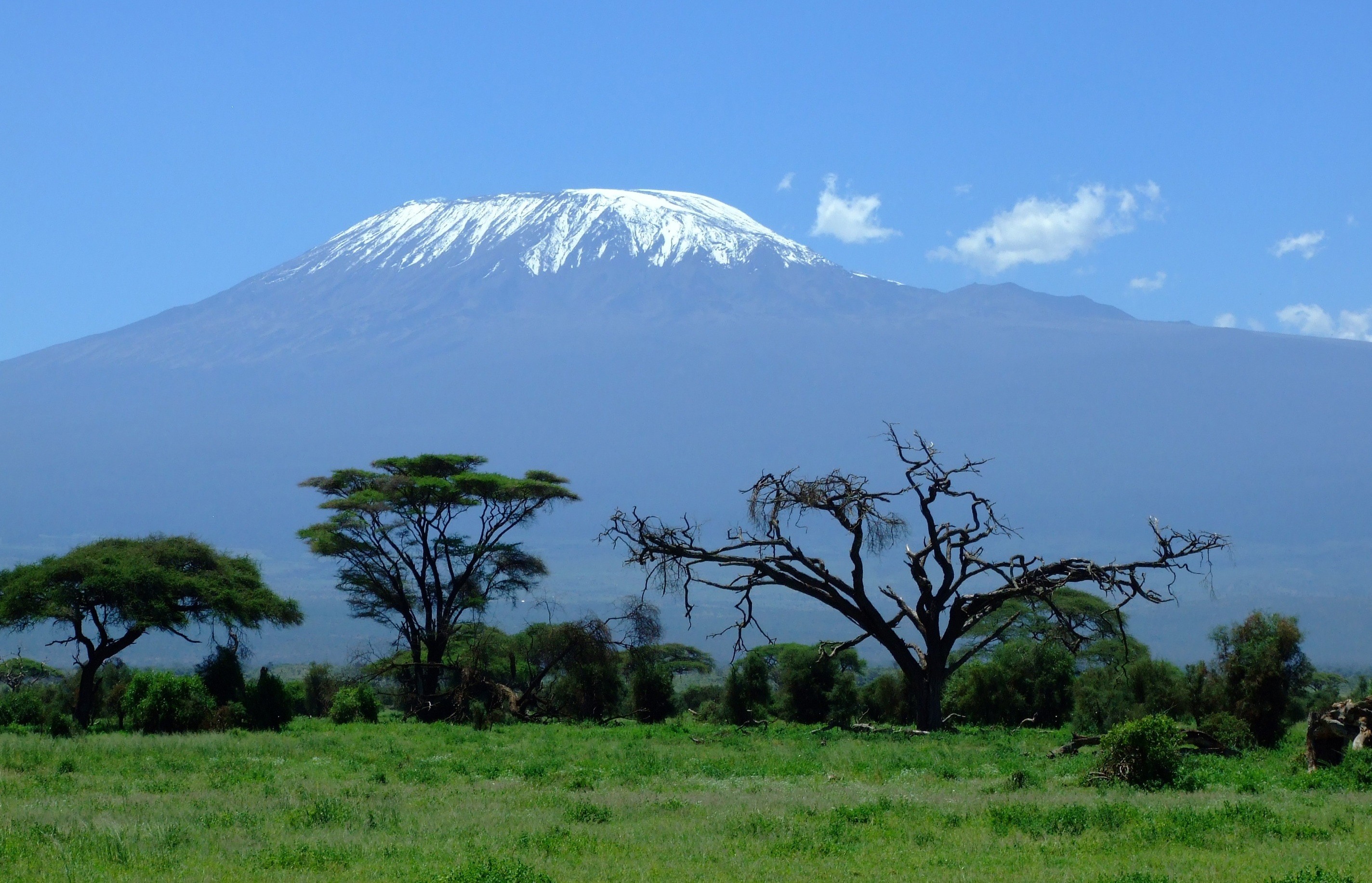
Sunrise on Uhuru Peak at 5,895 meters redefines your perspective. Soon after, you could watch a leopard lounge in the Serengeti. This isn't two trips, it’s one unforgettable adventure.
If you want to combine a Tanzania safari with a Kilimanjaro trek, most serious trekkers start with the Machame Route, also known as the Whiskey Route. After guiding thousands of climbers since 2014, we’ve assembled this honest, straightforward guide.
Why the Machame Route Kilimanjaro Trek is Called the Whiskey Route
The nickname has a playful backstory. The Marangu Route was called the ‘Coca-Cola Route’ because it’s the easier, more comfortable option with huts for sleeping. When trekkers tried the Machame route, they found it steeper, tougher, and much more scenic. That’s why it became known as the Whiskey Route: stronger, harder, and much more rewarding.
Today, the Machame Route is the most popular way up Kilimanjaro, with about half of all climbers choosing it. In just one week, you’ll pass through five ecological zones: rainforest, heather moorland, alpine desert, arctic summit, and then descend. No other route offers this much visual variety in a single trek.
Best Time to Climb Kilimanjaro via the Machame Route
Kilimanjaro can be climbed year-round, but the season greatly shapes your trek. Over our twenty years here, we’ve found that January to mid-March means fewer trekkers and clear, dry weather.
Summit conditions are cold but dry, trails are quiet, and visibility is excellent. Ideal for those seeking less crowded climbs.
June to October Peak Trekking Season
June to October is peak trekking, with dry, stable weather and busy trails. This is also safari high season: animals gather near water, and the Great Migration crosses the Serengeti. For a trek-safari combo, choose these months.
Avoid Long Rains (Late March to May)
The long rains (late March–May) mean muddy trails, slippery Barranco Wall, and soaked gear. November’s short rains are easier, but the long rains make trekking difficult.
To make this a truly memorable trip, book between January and March or June and October for the best trekking conditions.
7 Day Machame Route Itinerary: Day-by-Day Breakdown
Seven days is the ideal length. Six-day treks have lower summit success rates, about 60 to 65 percent, because your body doesn’t have enough time to adjust. Within 7 days, our teams saw success rates rise to about 85%. Here’s what the week looks like.
Day 1: Machame Gate to Machame Camp
Elevation: 1,640m to 2,835m | Distance: 11 km | Time: 5–7 hours
The walk from Machame Gate to Machame Camp takes you through humid, dense rainforest. You might spot colobus monkeys in the trees, get caught by sudden heavy rain, and step over tree roots as thick as your arm. This is the easiest day, and your porters will have your tent ready when you arrive.
Day 2: Machame Camp to Shira Camp
Elevation: 2,835m to 3,750m | Distance: 5 km | Time: 4–6 hours
You leave the forest and enter heather and moorland. This is where you get your first clear views of Kibo Peak. It’s a shorter day, but the elevation gain means you’ll start to feel the effects of altitude. Make sure to drink four liters of water.
Day 3: Shira Camp to Lava Tower to Barranco Camp
Elevation: 3,750m to 4,600m to 3,960m | Distance: 10 km | Time: 6–8 hours
This is the classic ‘climb high, sleep low’ day, which is key for acclimatization on the route. You’ll go up to 4,600 meters at Lava Tower for lunch, then descend to Barranco Camp. It’s normal to have a mild headache while your body is adjusting.
Day 4: Barranco Camp to Karanga Camp
Elevation: 3,960m to 3,995m | Distance: 5 km | Time: 4–5 hours
You begin by scrambling up the Barranco Wall. It’s not technical, but you will need to use your hands. The short afternoon gives you extra time to rest before the next stage.
Day 5: Karanga Camp to Barafu Camp
Elevation: 3,995m to 4,673m | Distance: 4 km | Time: 4–5 hours
Barafu means ‘ice’ in Swahili. The landscape here is barren and feels otherworldly. You’ll have dinner at 5 PM, go to sleep by 7, and summit night starts at 11 PM.
Day 6: Summit Day Barafu to Uhuru Peak to Mweka Camp
Elevation: 4,673m to 5,895m to 3,100m | Distance: 17 km | Time: 12–16 hours
This is the hardest and most memorable day of your journey. You’ll use head torches, take slow steps, and feel the cold through every layer. You’ll reach Stella Point at sunrise, then walk another 45 minutes along the crater rim to Uhuru Peak. Expect hugs, tears, and photos before the long descent to Mweka Camp.
Day 7: Mweka Camp to Mweka Gate
Elevation: 3,100m to 1,640m | Distance: 10 km | Time: 3–4 hours
You’ll make a tough descent through the rainforest, returning to where you began. But after seven days, you won’t be the same person who started the trek. You’ll receive your certificate at the gate.
Pairing Your Kilimanjaro Trek With a Tanzania Safari
Many people make the mistake of flying to Tanzania, climbing Kilimanjaro, and then heading straight home. Don’t do that. Northern Tanzania has some of the best wildlife experiences in the world, and you’re already there.
After summit day, your body will need rest, hot showers, and good food. A three-to-five-day safari through the Northern Circuit, Tarangire, Lake Manyara, Ngorongoro Crater, and the Serengeti is the perfect way to unwind, relax in Karatu, then enjoy safari adventures as your muscles recover.
The Ngorongoro Crater is a collapsed volcanic caldera that holds about 25,000 large animals, including many predators. If you’ve never seen a black rhino, this is likely your best chance. A Tanzania safari and Kilimanjaro trek usually takes 10 to 14 days.
Booking Your Tanzania Safari and Kilimanjaro Trek with KiliDestination
We started KiliDestination in Arusha, and we’re still run by the same local team of guides who grew up near this mountain. With years of firsthand guiding and in-depth knowledge of the region, our success rate on the Machame Route is about 95 percent. Our safari vehicles are well-maintained 4x4 Land Cruisers, driven by guides who know not only where the lions were this morning but also bring decades of expertise in navigating Tanzania’s wilderness safely and responsibly. Heren Circuit safari. Our trips are flexible, honest, and tailored to your fitness, schedule, and budget. Whether you want a seven-day trek followed by five days on safari or a shorter ten-day combo, we’ll design it for you. We also offer Zanzibar extensions if you want to finish your trip by the Indian Ocean.
Contact us, we’ll guide you, answer all your questions, and help plan a trip you’ll remember forever.
Frequently Asked Questions
Q. How fit do I need to be to climb Kilimanjaro via the Machame Route?
You don’t need to be an athlete; you just need to be comfortable walking five to seven hours a day on uneven ground for a week. Most climbers who train for three to four months, doing weekend hikes with a loaded backpack and cardio during the week, do well. On summit night, mental determination is more important than leg strength.
Q. Can I combine the 7-day Machame Route with a Tanzania safari in one trip?
Absolutely, and we highly recommend it. Most clients arrive at Kilimanjaro International Airport (JRO), spend a rest day in Moshi, complete the seven-day trek, take a recovery day, and then go on safari for three to five days. The whole trip takes 12 to 14 days. You save on flights, and the safari is the perfect way to recover.
Q. What’s the real cost of climbing Kilimanjaro on the Machame Route?
The real cost of the Machame Route is primarily driven by mandatory government conservation fees, ethical labor practices, and essential safety infrastructure. Beyond the fixed entry and camping permits, a responsible expedition covers fair wages and welfare for the mountain crew, as well as the high cost of maintaining specialized high-altitude gear and emergency medical equipment, such as bottled oxygen. Ultimately, the cost reflects the logistical reality of ensuring a high summit success rate while maintaining a safe, ethical footprint on the mountain.