Everything You Need to Know for Trekking Kilimanjaro, Tanzania
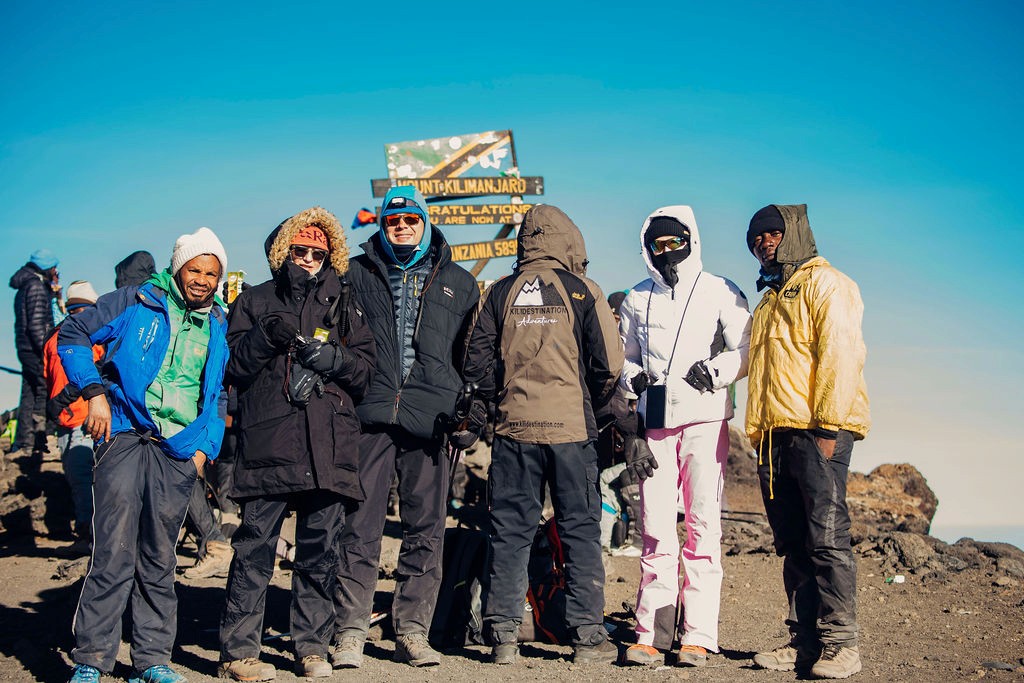
There is a distinguishing feeling that hits you when you stand at 19,341 feet watching the sun break over the edge of the African continent. Your lungs are burning, your legs feel like lead, and you’re probably wondering why on earth you decided to climb a volcano. But then, you look out over the clouds, and everything else just disappears.
If you’re thinking about trekking Kilimanjaro, Tanzania, in 2026, you aren't just looking for a hike. You’re looking for that reset button. Kilimanjaro is one of those rare places where you can walk through five different worlds, from tropical rainforests to icy glaciers in just a few days. It’s accessible, it’s intense, and honestly, it’s life-changing. But before you start buying every piece of gear in the store, let’s get into the ‘hows’ and the ‘where’ of making this happen.
Firstly, Where is Mt Kilimanjaro?
It sounds like a simple question, but if you’re planning a trip, you need to know exactly what you’re getting into. So, where is Mt Kilimanjaro? Mt Kilimanjaro sits in the northeastern corner of Tanzania, right near the border with Kenya. It’s the highest free-standing mountain in the world, which means it isn’t part of a mountain range like the Himalayas; it just rises up out of the savanna like a giant.
Although you can see it from the Kenyan side, the mountain is entirely within Tanzania's borders. If you’re flying in, you’ll want to head to Kilimanjaro International Airport. From there, it’s a short drive to Moshi or Arusha, the two towns that serve as the base camps for almost every trek in Tanzania.
Picking the Best Route for Trekking Kilimanjaro, Tanzania
One of the biggest mistakes people make is picking a route because it’s the ‘cheapest’ or the ‘fastest.’ On Kili, fast is usually a recipe for a headache, quite literally! Altitude sickness is the primary reason people don't reach the summit. When you’re trekking Kilimanjaro, Tanzania, pole-pole isn't just a mantra; it’s the law of the mountain.
The Lemosho Route: The "Gold Standard"
If you want the best views and the best chance of reaching the summit, Lemosho is my top pick. It starts on the west side and gives your body plenty of time to get used to the thin air. It usually takes 7 or 8 days. It’s quieter, more scenic, and honestly just feels more like an adventure.
The Machame Route: The "Whiskey" Route
This is the popular one. It’s beautiful, social, and features the Barranco Wall, a steep scramble that looks scary but is actually a total blast. It’s a 6 or 7-day trek. Just be prepared to share the trail with a few more people here.
The Marangu Route: The "Coca-Cola" Route
This is the only route where you sleep in huts instead of tents. People call it easy, but that’s a trap. Because it’s short, often 5 days, people try to rush it and end up getting sick. If you choose this one, take 6 days. Your body will thank you.
When to Go: Timing Your Journey
Kilimanjaro is near the equator, so it doesn't have "winter" or "summer" like you might be used to. Instead, it has dry and wet seasons.
July to October: The busiest time. It’s dry, clear, and great for photos.
January to March: Another great window. It’s a little colder but generally quieter than the mid-year rush.
Avoid April and May: This is the long rainy season. Unless you enjoy being wet and cold for a week straight, stay home.
What Does Training for Trekking Kilimanjaro, Tanzania, Actually Look Like?
You don’t need to be a professional athlete to climb Kili. We’ve seen 70-year-olds and 12-year-olds stand on the summit. However, you do need to be fit for hiking.
The best way to train? Put on your boots and walk. Find some hills, load up a backpack with about 15 pounds, roughly 7 kilograms of weight, and spend 4 or 5 hours on your feet. You’re training your legs to endure long days of movement, and you’re breaking in your boots so you don't end up with blisters the size of quarters on Day 2.
Pro Tip: Don't forget the mental training. There will be a moment on summit night when you’re cold, tired, and want to quit. Remind yourself now why you want to do this. That mental grit is what gets you over the finish line.
Safety First: Let’s Talk About Altitude
We can’t stress this enough. Altitude doesn't care how many marathons you’ve run. Acute Mountain Sickness (AMS) can happen to anyone.
When you’re trekking Kilimanjaro, Tanzania, you’ll hear your guides constantly saying pole-pole. It means "slowly, slowly." Walking slow keeps your heart rate down and gives your body a chance to produce more red blood cells to carry oxygen.
Professional teams should be checking your oxygen levels and heart rate every single day. If you have a headache that won't go away or you feel dizzy, be honest with your guides. There is no shame in heading down to a lower camp to catch your breath.
Gear: What Really Matters?
You don't need the most expensive gear in the world, but you do need the right gear.
Layering is the key: You’ll start in a t-shirt in the rainforest and end in a heavy down jacket at the summit.
The Boots: Don't skimp here. Get waterproof, broken-in hiking boots.
Sleeping Bag: You want one rated for at least -15°C. It gets incredibly cold at night once you get above 12,000 feet.
Headlamp: Essential for summit night, which usually starts around midnight so you can reach the top for sunrise.
Why Book with KiliDestination?
At the end of the day, your trek is only as good as the team supporting you. At KiliDestination, we live for this stuff. We aren't some giant international agency; we are local experts who know every rock and ridge of this mountain. We focus on ethical treatment for our porters and high safety standards for our guests.
But we also know that after a week on a mountain, you probably want a real shower and a comfortable bed. That’s why we specialize in full Tanzania vacation packages. We can take you from the summit of Kilimanjaro straight to a luxury safari in the Serengeti to see the Big Five, or fly you over to the white sands of Zanzibar to soak your tired muscles in the ocean. We handle the logistics so you can just enjoy the experience.
When you book with us, you’re getting an authentic Tanzanian experience. We’ll teach you the Swahili songs, tell you the stories of the mountain, and make sure you get back down safely with a story worth telling.
Check out the climb dates that suit your calendar, and start your adventure with us.
Frequently Asked Questions
Do I need to be a technical climber?
Not at all. There are no ropes, no harness, and no ice climbing involved. It’s essentially a very high-altitude walk. If you can walk uphill for several hours a day, you can do this. Just make sure you’re fit for hiking.
How do you go to the bathroom on the mountain?
Most camps have "long drop" toilets provided by the National Park.
Can I climb Kilimanjaro alone?
No, Tanzanian law requires all climbers to be accompanied by a licensed guide. This isn't just for safety; it’s also to support the local economy. A typical trek for one or two people might include a guide, a cook, and several porters to carry the gear and food.