The Best Packing List for Your Safari in Tanzania
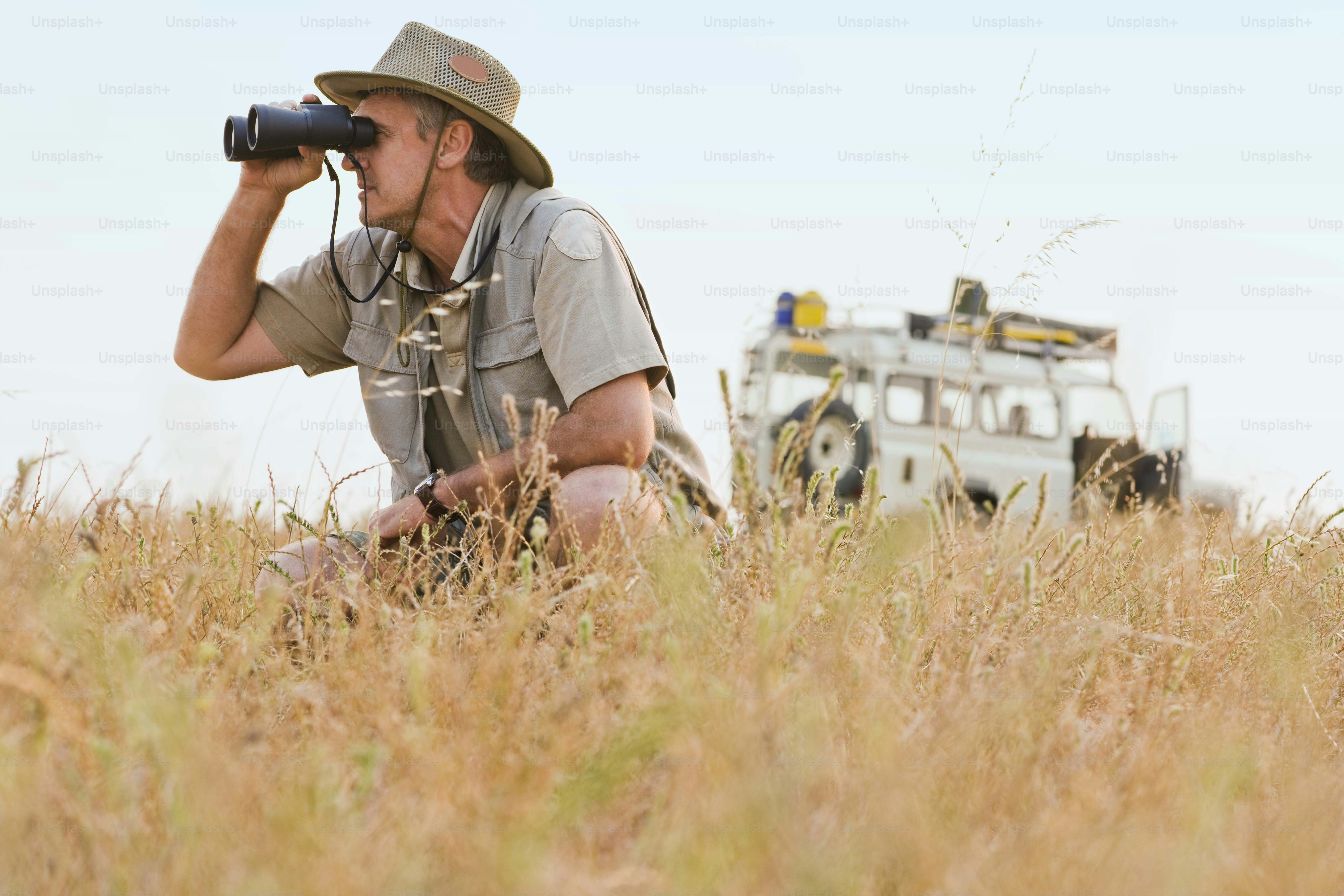
Packing for a Tanzania trip can be a puzzling and overwhelming experience. You’re heading to the equator, so your brain says ‘bring shorts and t-shirts,’ but then every travel blog warns you about the freezing morning air. You want to look like a classic explorer out of a movie, but you definitely don’t want to be a walking target for a tsetse fly or a sunburn.
When you book one of the many Tanzania Safaris, your clothing choices are about way more than just looking good for social media. They are about staying comfortable during long drives, staying invisible to the animals, and fending off some of the more annoying insects. Here is to help you figure out exactly what to throw in your bags. Let’s get you ready so you can focus on finding that leopard in a tree rather than worrying about your laundry.
Rules for Your Safari in Tanzania
Before we get into the nitty-gritty of your suitcase, there are three main rules we need to talk about: Layers, Neutrals, and Practicality. If you follow these, you’re already halfway there.
Layering is Your Best Friend
A typical day out on the savanna is a bit of a temperature roller coaster. You’ll head out at 5:30 AM in an open-sided vehicle, and at that hour, the air gives you chills, especially if you’re near the Ngorongoro Crater rim. By noon, the sun is blazing. By late afternoon, the wind picks up again. Here’s a simple way to deal with fluctuating temperatures.
The Base Layer: Start with a moisture-wicking T-shirt.
The Middle Layer: Add a long-sleeve safari shirt. Linen or technical fabrics are great because they breathe well and protect your arms from sunlight and bug bites.
The Outer Layer: Bring a fleece or a lightweight puffer jacket. You’ll be so glad you have it when you’re sipping coffee in the dark before the sun comes up.
Neutral Shades Matter
You’ve probably seen the classic khaki-and-olive look. It’s not just for show; it’s actually a tactical move.
The Colors You Want: Stick to earthy tones like khaki, tan, beige, and olive green. These colors blend into the savanna. If you wear neon orange, you look like a giant danger sign to a herd of zebras, and they’ll be gone before you can even reach for your camera.
The No-Go Colors: Avoid dark blue and black. In many of the big parks, these colors are basically a dinner bell for tsetse flies. These flies have a nasty, painful bite, and for some reason, they are obsessed with dark, solid colors.
Leave the White at Home: A white linen shirt looks incredible in photos, but trust me, it’ll be a dull shade of Tanzanian dust within twenty minutes of your first game drive.
A Word of Warning on Camo: In Tanzania, camouflage is for the military. To avoid any awkward and potentially serious misunderstandings with local police or rangers, leave anything with a camo print at home.
Packing for Different Safari Packages in Tanzania
Not all safaris are the same, and your gear should reflect that. Depending on which of the safari packages in Tanzania you’ve chosen, you might need to tweak your bag.
The Classic Jeep Safari
If you’re going to be spending most of your time in a Land Cruiser, comfort is the name of the game.
The Right Pants: Zip-off cargo pants are the MVP in this category. They let you switch from pants to shorts as the day heats up. Avoid tight jeans; they get hot, they’re restrictive when you’re climbing in and out of the jeep, and they take forever to dry if you get caught in a rain shower.
Shoes: You don't actually need heavy-duty hiking boots if you’re staying in the vehicle. A comfortable pair of sneakers or trail shoes is perfect.
Walking Safaris and Bush Walks
If your itinerary includes a walking safari, things change. You’re now part of the ecosystem, not just an observer.
Real Boots: You need sturdy, closed-toe hiking boots with good ankle support. You’ll be walking over thorns, uneven rocks, and through tall grass.
Wool Socks: Spend the extra money on good moisture-wicking socks (like Merino wool). They stop blisters from forming and keep your feet from getting swampy.
The Zanzibar Beach Extension
Lots of travelers head to the coast after their safari. Zanzibar is stunning, but it’s also a conservative, predominantly Muslim society. Respect the Culture. When you’re in Stone Town or walking through local villages, keep your shoulders and knees covered. A lightweight sarong is a great emergency item to keep in your bag to wrap around your waist or shoulders when needed.
Essential Accessories for Tanzania Safaris
It’s often the small things that save the day. Make sure these are in your carry-on:
A Hat with a Strap: A wide-brimmed hat is better than a baseball cap because it protects your ears and neck. Make sure it has a chin strap. The wind in an open-top jeep is surprisingly strong, and you don’t want to see your favorite hat flying into a pride of lions.
Polarized Sunglasses: The glare off the salt pans or the open plains can be intense. Polarized lenses help you see through the shimmer to spot movement in the grass.
Scarf or Buff: This is the secret weapon of pro travelers. Use it to stay warm in the morning, then pull it over your face when a passing jeep kicks up a cloud of dust.
Binoculars: Don’t assume you can just share the guide's pair. Having your own 8 x 42 set means you can spend as long as you want watching that cheetah cub without feeling like you’re hogging the gear.
Bags and Laundry
If your Tanzania Safaris involve bush flights, you must use a soft-sided duffel bag. Those planes have tiny luggage pods, and a hard-shell suitcase simply won't fit.
Most of these flights have a weight limit of around 15kg to 20kg. That sounds like very little, but don't panic. Almost every lodge and camp offers laundry services. You really only need about 4 days' worth of clothes, even if you’re staying for two weeks. Wash, dry, repeat.
What to Wear at the Lodge
Once the sun goes down, the atmosphere shifts. It’s safari chic, but very laid back.
Dinner Time: There’s usually no dress code. A fresh pair of pants and a clean polo or blouse is more than enough.
Mosquito Defense: This is the most important part of the evening. Even if it feels warm, put on your long sleeves and long pants for dinner. It’s your best defense against mosquitoes.
Comfort Shoes: This is when you finally kick off the boots and slide into some sandals or flip-flops to sit by the campfire.
Why Choose KiliDestination for Your Trip?
Planning what to wear is the easy part; planning the actual adventure is where things get tricky. At KiliDestination, we’re here to handle all the "what-ifs." Because we are a locally owned and operated company, we know these parks like the back of our hand. We know when the dust is going to be a problem and when the rain is going to turn the trails into an adventure.
We help you with everything from weight limits on those bush flights to picking the best time of year for a walking safari. We make sure our vehicles are ready for whatever the weather throws at us, with blankets for those freezing mornings and plenty of cold water for the afternoon heat.
If you want a trip that is planned by people who actually live here, our tanzania vacation packages are designed to be seamless. We bridge the gap between the wild Serengeti and the quiet beaches of Zanzibar so you can just enjoy the view without stressing over the details.
Contact us today to get a custom packing list and start planning.
Frequently Asked Questions
Can I wear leggings on safari?
You can, but be careful. Thin leggings are very easy for tsetse flies and mosquitoes to bite right through. If you really want to wear them, try to find a thicker technical pair or wear them only in areas where the bugs aren't too bad.
Do I need to buy expensive safari clothes?
Not at all. Check your closet for anything in beige, tan, or green. Those old cargo pants or basic t-shirts will work perfectly. The only things really worth spending extra on are a solid pair of shoes and a good hat.
Can I wear shorts?
Yes, but only during the heat of the day. In the early mornings and late evenings, you’ll want long pants for warmth and bug protection. Also, if you’re going on a walking safari, shorts are a bad idea because of the thorns and long grass.