Mount Kilimanjaro Routes: The 2026 Guide to All 7 Trails
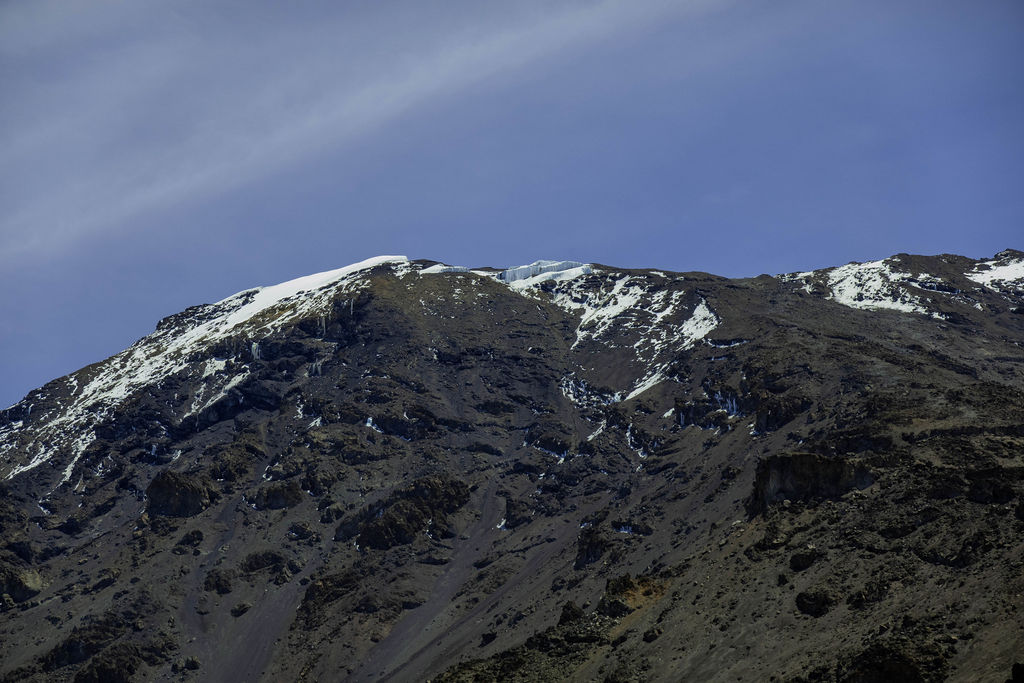
Every Kilimanjaro climber eventually faces the same question: which route should I take? Choosing the right one gives you the best shot at reaching Uhuru Peak. Pick the wrong one, and you might find yourself turning back at 16,000 feet with a headache, wondering what went wrong.
We have guided climbers up Kilimanjaro for years. One thing has always been true: your choice of route matters more than almost anything else. It is even more important than your fitness, your gear, or the time of year. The route shapes how your body adapts to altitude, and that often decides if you reach the summit.
This guide explains all seven official routes. We will share what each one is like, who it suits best, and common mistakes climbers make when choosing.
The 7 Official Kilimanjaro Routes at a Glance
All seven routes end at Uhuru Peak, which is 5,895 meters (19,341 feet) high and the tallest point in Africa. What sets them apart is the path they take, how long they last, and how challenging they are for your body to adjust to the altitude.
Machame Route: The Most Popular Trail on the Mountain
Machame, also called the Whiskey Route, is the most popular trail for climbers, and it is easy to see why. It begins at Machame Gate on the southern side, goes through thick rainforest on the first day, then opens up to moorland, alpine desert, and finally the summit area. The Barranco Wall is a highlighter scramble that looks tough in photos but feels manageable if you keep a steady pace.
Machame works well because of how it helps your body adjust to altitude. You climb higher during the day and sleep a bit lower at night. This 'walk high, sleep low' pattern is great for acclimatization. The seven-day route includes an extra day near Lava Tower (4,600m), which really helps on summit night. We do not recommend the six-day version for first-timers because it skips this important buffer.
Lemosho Route: The Most Scenic Path to Uhuru Peak
If Machame is the practical option, Lemosho is the route you will remember for years to come. It starts on the remote western side, deep in the rainforest, where Colobus monkeys swing through the trees on your first morning. Soon, you cross the wide Shira Plateau, one of the mountain’s most stunning areas.
Lemosho joins the Machame route higher up, so you still cross the Barranco Wall and head to the summit from Barafu Camp. The extra days at altitude early on help your body adjust, which is why the eight-day Lemosho route has some of the best summit success rates on Kilimanjaro.
We recommend this route most often. The views are outstanding, there are fewer people in the early days, and the acclimatization is excellent without needing to do the full Northern Circuit.
Marangu Route: The Only Hut Route
Marangu is Kilimanjaro’s oldest route and the only one where you sleep in shared huts instead of tents. This makes it popular with climbers who do not like camping or want to save money. It is also the gentlest trail, which is why many call it the 'easiest' option.
To be honest, Marangu’s reputation for being easy is a bit misleading. The trail is gentle, but the five-day trip has only about a 50% summit success rate because most people do not have enough time to acclimatize. The six-day version is much better. If you pick Marangu, make sure to choose the 6-day route.
This route uses the same path up and down, so you see less of the mountain. The huts can also get noisy during busy times. Marangu is a good choice for those on a budget or who want more comfort, as long as you choose the six-day route, but it is not as easy as many expect.
Rongai Route: The Quiet Northern Approach
Rongai is the only route that starts from the north, near the Kenyan border. Because it is in the mountain’s rain shadow, it gets much less rain than the southern routes. If you plan to climb during the rainy seasons (April-May or November), Rongai is the smartest choice.
Rongai is also one of the quietest trails. The first days feel truly remote, and you might see wildlife in the lower forests, something you rarely get on the busier southern routes. The descent follows the Marangu route, so you see a different part of the mountain on the way down. It is a great, often overlooked choice for those who want solitude and drier conditions.
Northern Circuit: The Longest Route
The Northern Circuit is the longest route, taking nine to ten days to loop around the northern slopes of Kibo. It starts on the Lemosho trail, then splits off after Lava Tower to head north instead of going down to Barranco. This path takes you through some of the most remote and least-visited parts of Kilimanjaro before joining the southern routes for the final climb to the summit.
Spending more time at altitude gives the Northern Circuit the highest summit success rate over 90% for well-guided groups. Some campsites feel almost empty. If your main goal is to reach Uhuru Peak and you have the time and budget for a longer trip, this is the most reliable route.
Umbwe Route: For Experienced Trekkers Only
Umbwe is steep, direct, and tough. It climbs the southern slope faster than any other route, which might sound good until you realize how hard quick altitude gain can be on your body. It has the worst acclimatization profile of all seven routes, and the summit success rate shows it. Most current Umbwe trips join the Machame route after day two, giving climbers a chance to recover before the final push.
Experienced high-altitude trekkers who know how their bodies handle elevation may find Umbwe appealing. The lower parts are beautiful and quiet. But if you have never been above 15,000 feet, this is not the route to try first. You need to be very fit, and there is little room for mistakes.
Shira Route: The High-Start Variation
Shira is basically an older version of the Lemosho route. The main difference is where it starts: instead of hiking through the rainforest, you are driven to Shira Gate at about 3,600 meters. This might seem like a shortcut, but it skips the gradual altitude gain of the lower forest, so you start high without giving your body time to adjust.
The Shira Plateau is beautiful. However, starting your acclimatization at that height, especially on your first night, raises your risk of early altitude sickness. If you pick this route, we strongly suggest adding an acclimatization day in Arusha or doing a pre-trek hike on Mount Meru first.
How to Choose the Right Route for You
After guiding hundreds of climbers, we have noticed that most people fit into one of four groups when picking a Kilimanjaro route.
If you want the best mix of scenery, success rate, and overall experience, choose the eight-day Lemosho route. It is not the cheapest, but it offers the most complete Kilimanjaro adventure.
If you are a strong, fit hiker looking for a more direct route, the seven-day Machame is a great choice. It is popular for good reason.
If your main goal is summit success and the budget is not an issue, pick the Northern Circuit. No other route offers the same chances.
If you do not like camping, have a smaller budget, or need a shorter trip, choose the six-day Marangu route. Just be aware of its limits and plan for them.
We always remind clients not to choose a route based only on price. The cost difference between a six-day and eight-day climb is usually just a few hundred dollars, but the summit success rate can be 20-30 percent higher.
Ready to Choose Your Route?
Picking a Kilimanjaro route is not a decision to outsource to a forum thread or a quick Google search. It depends on your fitness, how much altitude experience you have, how many days you have available, and what kind of experience you actually want on the mountain.
Our local Tanzanian guides have climbed every route on this list, multiple times, with clients from all over the world. We see what works and what does not. We know which itinerary performs best for your profile, and we will tell you honestly, even if it means recommending a longer, slightly more expensive climb.
Contact Us for a free personalized route consultation. There is no pressure and no script, just a conversation about your goals with people who know this mountain.
Frequently Asked Questions
Which Kilimanjaro route has the highest summit success rate?
The Northern Circuit has the highest summit success rate, over 90%, because it gives you plenty of time to adjust over nine to ten days. If you have less time, the eight-day Lemosho route is the next best choice.
What is the most popular Kilimanjaro route?
The Machame Route. It accounts for approximately 35% of all annual Kilimanjaro climbers. Lemosho is the fastest-growing route in popularity, particularly among first-timers prioritizing success rates over cost.
Which Kilimanjaro route is best for wildlife sightings?
The lower sections of the Lemosho and Rongai routes pass through forests and moorland where buffalo, elephant, and colobus monkeys are occasionally seen. The Rongai northern approach also offers zebra and antelope sightings near the Kenyan border. No route guarantees wildlife, but the quieter western and northern approaches give you a better chance simply because there are fewer people.