How Hard Is It to Hike Kilimanjaro? Here's What Nobody Tells You First
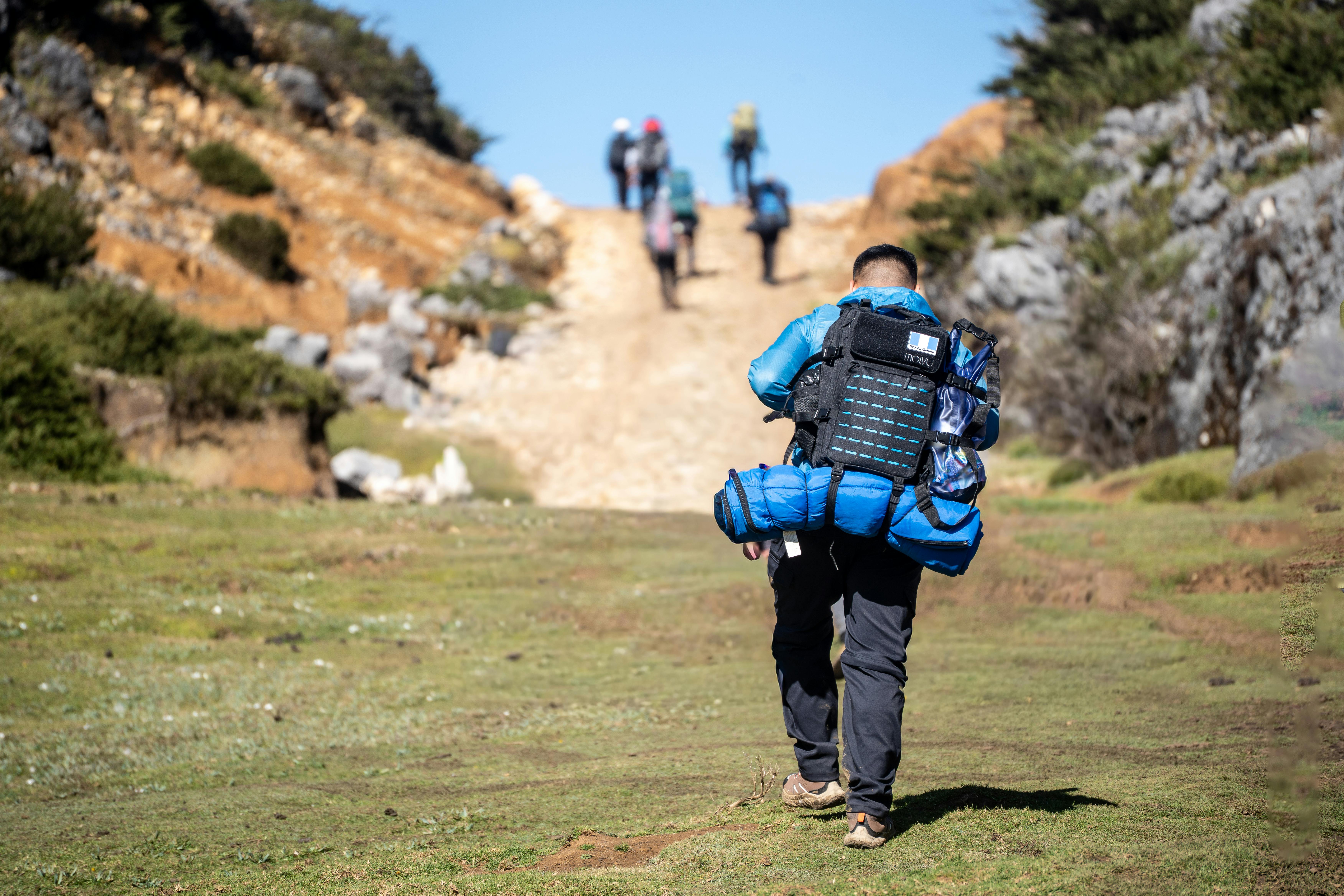
How hard is it to hike Kilimanjaro? This question leads to more confusion than any other in East African adventure travel. At KiliDestination, we guide climbers from Arusha to Uhuru Peak all year, and we see the same misunderstanding again and again. Some people expect a tough technical climb, while others think it will be as easy as a weekend hike. Both groups often struggle. Kilimanjaro does not require ropes, axes, or mountaineering skills on any standard route. What it does require is honest physical preparation, enough days on the mountain, and a real understanding of how altitude affects your body above 5,000 meters over several days.
What the Mountain Actually Puts You Through
The trails themselves are not difficult. Most of the path to Barafu Base Camp on the Lemosho Route is a dirt track through moorland and alpine desert. Any fit adult who trains properly can handle it. The only technical part is the short Barranco Wall scramble, which is more about confidence than skill.
Altitude is the main challenge. At Uhuru Peak, 5,895 meters above sea level, the air has about half the oxygen found at sea level. How your body reacts to this is what makes Kilimanjaro hard, not the distance, terrain, or camping. Each day, the effects of altitude build up.
Here is what that actually looks like across a typical week on the Lemosho Route:
Days 1 to 3: The forest and moorland stages feel manageable, occasionally beautiful. Most climbers feel strong. The altitude effect is present but mild. Some people begin experiencing headaches at camp around 3,500 meters.
Days 4 to 5: On the acclimatization day, you climb to Lava Tower at 4,630 meters, then descend to Barranco at 3,950 meters. This is when the mountain really starts to test you. Your appetite drops, sleep gets lighter, and the oxygen readings at camp show what your body is dealing with.
Day 6: You reach Barafu Base Camp at 4,673 meters. After an early dinner, you try to sleep early, but rest at this altitude is not refreshing. Most climbers lie awake for hours, with a fast heartbeat and a new awareness of their breathing.
Summit night: The guide wSummit night: Your guide wakes you between 11pm and midnight. You put on all your warm clothes. Temperatures range from -10°C to -20°C with wind chill. You climb uphill on loose volcanic rock, using a headlamp to see just a few meters ahead. The climb from Barafu to Uhuru Peak is 1,245 vertical meters. At this altitude, after six days of effort, it takes six to eight hours. You descend right after. That day, you spend 12 to 14 hours on your feet, without real sleep, in the toughest conditions the mountain has.ht actually is. Describing it any other way would do a disservice to the climbers preparing for it.
What makes this even harder is doing it for several days in a row. A tough day at altitude, then poor sleep, then another tough day, repeated all week, adds up in a way that gym training cannot fully prepare you for. The people who struggle most on Kilimanjaro are often fit, but they did not train for several days of effort at altitude.
The Four Variables That Change How Hard Kilimanjaro Feels
Route Length: The One Decision That Matters Most
The summit success rate for a 5-day Kilimanjaro trip is about 27%. On a 9-day trip with the same peak and summit night, it exceeds 92%. The difference is acclimatization time. Each extra day helps your body adjust to the thin air. Picking a shorter route to save money or time is the main reason people do not reach Uhuru Peak.
Route | Days | Avg. Summit Success |
Marangu | 6 | 55 to 65% |
Rongai | 7 | 65 to 75% |
Machame | 7 | 75 to 85% |
Lemosho | 8 | 88 to 92% |
Northern Circuit | 9 | 92 to 95% |
Training: Specific Preparation Beats General Fitness
Kilimanjaro rewards good endurance and strong joints, not just strength or peak performance. The climbers who do best are those who train by hiking long days with a loaded pack, back-to-back, at a steady pace. Eight to twelve weeks of this kind of training helps more than six months in the gym.
A good test is hiking 12 kilometers with a 7-kilogram pack and 700 meters of elevation gain, and finishing feeling tired but not exhausted. That means you are nearly ready for the daily demands of the lower days. Summit night is always a challenge, no matter how much you prepare.
Guide Team Quality: The Variable Nobody Prices Correctly
On Kilimanjaro, altitude is the main challenge, so the guide team's skills are crucial. Their ability to spot early warning signs, set the right pace, check oxygen levels daily, and decide when to descend directly affects summit success. The difference between a 65% and a 92% success rate is mostly about guide quality and trip planning. Daily oxygen checks, built-in acclimatization days, and experienced guides matter more than most gear choices.
Mental Preparation: The Honest Part Most Guides Skip
Summit night at 2 am is dark, cold, and exhausting. For the first three hours, it can feel like you are not getting any closer to the top. This is a mental challenge that fitness alone cannot solve. People with endurance sport experience handle it differently from first-timers. Before you go, take time to picture what this moment will feel like, not to scare yourself, but to be ready. Those who think it through usually cope better.
Why KiliDestination Is the Right Team for This Particular Mountain
Who you choose as your guide on Kilimanjaro shapes your whole experience. KiliDestination is a locally owned, non-profit company based in Arusha, just twenty minutes from the mountain’s northern side. All our guides are Tanzanian, have worked on this mountain for many seasons, and understand how altitude affects different people at different stages.
What does that mean on the ground:
Pulse oximetry health checks at every camp, documented and tracked across the climb
Acclimatization days included as part of the core itinerary, not optional add-ons
Emergency oxygen is carried on every expedition, not shared between groups
A guide-to-climber ratio that allows genuine individual attention when the mountain gets difficult
Honest conversations about when descent is the right call, because protecting a client's safety matters more than a summit photo
Summit success rates on KiliDestination’s Lemosho and Northern Circuit trips are consistently between 88% and 95%. These results show what good guide management and proper acclimatization can achieve, compared to the industry average of only 60% to 65%. As a non-profit, revenue beyond operating costs is directed to the KiliDestination Foundation, which funds school fees for the porters who support every expedition. Booking with us is not just a transaction. The team helping you reach Uhuru Peak has a stake in this organization that extends beyond a seasonal contract.
Packages start at $1,200 per person for the Marangu Route and $1,700 for the recommended 8-day Lemosho. Every package covers all TANAPA park fees, certified guides, fairly paid porters, full meals, camping gear, and emergency oxygen. There are no hidden costs.
If you want to discuss which route matches your schedule, fitness, and budget before making a decision, contact us through our website. Our guides will give you honest advice, not a sales pitch.
Conclusion
How hard is it to hike Kilimanjaro? For a fit, prepared adult, the terrain is manageable. Training cannot remove the effects of altitude, but choosing the right route length and having a good guide team can. Summit night is in a league of its own, 14 hours at your physical limit, and is one of the toughest but most rewarding experiences you can have. Climbers who prepare well, pick a longer route, and go with a skilled guide team reach Uhuru Peak more than 90% of the time. Those who underestimate the altitude or choose a short trip usually do not. Your preparation before you leave decides which group you will be in. Get in touch to start planning your next adventure.
Frequently Asked Questions
Do you need mountaineering skills to hike Kilimanjaro?
No. Standard routes require no technical skills, ropes, or ice axes. The Barranco Wall involves brief scrambling but nothing requiring prior climbing experience or specialized equipment.
How many hours a day do you walk on Kilimanjaro?
Between 5 and 8 hours on standard acclimatization days. Summit night extends to 12 to 14 total hours, including the full descent back to a lower camp.
Is hiking Kilimanjaro harder than Everest Base Camp?
Kilimanjaro's summit is 531 meters higher than EBC. Summit night, fourteen hours at altitude after accumulated fatigue, is harder than any single day on the EBC trek.
What fitness level is required to hike Kilimanjaro?
You should hike 12 kilometers with a 7-kilogram pack and 700 meters of elevation gain without finishing in respiratory distress. Sustained endurance matters more than peak athletic output.
Why do so many climbers fail to summit Kilimanjaro?
Altitude sickness from insufficient acclimatization time is the primary cause. Choosing a 5- or 6-day itinerary reduces success rates to 27-65%. An 8 or 9-day route pushes that above 90%.
Can beginners hike Kilimanjaro?
Yes, with targeted training of 8 to 12 weeks, an 8-day route minimum, a licensed guide team with health monitoring, and honest preparation for what summit night requires.
What is the best time of year to hike Kilimanjaro?
July through October offers the driest trails and clearest summit visibility. January and February are the secondary dry window with quieter crowds and similar conditions. Avoid April through May.