Tanzania Safari and Zanzibar: The Complete East Africa Trip Guide
Introduction
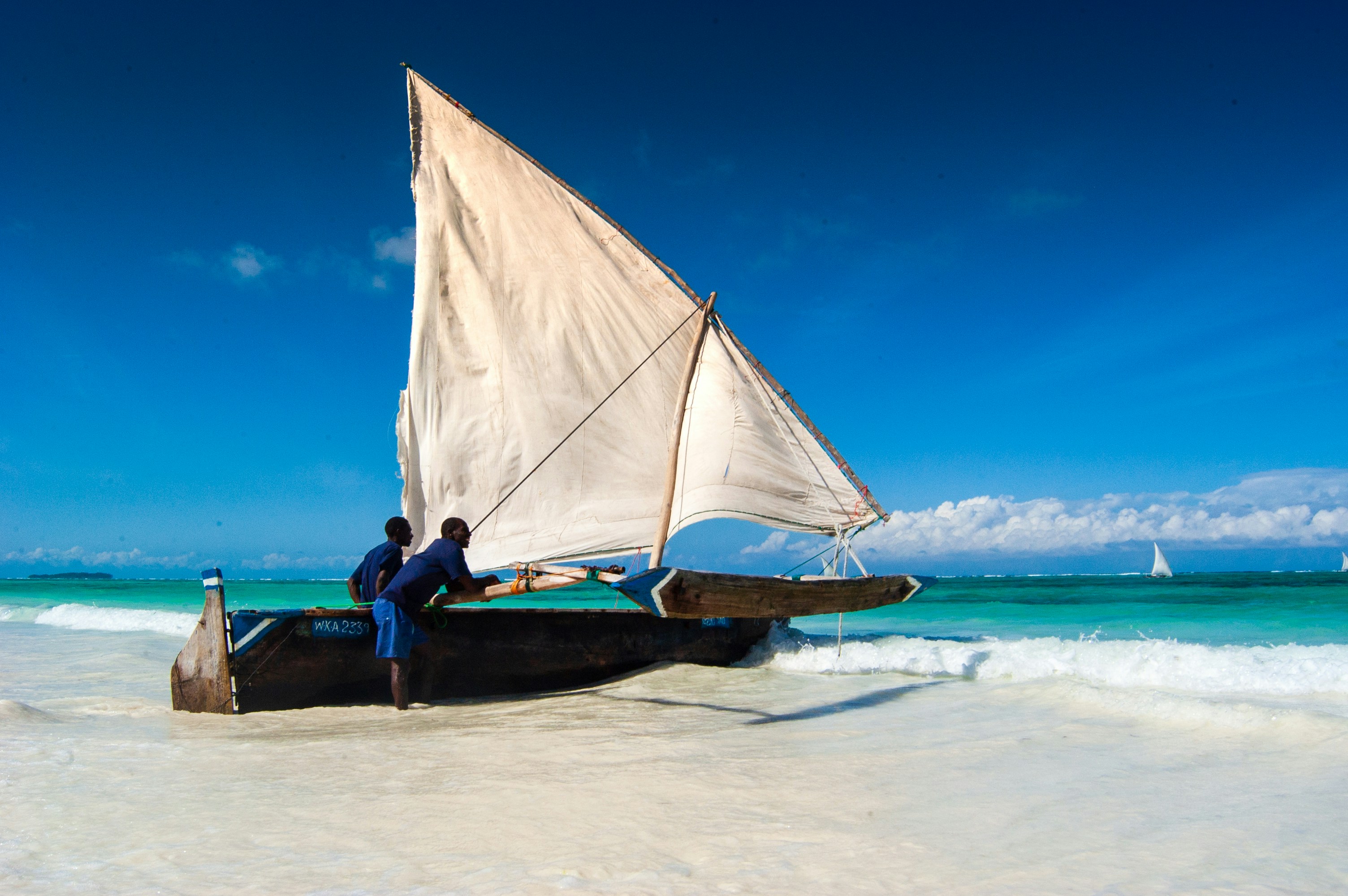
Tanzania offers two completely different experiences on the same trip. The northern safari circuit puts you face to face with lions, elephants, and the Great Migration across Serengeti and Ngorongoro. Zanzibar, a short flight off the coast, gives you white sand beaches, warm Indian Ocean water, and a historic Stone Town that carries centuries of Swahili and Arab culture. Most travelers book one or the other. The ones who book both come back describing the best trip of their lives. This guide covers how to combine them properly, when to go, what each destination actually delivers, and why the sequence matters more than most people realize.
Why Tanzania Is Africa's Best Safari Destination
Tanzania holds more wildlife in more concentrated spaces than anywhere else on the continent. The Serengeti alone covers 14,763 square kilometers of open savannah. Ngorongoro Crater sits 600 meters deep and holds approximately 25,000 large mammals in permanent residence. Tarangire has the highest elephant density in Tanzania.
What makes it work as a trip is that all three parks sit within the same northern circuit. You can cover Serengeti, Ngorongoro, and Tarangire in six to eight days without backtracking or rushing. Browse our Tanzania safari packages to see how each option is structured across different trip lengths and budgets.
The Great Migration: Every Month Tells a Different Story
The Great Migration is 1.5 million wildebeest, 500,000 zebra, and 200,000 gazelle moving continuously through Tanzania's Serengeti and into Kenya's Masai Mara. It doesn't happen once a year. It's a year-round cycle, and each month gives you a different part of it.
January to March: Calving season in the southern Serengeti. Around 8,000 wildebeest calves are born daily. Predator activity is intense.
April to June: The herds move northwest. Green landscapes, fewer tourists, excellent game viewing.
July to October: The famous Mara River crossings in the north. This is the peak season for both wildlife drama and crowds.
November to December: The herds head south again, completing the loop.
The month you choose for your safari should also drive your Zanzibar timing. Our month-by-month Tanzania and Kilimanjaro seasonal guide covers exactly how each window affects both the safari experience and beach conditions on the island.
The Safari Parks Worth Your Days
Serengeti National Park
Give Serengeti at least two full days. Three is better. The park is large enough that a single day only scratches one section of it. Morning game drives before 8am consistently outperform afternoon drives because animals are active and light is ideal for photography. A good guide positions the vehicle based on where the activity is, not just where the route goes.
Ngorongoro Crater
Ngorongoro is a self-contained ecosystem inside a volcanic crater. Lions, elephants, hippos, flamingos, and black rhino all live permanently on the crater floor. The key is an early descent. Arriving at 6:30am versus 10am is a fundamentally different experience. Most day visitors miss the best hours. One dedicated day here is essential, not optional.
Tarangire National Park
Tarangire gets skipped more than it should. The landscape is completely different from Serengeti: ancient baobab trees, dry riverbeds, and dense bush. Elephant herds gather along the Tarangire River in the dry season in numbers that rival anything on the continent. It pairs well with Lake Manyara as a combined day before you head into the Serengeti loop. If you're still figuring out which parks to include, we've built Tanzania safari itineraries across every park combination for different budgets and trip lengths.
What Zanzibar Actually Offers
Zanzibar isn't just a beach. It's a place with a specific identity shaped by six centuries of Indian Ocean trade, Swahili and Arab architecture, and a spice cultivation history that once made it the world's primary clove supplier.
Stone Town
Stone Town is a UNESCO World Heritage Site and still a living, working city. The carved coral rag buildings, narrow lanes, fish markets, mosques, and the former slave market memorial are not tourist recreations. They're real layers of history that shaped the entire East African coast. A half-day guided walk with a local guide gives the rest of your Zanzibar stay far more context than arriving straight at a beach resort.
Choosing the Right Beach
Nungwi and Kendwa on the north coast are the best options for year-round swimming. The tidal pattern keeps water accessible throughout the day, unlike parts of the east coast where low tide exposes reef flats and swimming becomes difficult.
Paje and Jambiani on the east coast are better for kite surfing. The southeast trade winds from June to October make this stretch of coastline one of the top kite surfing destinations in East Africa.
Matemwe is quieter than Nungwi, genuinely uncrowded, and has easy access to Mnemba Atoll, one of the Indian Ocean's best snorkeling and diving sites.
Spice Tour
A half-day spice tour through the clove and vanilla plantations outside Stone Town is worth adding. The smell alone is unlike anything most visitors have encountered before. It's the kind of experience that gives Zanzibar texture beyond the beach.
How to Sequence the Trip: Safari First, Then Zanzibar
This comes up in almost every planning conversation. The answer is consistent: safari first, Zanzibar after.
Your energy is highest at the start of the trip. Game drives reward early mornings and full alertness. The safari circuit asks more of you physically than a beach stay does. Use your fresh days for the part of the trip that needs them.
Zanzibar then becomes a genuine recovery. After six to eight days of early wake-ups in the Serengeti, warm water and slow beach days feel exactly like what they should: a reward.
The logistics also work cleanly in this order. You fly into Kilimanjaro International Airport, move directly into the northern circuit from Arusha, and at the end of the safari you take a short domestic flight to Zanzibar before connecting home from Dar es Salaam.
A clean 12-day structure:
Days | What You're Doing |
Day 1 | Arrive Arusha, rest and briefing |
Days 2–3 | Tarangire and Lake Manyara |
Days 4–6 | Serengeti, three full game drive days |
Day 7 | Ngorongoro Crater |
Day 8 | Back to Arusha, fly to Zanzibar |
Days 9–10 | Stone Town, spice tour, snorkeling |
Days 11–12 | Beach time at Nungwi or your preferred coast |
If you want to add a Kilimanjaro climb before the safari, the 8-day Lemosho route followed by the northern circuit and Zanzibar is the most complete Tanzania itinerary we build, running 18 to 21 days total. The 7-day Machame route is the alternative for travelers who want one fewer day on the mountain.
Why Choose Kilidestination for Your Tanzania Safari and Zanzibar Trip
We're a Tanzanian-run company based in Arusha. Our guides have worked the northern safari circuit for over a decade. Our Kilimanjaro teams are on the mountain every month of the year. When we put together a combined safari and Zanzibar itinerary, it's built by people who have stood in the Serengeti at sunrise and know what the difference between a good operator and a great one actually looks like from the vehicle.
Here's what that means for your trip:
One team, one booking, the whole trip. We handle your safari vehicles, your Zanzibar domestic flight, your Stone Town accommodation, and your return airport logistics. There's no handoff to a third party mid-trip, and no accountability gap when something changes on the ground.
Guides who know the ecosystem, not just the roads. There's a real difference between a guide who can name the animals and a guide who understands animal behavior well enough to position the vehicle ahead of where the action is going to be. Meet our guides and see who's actually leading these trips before you decide anything.
The Porter Education Foundation. We've been running Kilimanjaro climbs since the early 2000s with a genuine commitment to the mountain communities that make it all possible. A portion of every climb goes toward funding educational opportunities for our porter teams. It's documented, it's real, and it's part of what you're supporting when you book with us.
Transparent, all-inclusive pricing. Park fees, VAT, vehicles, accommodation, meals, qualified guides, and airport transfers are all in the quote. Nothing is left as a "local cost on arrival." If you want to understand exactly how the pricing works before committing to anything, our complete Tanzania safari and Kilimanjaro cost guide breaks down every line item clearly.
Flexible dates. We don't run fixed group departure schedules. Your itinerary is built around your calendar and the seasonal conditions that produce the best experience for the specific months you're traveling.
If you're comparing operators right now, our guide on how to choose a Kilimanjaro tour operator gives you the specific questions to ask any company before paying a deposit. Every criterion there applies equally to safari operators.
Conclusion
Tanzania safari and Zanzibar is not two separate trips forced into one itinerary. It's one complete experience with two distinct chapters. The Serengeti and Ngorongoro give you the Africa that stays with people for the rest of their lives. Zanzibar gives you the space to absorb it. Get the sequencing right, time it against the Migration calendar, choose the right parks and the right beach, and the trip takes care of itself. Our team in Arusha has been putting these itineraries together for over a decade. Get in touch with us directly and we'll build yours.
Frequently Asked Questions
How many days do I need for Tanzania safari and Zanzibar?
Ten days is the minimum to do both properly. Twelve to fourteen is the sweet spot. If you're adding a Kilimanjaro climb, plan for 18 to 21 days total. The 8-day Lemosho route is the most popular climb option before a safari and Zanzibar extension.
Do I need a separate visa for Zanzibar?
No. Zanzibar is part of Tanzania. Your standard Tanzania tourist visa covers both the mainland safari and the island with no additional paperwork required.
When is the best time to combine Tanzania safari and Zanzibar?
July to October is the strongest window. The Great Migration river crossings are happening in Serengeti, and Zanzibar's north coast has its best beach and wind conditions. For a full seasonal breakdown, see our Tanzania and Kilimanjaro seasonal guide.
Can I add a Kilimanjaro climb to this trip?
Yes. The 7-day Machame route or 8-day Lemosho route followed by safari and Zanzibar is a single itinerary we build regularly from Arusha.
What's included in Kilidestination's safari packages?
Park fees, VAT, professional guide, vehicle, accommodation, meals, and airport transfers. Flights, visa, travel insurance, and tips are separate. Our Kilimanjaro and safari cost breakdown covers the full pricing detail.
Which Zanzibar beach is best for year-round swimming?
Nungwi and Kendwa on the north coast. The tidal pattern keeps water accessible all day regardless of season, making them the most consistently swimmable beaches on the island.