Lake Natron: Tanzania's Best Kept Secret
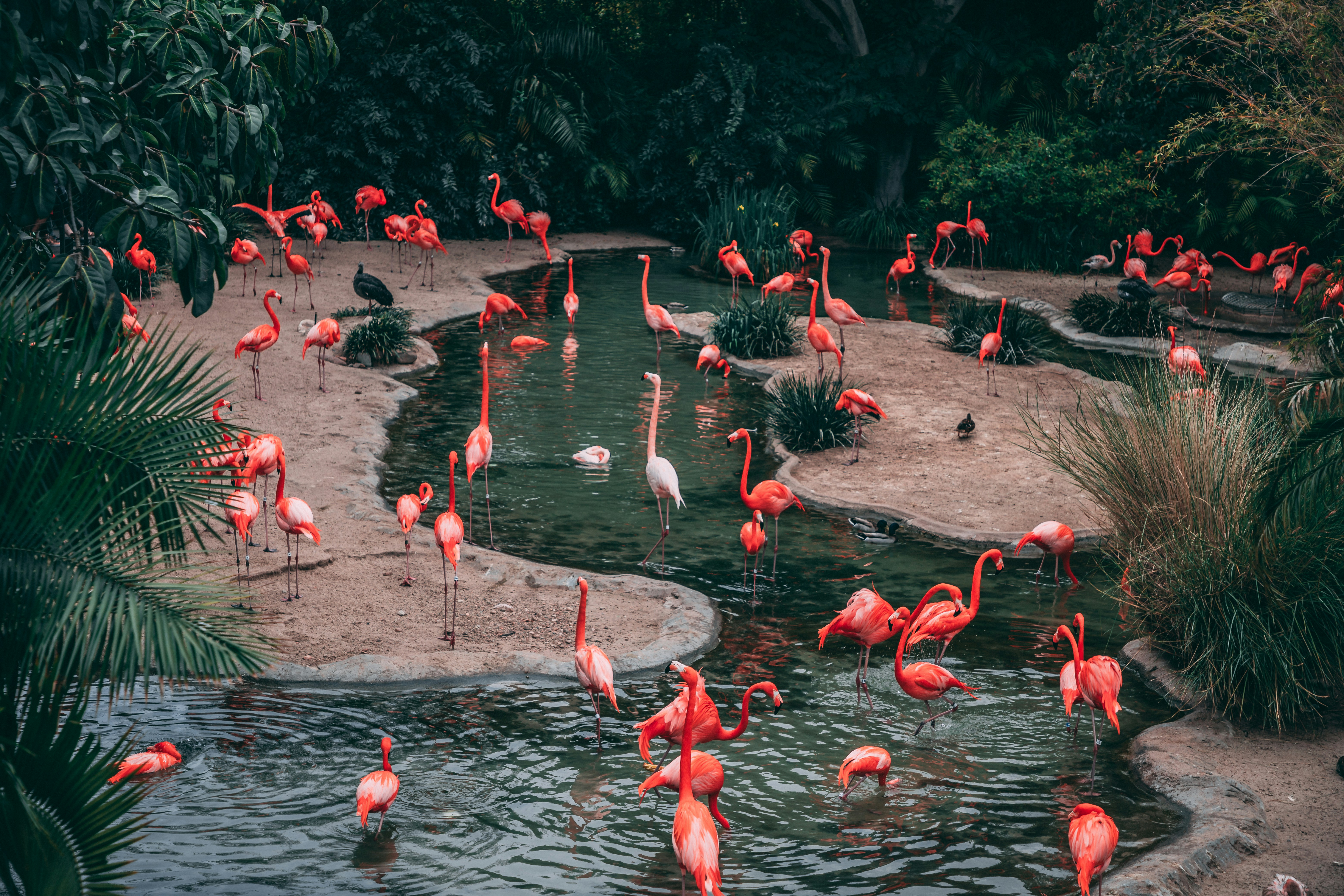
In Northern Tanzania, there’s a lake that truly looks out of this world. Its water is blood red, not just in a poetic sense but in reality. The shoreline is coated in white salt, and the air has a sharp, ammonia like smell. Across the flats, you’ll see the petrified remains of birds and bats, caught mid-flight as if in a dream. This is Lake Natron, one of Tanzania’s most unusual and least visited places.
If you think a Tanzania safari is all about game drives, grasslands, and spotting the Big Five, Lake Natron will change your mind. It’s a different kind of place, stranger, quieter, and in many ways, more haunting than the Serengeti.
Why Is Lake Natron's Water Blood Red?
Lake Natron’s blood red water isn’t caused by dye, pollution, or a trick of the light. It’s a result of biology. The lake is at the southern end of the East African Rift Valley and is fed by hot springs rich in sodium carbonate, an ancient mineral from the volcanic rock below. This creates a very alkaline environment, with a pH that can reach 10.5, similar to ammonia.
In these harsh conditions, almost nothing can survive. But some salt loving microorganisms called haloarchaea do thrive here. Their deep red pigment turns the lake’s surface shades of red, from burnt orange at the edges to bright scarlet in the center. Seen from above, Lake Natron looks like a wound in the earth.
The water’s temperature is another challenge. Near the hot springs, it can reach 60°C (140°F). If you step in without caution, you’ll quickly see why this lake has such a reputation.
Calcified Animals of Lake Natron: Fact, Not Fiction
The calcified animals along Lake Natron’s shores are real, and they are among the most striking sights in Tanzania. Flamingos, bats, swallows, and small birds sometimes wash up on the shore and slowly become encased in a shell of sodium carbonate. The alkaline minerals act as a natural preservative, hardening the tissue before it can decompose.
The result is a collection of mineral cast animals, with wings outstretched or claws curled, preserved just as they were in their last moments. South African photographer Nick Brandt captured these calcified figures in 2013, and his images surprised many people. Still, the lake has been creating these natural sculptures for thousands of years, unnoticed.
It’s important to know that Lake Natron doesn’t kill large numbers of animals directly. Most die after accidentally hitting the mirror-like surface at high speed, confused by the reflection. The calcification happens after death, not as a mass killing. Even so, seeing these figures along the shore is a surreal and quietly unsettling experience in Tanzania.
Surreal Scenery: What Lake Natron Actually Looks Like Up Close
Nothing can really prepare you for the surreal scenery of Lake Natron. The lake is about 57 kilometers long and up to 22 kilometers wide, spanning the border between Tanzania and Kenya. During the dry season, much of the surface becomes covered with salt, and the wind breaks the crust into geometric shapes that shine in the heat.
Behind the lake, Ol Doinyo Lengai rises on the southern horizon. Known as the 'Mountain of God' in the Maasai language, it is one of the world’s only active natrocarbonatite volcanoes. Its lava erupts at a cooler 500°C (most lava is about 1,200°C) and looks almost black in daylight, turning white as it cools and forms carbonates. The mix of the red lake and the dark volcano creates a landscape so extreme it hardly seems real.
Our guides have led treks up Ol Doinyo Lengai for years, starting from the Lake Natron area. These hikes usually begin before dawn so you can reach the crater rim at sunrise. It’s one of the most challenging and rewarding experiences in East African trekking.
Lake Natron's Lesser Flamingos: The Real Reason Most Birds Are Here
Despite its harsh conditions, Lake Natron is one of the world’s most important breeding sites for flamingos. Over 75% of the world’s lesser flamingos are born here. The high alkalinity that makes the lake dangerous for most animals actually protects the flamingos, since predators can’t cross the caustic mudflats to reach their nests.
From August to October, the lake turns pink as hundreds of thousands of lesser flamingos gather to breed. The chicks are born pink and grey, and move across the salt flats in large groups, watched by a few adults. By the time they are ready to fly, they have developed the special bills and salt-resistant legs needed to survive in conditions that would kill most animals in hours.
Seeing a flock of flamingos rise from Lake Natron, forming a pink cloud against the red water and dark volcano, is a sight that leaves people speechless.
Best Time to Visit Lake Natron, Tanzania
Lake Natron is accessible year round, but the experience varies significantly by season.
June to October: Best road conditions, least rain, and high flamingo activity. The lake's red colouration is most vivid. This is peak trekking season for Ol Doinyo Lengai.
January to March: Lesser flamingo breeding peaks. Chick hatching is possible from late January. The lake can be harder to reach after heavy rains, but the wildlife payoff is exceptional.
April to May: Long rains. The dirt roads to Lake Natron can become impassable even in a 4x4. Not recommended for most travellers.
Driving from Arusha to Lake Natron takes about four to five hours on rough dirt roads that pass through Maasai farmland and the Rift Valley escarpment. This trip is not for the unprepared. You need a good 4x4 and an experienced local driver.
What to Know Before You Go to Lake Natron
Experienced travelers and our guides will tell you a few important things before you go:
The roads: Unpaved, corrugated, and subject to flash flooding after rain. You need a proper 4x4, not a standard SUV.
Accommodation: Limited. There are a few tented camps and basic lodges near the lake. Book early. This is not a place with many backup options.
The smell: Hot springs near the lake release hydrogen sulphide. It’s not dangerous in normal amounts, but you will notice it. The alkaline dust can also irritate your eyes and skin, so bring sunglasses and avoid touching your face near the shore.
Photography: Shoot in early morning or late afternoon. Midday heat creates severe haze, and the light bleaches the water's colour. Polarising filters help enormously with reflections.
Respect the ecosystem: The flamingo colonies are sensitive to disturbance. Our guides enforce a strict distance protocol during the nesting season.
Plan Your Visit to Lake Natron with KiliDestination
KiliDestination is a locally owned, non-profit tour operator based in Arusha, Tanzania, and has been operating for years. Our team has guided hundreds of travelers through the Lake Natron area, often combining it with an Ol Doinyo Lengai trek, a Serengeti safari, or a Kilimanjaro climb to create trips that are more than just the usual itinerary.
We know these roads well. We know which camps are worth staying at, which guides are patient enough to wait for the flamingo flocks to settle, and how to time the Ol Doinyo Lengai summit for the best light over the lake. This knowledge comes from a decade of experience in northern Tanzania, not from an online booking site.
If you want to visit Lake Natron, we’d be happy to include it in your itinerary. You can browse our Tanzania safari tours and trekking packages, or contact us directly and we’ll design a trip based on what you want to see. Our vacation packages combine Lake Natron with the Serengeti, Ngorongoro, and Kilimanjaro for a full northern Tanzania experience.
Connect with our team to start planning.
Frequently Asked Questions About Lake Natron, Tanzania
What makes Lake Natron's water turn red?
Lake Natron's blood-red water is caused by salt-loving microorganisms called halophiles, which produce a deep red pigment. These microbes thrive in the lake's extreme alkaline environment, created by high concentrations of sodium carbonate that leach from the volcanic rock of the East African Rift Valley. The colour shifts from orange at the shallow edges to deep crimson at the centre, depending on the season and depth.
Are the calcified animals at Lake Natron real?
Yes, the calcified animals found along Lake Natron's shoreline are real. Birds, bats, and small animals that die in or near the lake are gradually encased in a shell of sodium carbonate minerals, preserving them in their final posture. Most die from striking the mirror flat, reflective surface at speed. The process is natural, slow, and has been occurring at Lake Natron for thousands of years.
Can you swim in Lake Natron?
No, and you wouldn’t want to. Lake Natron’s water can have a pH as high as 10.5, and near the hot springs, temperatures can reach 60°C (140°F). The high alkalinity can harm your skin and eyes. The mineral crust along the shore can also hide soft, unstable mud. Visitors should stay on solid ground, avoid touching the water, and always follow their guide’s advice. This lake is meant to be observed and photographed, not entered.