Ngorongoro Crater Safari vs. Serengeti: Which One Is Right for You?
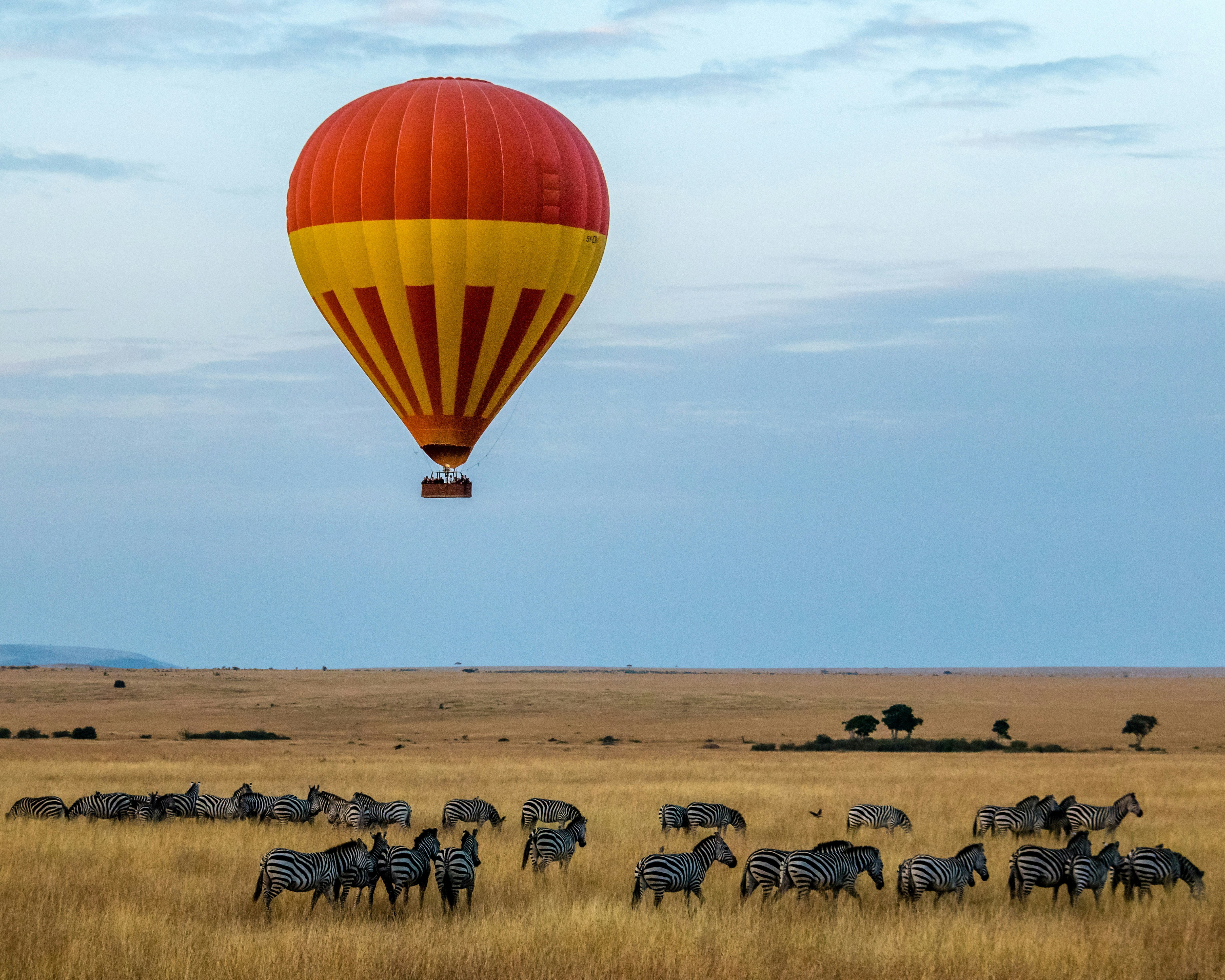
We get asked this all the time: 'Should I visit the Ngorongoro Crater or the Serengeti?' It's a great question. Both are world-class destinations, home to the Big Five, and located in one of the richest wildlife areas on Earth. Still, the experiences are very different, not even close.
If you're trying to choose, this guide is here to help. We'll explain what each place offers, compare them on the things that matter most to travelers, and help you decide which one or both should be in your itinerary.
What Makes a Ngorongoro Crater Safari So Special?
The Ngorongoro Crater is more than just a park. It's a collapsed volcanic caldera about 20 kilometers wide, forming a natural enclosure for an incredible amount of wildlife. Around 25,000 large animals live on the crater floor, including lions, elephants, hippos, zebras, wildebeest, and one of the last stable populations of black rhino in East Africa.
This high concentration of animals is what sets Ngorongoro apart. On a safari here, you head into the crater early in the morning and start seeing wildlife right away. You don't have to drive for hours hoping to spot something. The crater's shape keeps animals close, so game viewing is consistent, reliable, and truly impressive, even on your first visit.
Ngorongoro is also a UNESCO World Heritage Site and a Biosphere Reserve, underscoring its importance to the environment. There are no permanent human settlements on the crater floor, which helps keep the feeling that you’ve entered an untouched world.
Quick note: The Ngorongoro Crater floor is about 1,800 meters above sea level, while the rim is over 2,400 meters. The temperature difference between the rim and the floor is noticeable, so bring a light jacket for the morning descent.
Wildlife in Ngorongoro vs. the Serengeti: An Honest Comparison
Wildlife in Ngorongoro Crater
The wildlife in Ngorongoro is dense and predictable. Because animals don't migrate out (the steep walls act as a natural barrier for most species), you can reasonably expect to see lion, elephant, buffalo, hippo, and black rhino, that's the full Big Five in a single day on the crater floor. Cheetah and leopard are present too, though leopard sightings require some luck.
Ngorongoro doesn’t have the wide open plains of the Serengeti. The crater is much smaller, so game drives feel more personal and focused. During peak season, you’ll be sharing the area with other vehicles, so going early, ideally at 6 AM, really helps.
Wildlife in the Serengeti
The Serengeti offers a completely different experience. It covers 14,750 square kilometers of open savannah, and the animals move across this huge area as the seasons change. The main attraction is the Great Wildebeest Migration: about 1.5 million wildebeest, along with hundreds of thousands of zebras and gazelles, travel in a yearly loop that is truly one of nature’s most amazing sights.
If you're visiting between July and October, the northern Serengeti's Mara River crossings are the stuff of wildlife documentary legend. Outside that window, the southern Serengeti offers calving season from January through March: newborn wildebeest, hunting cheetahs, and an entirely different energy.
You’re also more likely to see big cats in the Serengeti. Lion prides are large, well-known, and used as vehicles. Leopards are spotted more often in the rocky outcrops, called kopjes, than in Ngorongoro. Wild dogs are rare, but sometimes seen in the western part of the park.
Best Time to Visit Ngorongoro Crater
The short answer, the Ngorongoro Crater is worth visiting year-round. Unlike the Serengeti, where timing around the Migration is a major factor, the crater's resident wildlife means good game viewing throughout the year. That said, timing still matters for your overall comfort and experience.
Ngorongoro Dry Season Safari (June to October)
This is the most popular time for a Ngorongoro dry season safari, and it’s easy to see why. The vegetation is low, the crater floor is easily accessible, and animals gather around the watering holes. The weather is dry, and cool mornings on the rim can be chilly, but the crater floor is comfortable for game drives. This season is also perfect for combining Ngorongoro with a northern Serengeti migration safari.
Green Season (November to May)
During the rainy season, the crater becomes lush and beautiful. Birdlife is at its best, with over 500 species recorded, and November through April is the top time for birdwatching. You’ll also see calving wildebeest, and the scenery is perfect for photography. There are fewer visitors and lower prices. April and May are the rainiest months, but the crater is usually still accessible.
Sample Ngorongoro Itinerary: What a Real Day Looks Like
A good itinerary can turn your Ngorongoro trip from just good to truly unforgettable. Here’s what a typical day looks like when you book with KiliDestination:
5:45 AM - Pickup from your lodge on the crater rim. Flask of coffee provided.
6:00 AM - First descent into the crater. This is the best hour: light is golden, most other vehicles haven't arrived yet, and predators are still active from the night.
6:30 AM - First game sightings. Lions are typically near the Lerai Forest or around the hippo pools in the early morning.
8:00 AM - Bush breakfast stops at a designated picnic site on the crater floor, overlooking the soda lake. Flamingos, hippos, and usually a few elephants in the background.
8:30 AM to 12:30 PM - Full crater floor exploration. Your guide will track where the rhinos have been spotted and navigate toward active predator kills if any have been reported.
1:00 PM - Ascent from the crater. Afternoon games drive around the outer conservation area, or rest at your lodge before heading onward.
This is what a 1-day Ngorongoro safari looks like. If you have 2 or 4 days, you can add Tarangire National Park, known for its huge elephant herds and baobab trees, or the Serengeti for a full northern circuit experience.
Ngorongoro + Serengeti: Why the Combination Wins
If your budget allows, the best answer to the 'which one?' The question is to do both. A 4-day northern circuit that includes Tarangire, Ngorongoro, and the Serengeti lets you experience three very different ecosystems, a great chance to see the full Big Five, and both the wide-open plains and the close-up wildlife encounters of the crater. The combined route tells us that Ngorongoro day is their favorite, not because it's bigger, but because the encounter density is unlike anywhere else they've been. The Serengeti offers scale and spectacle; Ngorongoro offers proximity.
If you only have one or two days, Ngorongoro is the better choice for a short trip. The crater almost guarantees you’ll see the Big Five, something the Serengeti, for all its wonders, can’t promise in just one day.
Book Your Ngorongoro Safari Tour with KiliDestination
KiliDestination is a locally owned, non-profit tour operator based in Arusha, the starting point for all northern Tanzania safaris. We’ve offered ethical, expert-guided safaris for years, and our guides grew up in the very landscapes they show you. This isn’t just a slogan; it's what turns a tour into a real learning experience.
We also specialize in combining Kilimanjaro treks with safari add-ons. If you’ve ever wanted to climb Africa’s highest peak and then explore the Ngorongoro Crater, we can create that exact trip for you.
Ready to start planning? Contact our team at kilidestination.com, and we’ll send you a personalized quote within 24 hours.
Frequently Asked Questions
1. How long should I spend on a Ngorongoro Crater safari?
A full day (roughly 6 AM to 1 PM on the crater floor) is the minimum, and it's genuinely enough for outstanding game viewing. If you want a slower pace, a sunrise-and-sunset drive over two days offers a dramatically different experience each time. Most visitors combine Ngorongoro with Tarangire or the Serengeti on multi-day itineraries.
2. Is the Ngorongoro dry season safari really better than the green season?
Better is subjective. The dry season (June to October) offers optimal wildlife visibility, low vegetation, animals clustering around water, and reliable road conditions. The green season (November to May) has fewer crowds, lower prices, superb birdlife, and dramatic landscape photography. If Big Five sightings are your priority, the dry season has a slight edge. If you're after atmosphere, value, and birds, the green season is underrated.
3. Can I see the Big Five in one day at Ngorongoro?
Yes, and it's one of the very few places on Earth where that's a realistic expectation, not just aspirational marketing. The crater's naturally enclosed ecosystem means lion, elephant, buffalo, hippo, and black rhino are all present year-round. Leopards are in the crater too, though sightings depend on luck and timing. Most guests on a full-day Ngorongoro safari tour with us encounter at least four of the Big Five.