Tanzania Night Safari vs. Day Safari: Which One Should You Choose?
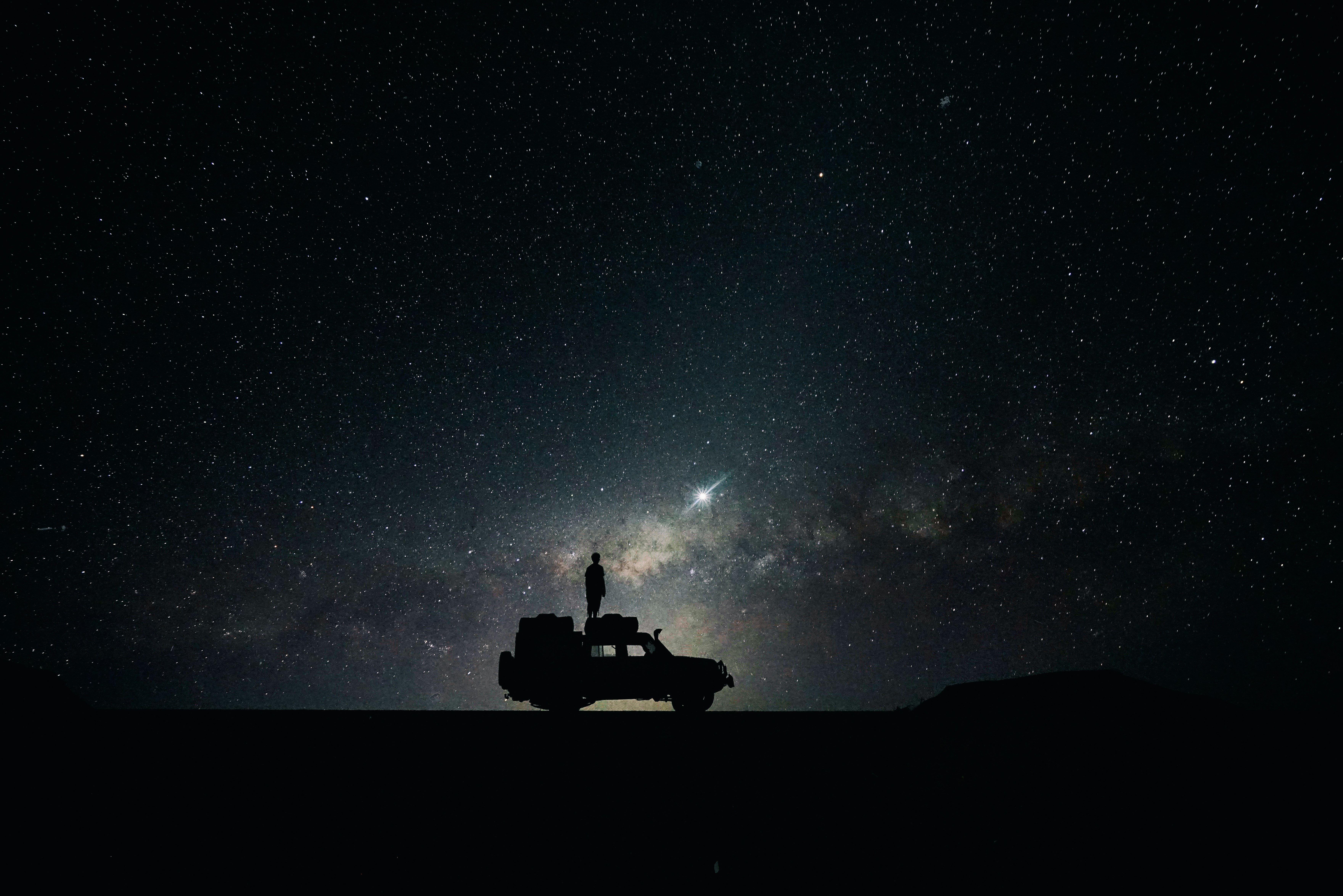
Imagine it’s 6 PM in the Serengeti. Most tour vehicles are heading back to camp, their engines fading into the dusk. But you’re still out there, windows down and engine off, watching a leopard drag its kill up an acacia tree as the sky glows orange and violet. That moment is what a Tanzania night safari is all about.
Most visitors to Tanzania choose a morning or afternoon game drive. It’s fantastic, truly. But if you’ve ever wondered what Africa is like after sunset, and whether it’s worth staying out, this guide will help you decide.
We’ll explain the real differences between a day safari and a Tanzania night safari: what you’ll see, what to expect, how safe it is, and how to choose the best option for your trip.
Day Safari vs. Tanzania Night Safari: The Core Difference
This isn’t really a competition. It’s about what kind of wildlife story you want to share when you return home.
Day safaris run from early morning (around 6 AM) through late afternoon. You’ll catch the golden hour, big cat activity in the cool morning, the heat of midday when animals rest near water, and the late afternoon flurry before dusk. It’s structured, accessible, and absolutely incredible for first-time safari-goers.
A Tanzania night safari begins after dark, usually around 7 PM, and lasts for two to three hours. This is when Africa’s nocturnal animals appear: civets, genets, servals, porcupines, bushbabies, and the mesmerizing glow of many eyes in the spotlight. You might also see lions hunting, hyenas at their best, and sometimes the rarely seen aardvark.
These are two very different ecosystems that share the same land. The savannah at 9 AM and at 9 PM feel like completely different worlds.
Is Tanzania Night Safari Safe?
This is the question we hear most often, and it deserves a clear answer: yes, a Tanzania night safari is safe if you go with a licensed, experienced operator and follow the rules.
Here’s what makes it safe when done right:
You stay inside the vehicle at all times. Always, no exceptions.
Spotlighting is carefully managed. Guides use low-intensity, red-filtered torches that don’t startle animals or harm their vision.
Our guides have years of field experience navigating Tanzania’s parks after dark. We know the terrain, we understand animal behavior, and we are trained to read warning signs before any situation escalates.
Night safari in Tanzania are permitted only in designated zones and parks. Not every park permits night drives, but your guide will know exactly where you can go.
There are some risks on a night safari, and to be honest, they do exist. However, experience and proper procedures almost completely reduce these risks. Amateur operators may cut corners, but professionals like Kilidestination do not. This is why choosing your operator is even more important at night than during the day.
The wildlife can be unpredictable. But so can a thunderstorm in the Serengeti in February. Experienced guides have handled both.
African Night Sky Stargazing Safari: The Bonus Nobody Talks About
Here’s something the brochures understate: Tanzania’s night sky is extraordinary.
Far from city lights, in the Serengeti or Ngorongoro, the Milky Way is not just a faint blur. It becomes a river of light so dense and bright that it almost looks unreal. An African night sky stargazing safari is not a gimmick. It is truly one of the most awe-inspiring experiences you can have on this continent.
During a night drive, your guide will often stop the vehicle in a clearing, turn off the engine, and let the silence and stars speak for themselves. The Southern Cross, Scorpius, and the Magellanic Clouds are just some of the constellations in the Southern Hemisphere sky over Tanzania that most visitors from the Northern Hemisphere have never seen in person.
Some of our guests have told us the stargazing moment hit harder than the Big Five sighting. We believe them.
If you’re planning a Tanzania night safari during the clear-sky season, be sure to set aside time for a real stargazing stop. Bring your camera, a wide-angle lens, and a tripod to capture photos you’ll want to frame.
Best Time for Night Safari in Tanzania
The best time for night safari in Tanzania is during the dry season, which runs from late June through October. Here’s why this window is ideal:
Animals congregate around permanent water sources, making them easier to locate after dark.
The skies are clearer, which is crucial for stargazing.
Vegetation is thinner, improving visibility through the spotlight.
Roads are in better condition, which is especially important at night.
That said, Tanzania’s shoulder seasons, like January, February, and November, can also offer spectacular night drives. The short rains in November bring newborn animals, and predators are aware of this. January and February are peak months for big cats in the Serengeti, so night hunts are common during those months.
What to avoid: the heavy, long rains from March through May. Night drives during this time are difficult due to deep mud and flooded tracks, and some parks completely close access. The wildlife remains, but the experience is much harder to enjoy.
Our honest recommendation: If you can choose your travel dates, aim for July through September. You’ll see more animals during the dry season, enjoy clear skies for stargazing, and have comfortable temperatures after dark.
Tanzania Night Safari: What to Expect
If you’ve never done a night drive before, knowing what to expect on a Tanzania night safari will help you make the most of it.
The Vehicle and Setup
You’ll ride in a proper 4x4 safari vehicle, which may be open-sided or have a pop-up roof depending on the park and season. Guides use handheld spotlights, slowly scanning the bush so you can spot the reflective glow of animal eyes before you see the animal itself.
What Animals You’re Likely to See
Predators actively hunting: lions, leopards, cheetahs (early evening), spotted hyenas
Nocturnal specialists: African civet, serval cat, genet, honey badger, aardvark (rare but possible)
Smaller mammals: spring hares, porcupines, lesser galagos (bushbabies)
Owls and nightjars. Tanzania is home to over 30 owl species.
Hippos grazing away from water. They only do this after dark.
What the Experience Feels Like
It’s quieter, more intense, and more intimate. During the day, the landscape feels vast and open. At night, the spotlight narrows your view to a cone of light, and whatever steps into that light feels close, real, and thrilling. You also notice sounds more: the whooping of hyenas across the plain, the distant grunt of a lion, and other noises that daytime activity usually hides.
Dress in layers because temperatures drop a lot after sunset, especially at higher elevations near Ngorongoro. Bring a good headlamp (use red mode once you’re on the drive), your camera with a fast lens or high ISO, and plenty of patience. Night wildlife doesn’t follow a schedule.
So, Which Should You Choose?
Honestly? Both, if you can swing it.
A day safari lets you see the full landscape, bird life, dramatic morning light, and the vastness of Tanzania’s wilderness. A Tanzania night safari offers predator hunts, rare nocturnal animals, and a stargazing experience that can change how you see the world.
If you’re limited to one, here’s a simple framework:
First-time Tanzania visitor with limited time: Do the day safari. Master the basics, get the Big Five, fall in love.
If you’re a return visitor or wildlife enthusiast, the night safari is your next adventure. You’ve seen Tanzania during the day—now experience the side most people never see.
For photographers, a night safari needs different gear and techniques, but the photos you get are truly unique. Make sure to research your camera setup before you go.
Families with young children: Check park-specific age restrictions for night drives. Some parks require a minimum age.
Book Your Tanzania Night Safari with KiliDestination
KiliDestination has been running safaris in Tanzania for years. We are a locally owned, non-profit tour operator based in Arusha. Every booking supports local guides, local families, and long-term conservation in the ecosystem we call home.
Our guides grew up in these landscapes. They know where the leopards' den is. They know which clearings give the clearest night sky. They know when to cut the engine and let the silence speak.
Whether you want to add a single-night Tanzania night safari to your trip or plan a fully custom multi-day experience, we design it for you. Our Tanzania vacation packages range from 1-day Ngorongoro or Tarangire safaris starting at $300 to 6-day Great Migration expeditions. Every package can be customized to include a night drive in a permitted zone.
There is no generic experience here. We don’t do cookie-cutter things. Contact us, tell us what you want to see, and we’ll build the itinerary that gets you there.
Frequently Asked Questions
Is the Tanzania night safari safe for solo travelers and families?
Yes, a Tanzania night safari is safe when run by a licensed, experienced guide in a permitted park zone. You stay inside the vehicle the whole time, and professional operators use responsible spotlighting that doesn’t disturb the animals. Solo travelers and small groups often find the night safari more intimate and rewarding than a crowded daytime game drive. Families should check minimum age requirements with their operator, as some parks have age limits for night drives.
What is the best time for a night safari in Tanzania to see predators?
The best time for a night safari in Tanzania to see predators is during the dry season from July to October. Prey animals gather around water sources, attracting lions, leopards, and hyenas to predictable hunting areas. January and February are also great for big cat activity in the Serengeti, as this is when wildebeest calving season happens, one of nature’s most dramatic predator-prey events. Avoid the long rainy season from March to May, when road conditions are tough, and animals are more spread out.
What should I expect on an African night sky stargazing safari in Tanzania?
An African night sky stargazing safari in Tanzania gives you some of the clearest, darkest skies in the world. Far from city lights, you’ll see the Milky Way in amazing detail, along with southern constellations like the Southern Cross and Scorpius that can’t be seen from the Northern Hemisphere. During a night game drive, guides usually stop in open clearings for a special stargazing break, turning off the engine and lights. Bring a wide-angle camera lens and a tripod if you want to try astrophotography. The dry season from June to October has the best conditions, but any clear night offers a sky you won’t forget.