Kilimanjaro Altitude Sickness: Prevention, Symptoms, and What Your Guide Should Be Doing
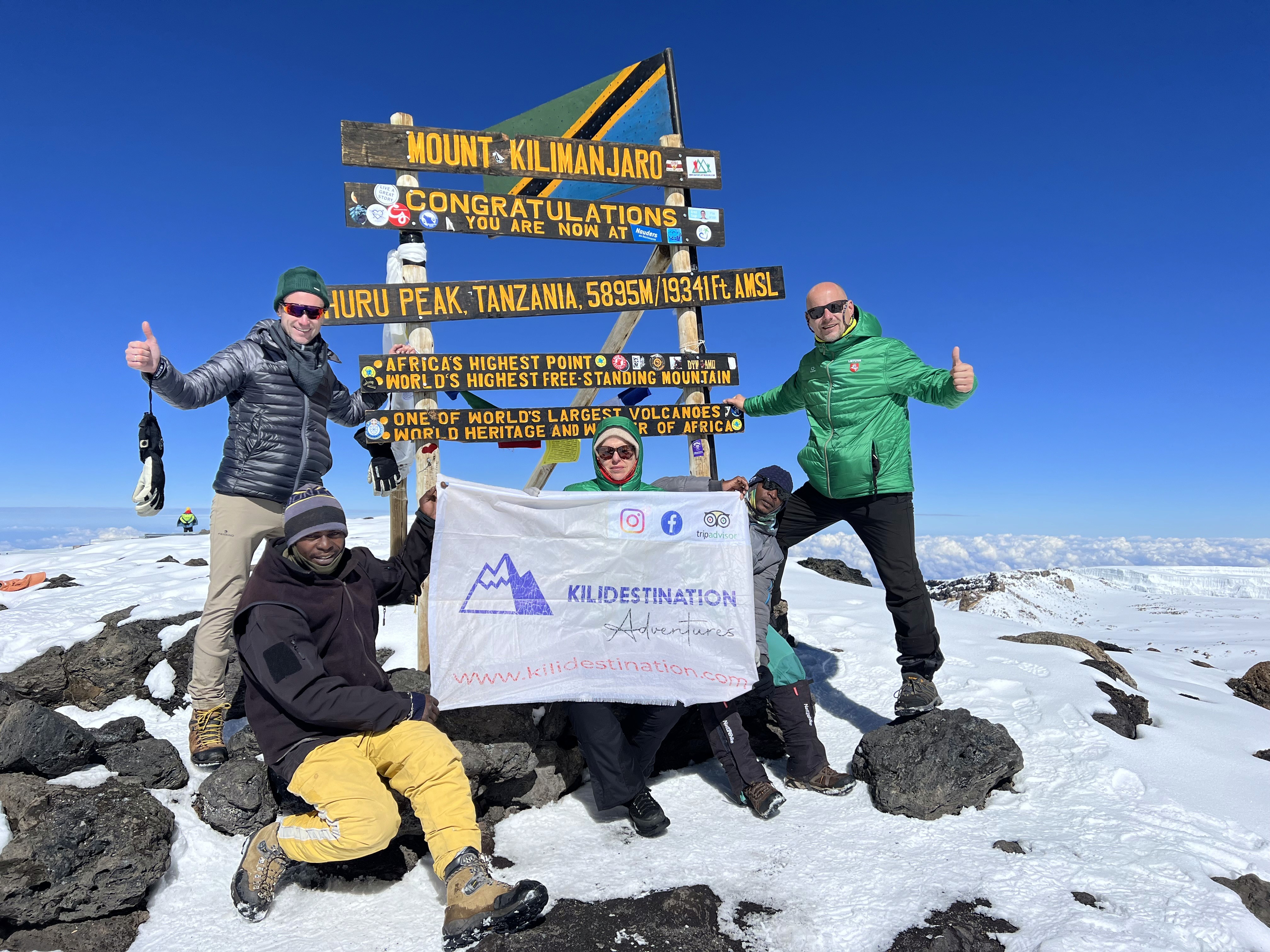
Altitude sickness is the single biggest reason people fail to summit Kilimanjaro. Not fitness. Not motivation. Not weather. Altitude. The mountain rises from tropical farmland at 1,800 meters to the summit at 5,895 meters, and your body was not designed to function at the oxygen levels found above 4,000 meters. Understanding how altitude affects you, how to minimize its impact, and when to make the difficult decision to descend is not optional knowledge. It is essential.
I want to be direct about something: altitude sickness is not a sign of weakness, poor fitness, or inadequate preparation. Olympic athletes get altitude sickness. Marathon runners get altitude sickness. The physiological response to reduced oxygen is partly genetic and partly influenced by acclimatization strategy, and neither factor respects how many hours you spent in the gym.
What Actually Happens to Your Body at Altitude
At sea level, atmospheric pressure pushes oxygen efficiently into your bloodstream through your lungs. Each breath delivers the oxygen your muscles, brain, and organs need. As you ascend, the percentage of oxygen in the air stays the same (21%), but the atmospheric pressure drops. At Kilimanjaro's summit, air pressure is roughly half of sea level, meaning each breath delivers roughly half the oxygen your body is accustomed to receiving.
Your body responds to this deficit through a cascade of adaptations. Your breathing rate increases to pull in more air. Your heart rate increases to circulate blood faster. Your kidneys excrete bicarbonate to make your blood more acidic, which triggers your hemoglobin to release oxygen more readily. Your bone marrow ramps up red blood cell production to carry oxygen more efficiently. These adaptations are real and measurable, but they take time. Typically 48 to 72 hours to begin and several weeks to complete fully.
The fundamental problem with Kilimanjaro is that you are asking your body to adapt in 5 to 9 days to conditions that ideally require weeks of gradual exposure. This is why route choice and acclimatization strategy matter so much. You are racing against your own biology.
The Three Forms of Altitude Sickness
Acute Mountain Sickness (AMS): The Common One
AMS affects 40 to 60% of Kilimanjaro climbers to some degree. Symptoms typically begin above 3,000 meters and include headache (the hallmark symptom, often a persistent pressure behind the forehead), nausea and loss of appetite, fatigue and weakness, dizziness and lightheadedness, and difficulty sleeping. Mild AMS is uncomfortable but manageable. Most climbers push through it with hydration, rest, slow pacing, and paracetamol or ibuprofen for headaches.
Mild AMS becomes concerning when symptoms worsen rather than stabilize over 24 hours, when headaches become severe and unresponsive to painkillers, when vomiting prevents adequate hydration, or when the climber shows difficulty thinking clearly or walking steadily. These signs indicate progression toward moderate AMS and require a halt in ascent, additional acclimatization time, and possibly descent.
The Lake Louise Acute Mountain Sickness Score is the standard assessment tool used by quality operators. It rates headache, nausea, fatigue, dizziness, and sleep quality on a numerical scale. Scores of 3 to 5 indicate mild AMS (continue with monitoring). Scores of 6 to 8 indicate moderate AMS (halt ascent, consider descent). Scores above 8 require descent.
High Altitude Pulmonary Edema (HAPE): The Lung Emergency
HAPE occurs when fluid accumulates in the lungs due to altitude-induced changes in pulmonary blood vessel pressure. It is less common than AMS (affecting roughly 0.5 to 2% of climbers above 4,000 meters) but far more dangerous. HAPE can develop over 2 to 5 days at altitude and can progress rapidly once symptoms appear.
Symptoms of HAPE include: persistent cough, initially dry, then possibly producing frothy or pink-tinged sputum. Extreme breathlessness even at rest or while lying down. Chest tightness or a feeling of congestion. Gurgling or crackling sounds when breathing (audible without a stethoscope in advanced cases). Blue discoloration of lips or fingertips (cyanosis). Rapid heart rate. Extreme fatigue disproportionate to exertion.
The only effective treatment for HAPE is immediate descent. Supplemental oxygen can stabilize the patient during descent. Nifedipine is sometimes administered to reduce pulmonary pressure. But descent itself is non-negotiable. If your guide identifies HAPE, the climb is over. No summit is worth the risk.
High Altitude Cerebral Edema (HACE): The Brain Emergency
HACE occurs when fluid accumulates around the brain. It is the rarest form of altitude sickness on Kilimanjaro but the most immediately life-threatening. HACE typically develops from untreated severe AMS and represents a medical emergency.
Symptoms of HACE include: severe headache completely unresponsive to medication. Confusion, disorientation, or inability to answer simple questions (what day is it, where are you). Loss of coordination (ataxia), tested by the heel-to-toe walk test. Hallucinations or irrational behavior. Inability to walk without stumbling. Altered consciousness progressing toward unconsciousness.
HACE can progress from early symptoms to incapacitation within hours. The treatment is the same as HAPE: immediate descent and emergency evacuation. HACE is why quality operators carry emergency oxygen, portable stretchers, and communication equipment on every single climb.
How to Prevent Altitude Sickness on Kilimanjaro
Choose a Longer Route (Most Effective Strategy)
A 7-day route gives your body 40% more acclimatization time than a 5-day route. An 8-day route gives 60% more. The data is unambiguous: summit success rates on 8-day Lemosho routes exceed 90%, while 5-day Marangu routes sit at approximately 60%. The difference is almost entirely attributable to acclimatization time. Compare Kilimanjaro route options to find the right duration.
Walk Slowly. Then Walk Even More Slowly.
Pole pole (Swahili for slowly slowly) is the most practical altitude sickness prevention technique. Walking slowly reduces oxygen demand, lowers heart rate, and gives your body time to process reduced oxygen with each step. Most first-time climbers walk too fast during the first two days when they feel strong, burning energy reserves they need for summit night. Your guide will set a pace that feels absurdly slow. Trust it. The pace is keeping you alive.
Hydrate Aggressively
Dehydration amplifies altitude sickness symptoms and impairs acclimatization. The standard recommendation is 3 to 4 liters of water per day on the mountain. Your urine should be clear to pale yellow. Dark yellow means dehydration that needs immediate correction. Many operators provide treated water at camps, and hydration bladders with insulated tubes make continuous sipping easy while walking.
Eat Even When You Do Not Want To
Appetite suppression is one of the first altitude effects, creating a vicious cycle: eat less, less energy, more struggle, feel worse, eat even less. Breaking this requires deliberate effort. Eat at every meal, even small amounts. Carbohydrate-rich foods are most efficient at altitude because they require less oxygen to metabolize. This is one reason food quality matters when choosing your operator: appetizing food encourages eating even when your appetite has vanished.
Consider Diamox (Acetazolamide)
Diamox is a prescription medication that accelerates acclimatization by increasing breathing rate and promoting bicarbonate excretion. It genuinely helps your body adapt faster rather than masking symptoms. Common side effects include tingling in fingers and toes, increased urination, and metallic taste with carbonated beverages. Dosage is typically 125mg to 250mg twice daily, starting 24 hours before ascent.
Diamox is not required. Many climbers summit without it. For climbers on shorter routes (5 to 6 days) or with altitude sensitivity history, it provides a meaningful safety margin. Consult your doctor, particularly if you have sulfa allergies or kidney issues.
Additional Prevention Strategies
Avoid alcohol for 48 hours before and during the trek. Alcohol dehydrates you and impairs the respiratory response to altitude. Save the celebration beer for after you descend.
Avoid sleeping pills. Some sleep medications depress breathing during sleep, which worsens oxygen deprivation at altitude. If you struggle to sleep (which is normal above 4,000m), accept it rather than medicating.
Consider pre-trek acclimatization. Arriving in Arusha (1,400m) 2 to 3 days before your trek allows your body to begin adapting before you start climbing. An Arusha National Park excursion provides gentle activity at moderate altitude.
Climb high, sleep low whenever possible. This principle means ascending to a higher altitude during the day for acclimatization exposure, then descending to a lower camp for sleep. The Machame and Lemosho routes build this into their itineraries automatically through the Lava Tower day.
What Your Guide Should Be Doing About Altitude Sickness
This is where operator quality becomes a literal safety issue. A quality guide from an operator like KiliDestination Adventures performs specific monitoring protocols:
Twice-daily pulse oximetry. Blood oxygen saturation (SpO2) measurement using a portable pulse oximeter. Normal sea-level SpO2: 95 to 100%. At 4,600m camp: 75 to 85% is typical. Below 70% at camp altitude or a sudden 10+ point drop from the previous reading indicates inadequate acclimatization.
Lake Louise Score assessment. Standardized questionnaire rating headache, nausea, fatigue, dizziness, and sleep quality. Administered each evening and morning.
Tandem gait test. The heel-to-toe walk test detects early cerebellar dysfunction, a HACE precursor. If a climber cannot walk heel-to-toe in a straight line, neurological impairment requires immediate attention.
Continuous behavioral observation. Experienced guides watch for subtle signs: a climber who stops talking, who stumbles more than usual, who seems confused by simple questions. These behavioral changes often precede the climber's own awareness of worsening symptoms.
Emergency equipment on every climb. Portable oxygen, pulse oximeter, first aid kit, stretcher, and communication equipment. The best operators have pre-arranged evacuation protocols with vehicle support at lower gates.
When to Turn Back
No guide wants to tell a climber to descend. The climber has spent months planning, thousands of dollars, and possibly years dreaming. But a responsible guide makes the call when continuing poses genuine health risk. This decision-making ability is why guide experience matters more than any other factor in operator selection.
Descent is indicated when: AMS symptoms worsen despite rest and hydration. SpO2 drops below 65% at any altitude. Signs of HAPE appear (persistent cough, breathlessness at rest, chest gurgling). Signs of HACE appear (confusion, loss of coordination, altered consciousness). Vomiting prevents adequate hydration. In all cases, descent of 500 to 1,000 meters produces rapid improvement. Most climbers feel dramatically better within hours of descending.
The hardest part of the descent decision is that it is almost always made at night, often on summit night itself, when the climber is exhausted, cold, and emotionally invested in reaching the top. Quality guides are trained to make this call clearly and compassionately, prioritizing the climber's life over their expectations.
Frequently Asked Questions About Altitude Sickness
Can I prevent altitude sickness completely?
You can minimize it through proper acclimatization, hydration, pacing, and Diamox, but you cannot guarantee prevention. Individual susceptibility varies, and even experienced high-altitude climbers occasionally experience AMS.
Does fitness prevent altitude sickness?
No. Physical fitness helps with trekking demands but does not protect against altitude illness. Very fit climbers sometimes fare worse because they push harder than their acclimatization allows.
How common is altitude sickness on Kilimanjaro?
Mild AMS affects 40 to 60% of climbers. HAPE and HACE affect less than 1% on well-managed treks with quality operators.
Should I take Diamox?
Consult your doctor. Diamox is helpful for shorter routes (5 to 6 days) or climbers with altitude sensitivity. It genuinely accelerates acclimatization rather than masking symptoms.
What happens if I get sick on summit night?
Your guide assesses symptoms in real time. Mild AMS may allow slow continuation. Moderate or severe symptoms require descent to a lower camp. This decision-making is why guide quality matters. KiliDestination trains guides in altitude medicine and carries emergency oxygen on every climb. Learn about their safety approach.
How quickly does altitude sickness resolve with descent?
Most climbers feel significantly better within 2 to 4 hours of descending 500 to 1,000 meters. AMS symptoms often resolve completely within 12 to 24 hours at lower altitude.
For more Kilimanjaro preparation resources, visit the KiliDestination blog. Explore Tanzania safari options for the perfect post-trek recovery. Contact the team for route recommendations.