Tanzania Wildlife Safari for First-Time Africa Visitors: Your Complete Guide to African Safari Tours, Tanzania
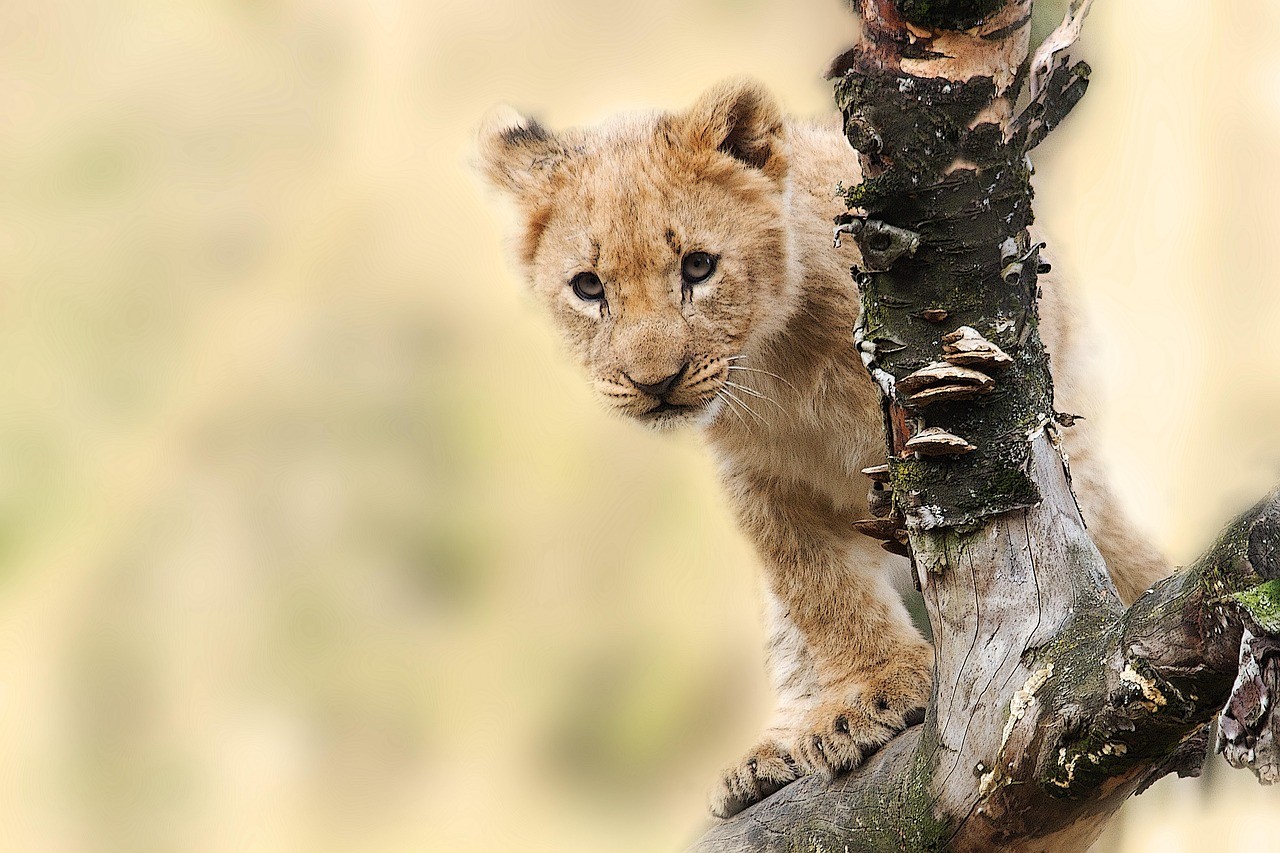
So, you’ve decided to go for it. Africa has been on your mind, and now you’re ready to make it happen. Still, planning your first African safari can feel overwhelming. Where do you begin? Which country should you choose? Which parks are best? Will you really see lions, or will they stay hidden in the tall grass?
Take a deep breath. You’re exactly where you need to be.
If you’re visiting Africa for the first time and want unforgettable wildlife experiences, Tanzania is a great choice. This East African country offers some of the most accessible, diverse, and truly amazing safaris you’ll find. Let’s go over what you need to know about Tanzania’s safari tours and why it’s such a smart pick for your first trip.
Why Tanzania Safaris Are Perfect for First-Timers
One thing people don’t always mention is that not every African country is equally easy for first-time safari travelers. Some places need a lot of planning, have tricky logistics, or require long journeys that can feel stressful if you’re new to this.
Tanzania stands out from the rest.
The northern safari circuit, which covers Serengeti National Park, Ngorongoro Crater, Tarangire National Park, and Arusha National Park, is very well set up for visitors. The roads and facilities are reliable, the guides know their stuff, and there are more animals here than almost anywhere else in Africa. You won’t spend hours searching for wildlife; the animals are easy to find and often right out in the open.
Tanzania is especially good for first-timers because there’s so much variety in a small area. In just a few days, you can see wide open plains, old volcanic craters, green forests, and wetlands full of birds. Each place has its own animals and a unique feel. It’s almost like taking several safaris in one trip.
What You'll Actually See on African Safari Tours, Tanzania
Let’s get into the details, since you probably want to know what animals you will actually see.
The Big Five
Lion, leopard, elephant, buffalo, and rhinoceros are the Big Five. Tanzania is one of the rare places where you can realistically see all five on one trip. Ngorongoro Crater has so many animals that your chances of seeing them are very good. Tarangire is full of elephants, sometimes in massive herds of 200 or more. The Serengeti has plenty of lions, and black rhinos can be found in Ngorongoro Crater.
The Great Migration
If you can plan your trip at the right time, seeing the Great Migration in the Serengeti is a once-in-a-lifetime experience. More than two million wildebeest, zebras, and gazelles travel together, following the rains. The river crossings, where thousands of animals must face crocodile-filled waters, are among the most dramatic scenes in nature.
There’s so much more to see. Cheetahs chasing prey on the plains, hippos relaxing in muddy pools, giraffes standing tall against the sunset, and hyenas calling out at night. You might also spot hundreds of flamingos turning the lakeshores pink. The variety of wildlife is truly amazing.
Best Parks to Visit on Your Tanzania Safari
Every park in Tanzania has its own highlights. Knowing what makes each one unique, it will help you plan a trip that fits what you want to see and do.
Serengeti National Park
This park is the top attraction. Its endless plains, amazing predator sightings, and the Great Migration make it famous for a reason. Skipping the Serengeti on a Tanzania safari would be like going to Paris and missing the Eiffel Tower.
Ngorongoro Crater
A UNESCO World Heritage Site. It is like a natural zoo. This ancient volcano has formed a unique ecosystem where about 25,000 large animals live all year. The crater floor is only about 260 square kilometers, so animals are easy to spot. Many first-time visitors get their most memorable photographs.
Tarangire National Park
This national park is famous for its massive elephant population and iconic baobab trees. If elephants are your priority, this park delivers. It's also less crowded than the Serengeti, offering a more intimate safari atmosphere.
Arusha National Park
It is great if you don’t have much time or want an easy start to your safari adventure. It’s just outside Arusha city, making it perfect for day trips, and you’ll see everything from lakes and forests to volcanic craters.
How Long Should Your First Tanzania Safari Be?
People ask this all the time, and the real answer depends on your budget and how much time you have. Here’s what I suggest for first-time visitors:
For most people, 4-5 days is ideal. That’s enough time to see 2 or 3 parks without feeling rushed. You’ll really get to experience the wildlife and scenery without spending all your time in a car.
If you’re short on time, 2-3 days can still give you a great experience. You can visit Tarangire and the Ngorongoro Crater, which together offer a wide variety of wildlife.
If you want to see the Great Migration or just take things slow, 6 or more days is best. A longer trip means less time driving each day and more chances to really explore each park.
What to Expect on Your First Safari Day
Here’s what a typical safari day looks like. Knowing what to expect can help you feel more comfortable.
You’ll wake up early, around 5:30 or 6 AM, since animals are most active in the cool morning. After a quick breakfast, you’ll go on a game drive that usually lasts 3 to 4 hours. Your guide will know where to find the animals, using recent sightings and their experience.
Midday is usually a break. Animals rest in the shade, and it’s a good time for you to do the same. You’ll have lunch, maybe take a nap, or just listen to the sounds of the African bush.
In the late afternoon, you’ll head out for another game drive that lasts until sunset. This is when predators start to move, and it’s also the best time for those beautiful golden-hour photographs you see in documentaries.
Evenings are for relaxing around the campfire or at your lodge, sharing stories with fellow travelers and thinking about all you’ve seen. After dinner, you’ll probably sleep better than you have in a long time.
Practical Tips for First-Time Safari Visitors
What you wear is more important than you might expect: neutral colors like khaki, olive, brown, and beige help you blend in. Avoid bright whites and blues, since they can scare animals. Dress in layers, as mornings are cool, but it gets hot by midday.
Bring your own binoculars. Your guide will have a pair, but having your own means you can look wherever and whenever you like. Even a basic pair will make your safari much better.
When it comes to cameras, you don’t need fancy gear. Most smartphones take great wildlife photos these days. If you bring a camera, a zoom lens of at least 200mm is helpful, but it’s not required.
Always respect the wildlife. Your guide will keep a safe distance, but remember, these are wild animals. Stay in the vehicle unless your guide says it’s okay. Stay quiet when watching animals, and never feed or try to touch them.
Be open to surprises. Sometimes you’ll watch a pride of lions sleeping for an hour. Other times, you might suddenly see a cheetah hunting. Safari is unpredictable, and that’s what makes it special.
The Best Time to Visit Tanzania for Safari
Tanzania offers year-round safari opportunities, but timing affects what you'll experience.
June to October
The dry season is usually the best time for safaris. Plants are less dense, so animals are easier to spot, and they gather around water sources. This is also when the Great Migration moves through the northern Serengeti and Masai Mara.
January to March
This is another great time to visit. After the short rains, the landscape is green and full of life, and many animals have babies. The calving season in the southern Serengeti, especially in February, is amazing to see.
November and April-May
These months are the rainy seasons. Some lodges close and roads can be tricky, but if you’re flexible, you’ll find fewer crowds and better prices.
Book Your Tanzania Vacation Packages with KiliDestination
If you’re still reading, you’re clearly serious about planning this trip. Picking the right company for your first African safari is really important.
KiliDestination has been running safaris in Tanzania for over a decade now. As a local company, we treat our guides as more than just staff. We grew up exploring these places and truly enjoy sharing them with guests. We offer vacation packages from single-day trips to week-long adventures, covering the Serengeti, Ngorongoro Crater, Tarangire, and more.
What makes us different is our personal touch. We’ll help you create a trip that fits your interests, schedule, and budget. Whether you want to see the Great Migration, focus on photography, or just enjoy Tanzania’s wildlife without the stress of planning, we can help.
Your first African safari should be unforgettable for all the right reasons. With skilled local guides, reliable vehicles, and real care for guests and wildlife, KiliDestination can make that happen.
Ready to start planning? Contact us to take the first step toward an adventure you’ll remember for years to come.
Frequently Asked Questions
Is Tanzania safe for first-time safari visitors?
Yes, Tanzania is known as one of the safest countries in Africa for tourists. The northern safari circuit has good roads, experienced guides, and comfortable places to stay. Just follow basic travel advice: listen to your guide, stay in your vehicle during game drives, and keep a safe distance from wildlife. The country is politically stable and has a strong tourism industry, so visitors are well taken care of. Every year, thousands of first-time safari travelers visit Tanzania without any problems.
How much does a Tanzania safari cost?
Safari prices depend on how long you stay, where you sleep, and the time of year. Budget camping trips start at about $150 to $200 per person per day. Mid-range lodges cost $250 to $400 per day, while luxury options can be $600 to $1,000 or more per day. These prices usually cover your stay, meals, transport, park fees, and guide.
What vaccinations do I need for Tanzania?
You’ll need a yellow fever vaccination if you’re coming from a country where yellow fever is common. Other recommended (but not required) vaccines include hepatitis A, hepatitis B, typhoid, and routine shots like tetanus and measles. Malaria prevention is strongly advised, so talk to your doctor about medicines like Malarone or Doxycycline. Visit a travel clinic 4-6 weeks before your trip to discuss what’s best for you based on your travel plans and health history.