Kilimanjaro National Park Rules & Regulations: What Every Climber Must Know Before Their Tanzania Safari Tour
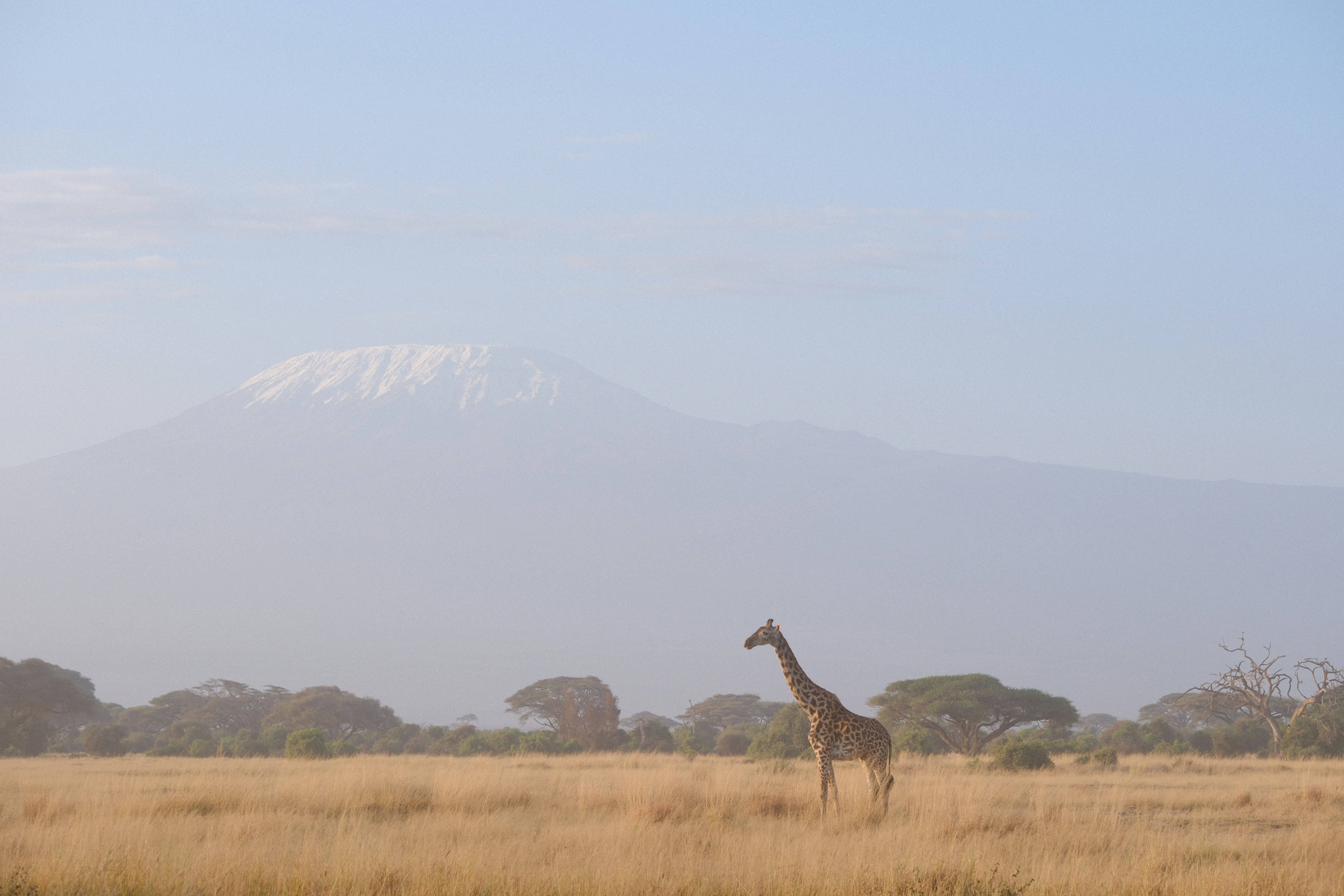
Every Kilimanjaro climb has a moment, usually around 4,000 metres, when the air thins, the landscape feels otherworldly, and the summit is still a day away. At that point, you’ll be grateful you prepared well. The rules and regulations of Kilimanjaro National Park are there for this reason: not to cause unnecessary hassle, but to keep you safe, protect one of Africa’s most remarkable ecosystems, and ensure the mountain remains for future climbers.
If you’re planning a Tanzania safari tour that includes a Kilimanjaro climb, and honestly, combining the two creates one of the best African adventures, it’s important to understand the park’s requirements before you arrive. This will help you avoid unexpected costs, logistical problems, and possible dangers on the mountain.
So let’s walk through everything you need to know. No jargon, no padding, just the real information that will help you climb smarter.
Entry Requirements for Tanzania Safari Tours, Including Kilimanjaro
You Must Be Accompanied by a Licensed Guide at All Times
This is non-negotiable and the most important rule on the mountain. Solo climbing is strictly prohibited in Kilimanjaro National Park. Every climber must be accompanied by a KINAPA (Kilimanjaro National Park Authority) licensed guide from the moment they enter the park gate to the moment they exit.
This isn’t just about following rules. The mountain has claimed lives, including experienced trekkers who underestimated altitude sickness, became separated from their groups, or faced sudden weather changes that turned a clear afternoon into a whiteout in just a few hours. Your guide is more than a navigator; they are your first line of safety.
Beyond guides, all climbing groups must also employ registered porters and cooks through licensed operators. This serves a dual purpose: it keeps climbers safe and supported, and it ensures that the local communities around Moshi and Arusha benefit economically from the mountain they’ve lived beside their entire lives.
Park Fees And Why They’re Non-Negotiable
Kilimanjaro National Park charges a series of fees that every climber must pay. As of recent regulations, these include:
Conservation fee (per day, per person)
Camping/hut fee (depending on your chosen route)
Rescue fee (mandatory; more details below)
Guide and porter fees
These fees are paid through your licensed operator and should be clearly included in your climb package. If an operator gives you a price that seems too low and doesn’t cover these costs, that’s a serious warning sign. Cutting corners on park fees is not just illegal; it usually means someone, often the porter, is not getting paid.
Always ask your operator for a full fee breakdown before booking.
Route Rules and Regulations on Tanzania Safaris Up Kilimanjaro
Choose Your Route And Respect Its Minimum Day Requirements
Kilimanjaro trek has seven official climbing routes, each with different landscapes, difficulty levels, and scenery. The major routes are Marangu, Machame, Lemosho, Rongai, Shira, Umbwe, and the Northern Circuit. Each has a minimum number of days mandated by KINAPA, and these minimums are not optional.
The Marangu route requires at least five days. Machame and Rongai require at least six. Lemosho and the Northern Circuit, which are the longest and most gradual routes, require at least seven to eight days. These minimums are set for altitude acclimatization. Your body needs time to adjust to the thinner air, and rushing the climb is a leading cause of failed summits and medical emergencies.
Operators who offer “four-day Kilimanjaro climbs” are either working outside official regulations or operating on routes that don’t safely support that timeline. Either way, approach those offers with extreme caution.
Camping and Sleeping Arrangements
All overnight accommodation on the mountain must be in designated campsites or mountain huts. Wild camping, or pitching a tent wherever you want, is strictly forbidden. This rule protects the environment. Kilimanjaro’s five vegetation zones, from dense rainforest at the base to the arctic summit plateau, are fragile ecosystems that have taken centuries to form. Keeping camping in specific areas helps preserve the rest of the mountain.
On the Marangu route, climbers stay in mountain huts with dormitory-style accommodation. On all other routes, tent camping in designated sites is standard. Hut space on Marangu is limited and must be booked in advance through your operator, so don’t assume there will be space available.
Environmental Rules Every Climber Must Follow
Leave No Trace: This Is Law, Not Suggestion
Kilimanjaro National Park operates under strict Leave No Trace principles that carry real penalties. These include:
No littering is allowed, anywhere, at any time. All waste, including food packaging, water bottles, broken trekking poles, and everything else, must be carried out of the park. Your porter team is responsible for waste removal, and their bags are weighed at the gate upon entry and exit. Leaving rubbish on the mountain is a serious offence, and rangers do check.
No open fires are allowed outside designated areas. Fires are only permitted at specific fire sites at lower-altitude campsites. Above the treeline, open fires are completely banned due to fire risk and the lack of wood to burn. Cooking is done on portable stoves provided by your operator.
Do not pick plants, remove rocks, or disturb wildlife. The mountain’s flora, including the unique giant groundsels and lobelias of the moorland zone that look almost otherworldly, is protected. Even taking a small rock as a souvenir is a violation of park rules. Leave everything as you found it.
Human waste must be disposed of in designated toilet facilities. Proper pit latrines or toilet tents are set up at all campsites. Using the open mountain as an outdoor bathroom is prohibited for both hygiene and environmental protection.
Plastic Bags Are Banned
Tanzania banned single-use plastic bags several years ago, and this rule is strictly enforced in Kilimanjaro National Park. Do not bring plastic bags in your gear. Instead, use stuff sacks, dry bags, or reusable containers. Rangers at the park gates will confiscate plastic bags, which can cause delays and uncomfortable situations at the start of your climb.
Safety Regulations You Must Take Seriously
The Mandatory Rescue Fee and What It Covers
Every climber pays a mandatory rescue fee when entering the park. This fee supports the Kilimanjaro Mountain Rescue team, a highly trained and experienced group that operates on the mountain year-round. They handle everything from altitude-related medical emergencies to injuries and help climbers who get separated from their groups in bad weather.
This fee is required, and it’s one of the most important parts of your park fees. Altitude sickness, which can range from mild Acute Mountain Sickness to the potentially fatal High Altitude Pulmonary Edema (HAPE) or High Altitude Cerebral Edema (HACE), can affect even fit, experienced trekkers. The rescue team can reach most campsites within hours, and their presence is one reason Kilimanjaro is considered a relatively accessible high-altitude climb, despite its serious elevation.
Age Restrictions
According to KINAPA regulations, the minimum age for climbing Kilimanjaro is 10 years old. Climbers under 16 need written consent from a parent or guardian. There is no official upper age limit. People in their seventies and eighties have reached the summit, but climbers of all ages should have a thorough medical check before attempting the climb.
Alcohol and Medication
There are no rules against bringing alcohol on the mountain, but using it is strongly discouraged, especially above 3,000 metres. Alcohol dehydrates you and makes it harder for your body to adjust to the altitude, which are two things you really want to avoid. Your guide may mention this, and it’s important to take their advice seriously.
Medications like Diamox (acetazolamide) are commonly used for altitude acclimatization and are not prohibited, but should be discussed with a doctor before your climb and disclosed to your guide.
Porter Welfare: A Rule That Matters Ethically
KINAPA sets minimum standards for porter welfare that licensed operators must follow. These include minimum weight limits (no porter should carry more than 20kg of client gear), minimum wage requirements, and provisions for adequate shelter, food, and clothing at altitude. The Kilimanjaro Porters Assistance Project (KPAP) works alongside the park authority to monitor compliance.
When you book a Tanzania safari tour that includes Kilimanjaro, ask your operator directly about their porter welfare policy. Operators who follow these standards and treat their staff with respect run better, safer, and more professionally managed climbs. It’s the right thing to do, and it also makes practical sense.
Plan Your Kilimanjaro Climb with Kilidestination
If you’ve read this far, you’re clearly someone who does careful research before making decisions. That’s exactly the kind of climber who has a great experience on Kilimanjaro.
Kilidestination offers fully compliant, expertly managed Tanzania vacation packages that take the complexity out of planning and put the adventure back in. Their Kilimanjaro climb packages include all mandatory park fees, licensed KINAPA guides, properly compensated porter teams, and full logistical support from Arusha to the summit and back.
Our Tanzania vacation packages can also be combined. You can pair a Kilimanjaro climb with a safari through the Serengeti, Ngorongoro Crater, or Tarangire, and return home having experienced the best of Tanzania. From summit to savannah, few countries in Africa can compare.
Contact our team to start planning. We will handle the regulations, logistics, and permits, so you can focus on reaching the roof of Africa.
Frequently Asked Questions
Q: Do I need travel insurance to climb Kilimanjaro as part of a Tanzania safari tour?
Yes, and your insurance must specifically cover high-altitude trekking and emergency evacuation. Standard travel insurance often excludes anything above 3,000 or 4,000 metres, so much of the Kilimanjaro climb may not be covered. Read your policy carefully and look for specialist trekking or adventure travel insurance that covers up to 5,895 metres (the summit elevation of Kilimanjaro). Your operator should also confirm this before your climb.
Q: What happens if I get altitude sickness on the mountain?
Our guides are trained to recognize and respond to altitude sickness symptoms, which can range from common headaches and nausea to more serious signs of HAPE or HACE that require immediate descent. In serious cases, your guide will start a descent right away and contact the mountain rescue team if needed. The mandatory rescue fee you pay at the gate covers this service. This is why rushing the climb and skipping acclimatization days is so risky. Descending is always the right treatment for serious altitude sickness, but it’s much better to avoid the problem by climbing slowly and carefully.
Q: Can I climb Kilimanjaro year-round, or are there restricted seasons?
The mountain is open all year, but some times are better for climbing than others. The two main dry seasons, from January to mid-March and June to October, offer the most stable weather, clear summit views, and the best conditions. The long rains (April to May) and short rains (November) bring more rain, muddier trails, and lower visibility. Some climbers prefer the quieter, rainy months for the solitude and lush greenery at lower elevations. A good Tanzania vacation package from Kilidestination can help you choose the best time for your travel plans and summit goals.