Tanzania Safari Health Guide: What Every Visitor Should Know Before Their Trip
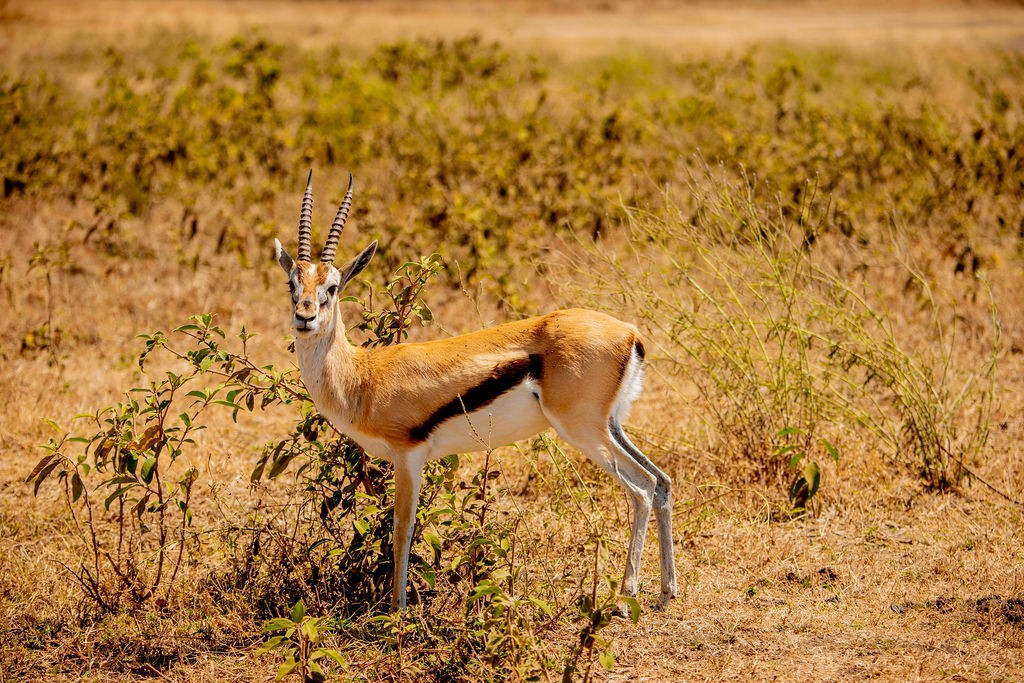
A safari in Tanzania is a once-in-a-lifetime experience. Whether you're exploring the Serengeti, visiting the Ngorongoro Crater, or discovering Tarangire National Park, proper health preparation can help ensure a safe and enjoyable adventure.
Do You Need Vaccinations?
Most travelers do not require mandatory vaccinations to enter Tanzania when arriving directly from Europe, North America, or many other countries. However, several vaccinations are commonly recommended, including:
Hepatitis A
Hepatitis B
Typhoid
Tetanus booster
If you are arriving from or transiting through a country with a risk of Yellow Fever, you may be required to present a Yellow Fever vaccination certificate.
Before traveling, consult your healthcare provider or a travel clinic for personalized advice.
Malaria Prevention
Malaria is present in some parts of Tanzania, particularly in lower-altitude safari regions. Fortunately, the risk can be significantly reduced by taking simple precautions.
Travelers should consider:
Using mosquito repellent
Wearing long sleeves and trousers during the evening
Sleeping in mosquito-protected accommodations
Consulting their doctor about preventive medication
Many safari lodges and camps also take additional measures to reduce mosquito exposure for their guests.
Staying Healthy on Safari
Safaris often involve long hours outdoors, making hydration especially important. Drink plenty of bottled or purified water throughout your trip.
To protect yourself from the African sun, pack:
A hat
Sunglasses
Sunscreen
Lightweight, breathable clothing
Good hand hygiene and drinking safe water can also help prevent common travel-related illnesses.
With proper preparation, you can focus on enjoying Tanzania's spectacular wildlife, breathtaking landscapes, and unforgettable safari experiences.