Mount Kilimanjaro Health Guide: Preparing for a Safe and Successful Summit
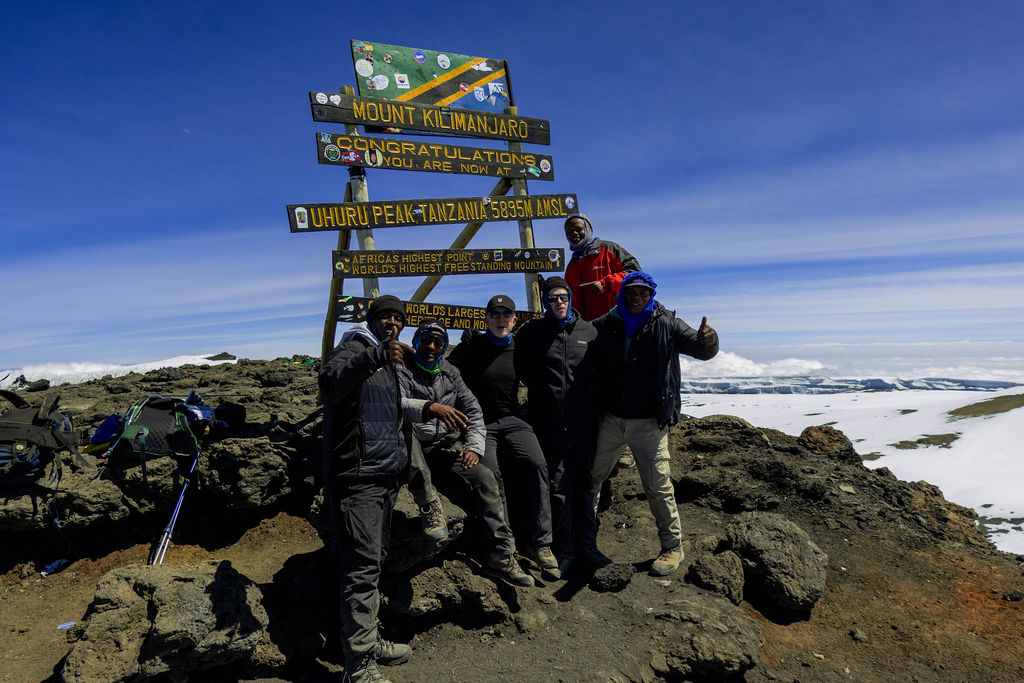
Climbing Mount Kilimanjaro is one of the world's greatest trekking adventures. Standing at 5,895 meters (19,341 feet), Africa's highest mountain attracts thousands of climbers every year. While no technical climbing skills are required, proper health preparation is essential for a safe and successful ascent.
Understanding Altitude Sickness
Altitude sickness is the most common health challenge faced by Kilimanjaro climbers. It can affect anyone regardless of age, fitness level, or previous trekking experience.
Common symptoms include:
Headache
Fatigue
Dizziness
Nausea
Difficulty sleeping
Recognizing symptoms early and communicating with your guides is extremely important.
How to Reduce Your Risk
The best protection against altitude sickness is proper acclimatization.
To improve your chances of reaching the summit:
Choose a route with sufficient acclimatization days
Walk slowly and maintain a steady pace
Stay well hydrated
Eat regularly during the trek
Follow your guide's instructions
Many climbers underestimate the importance of pacing. On Kilimanjaro, slow and steady is often the key to success.
Physical Preparation
Although Kilimanjaro is a non-technical mountain, good physical fitness makes the climb more comfortable and enjoyable.
Before your trek, focus on:
Regular walking or hiking
Cardiovascular exercise
Strengthening your legs and core
Practicing longer hikes with a daypack
Preparation several weeks before your climb can significantly improve your overall experience.
Essential Health Tips
Pack any personal medications you may need and inform your guides about relevant medical conditions before the trek begins.
It is also recommended to bring:
Sunscreen
Lip balm
Sunglasses
Reusable water bottles
Basic personal first-aid supplies
Final Thoughts
Climbing Mount Kilimanjaro is a remarkable achievement that requires preparation, patience, and determination. By understanding altitude sickness, staying hydrated, and following your guides' recommendations, you can maximize both your safety and your chances of reaching Uhuru Peak.
At KiliDestination, our experienced mountain team is committed to helping climbers enjoy a safe, rewarding, and unforgettable Kilimanjaro experience from start to finish.