Mount Meru vs Kilimanjaro: Which Peak Should You Beat?
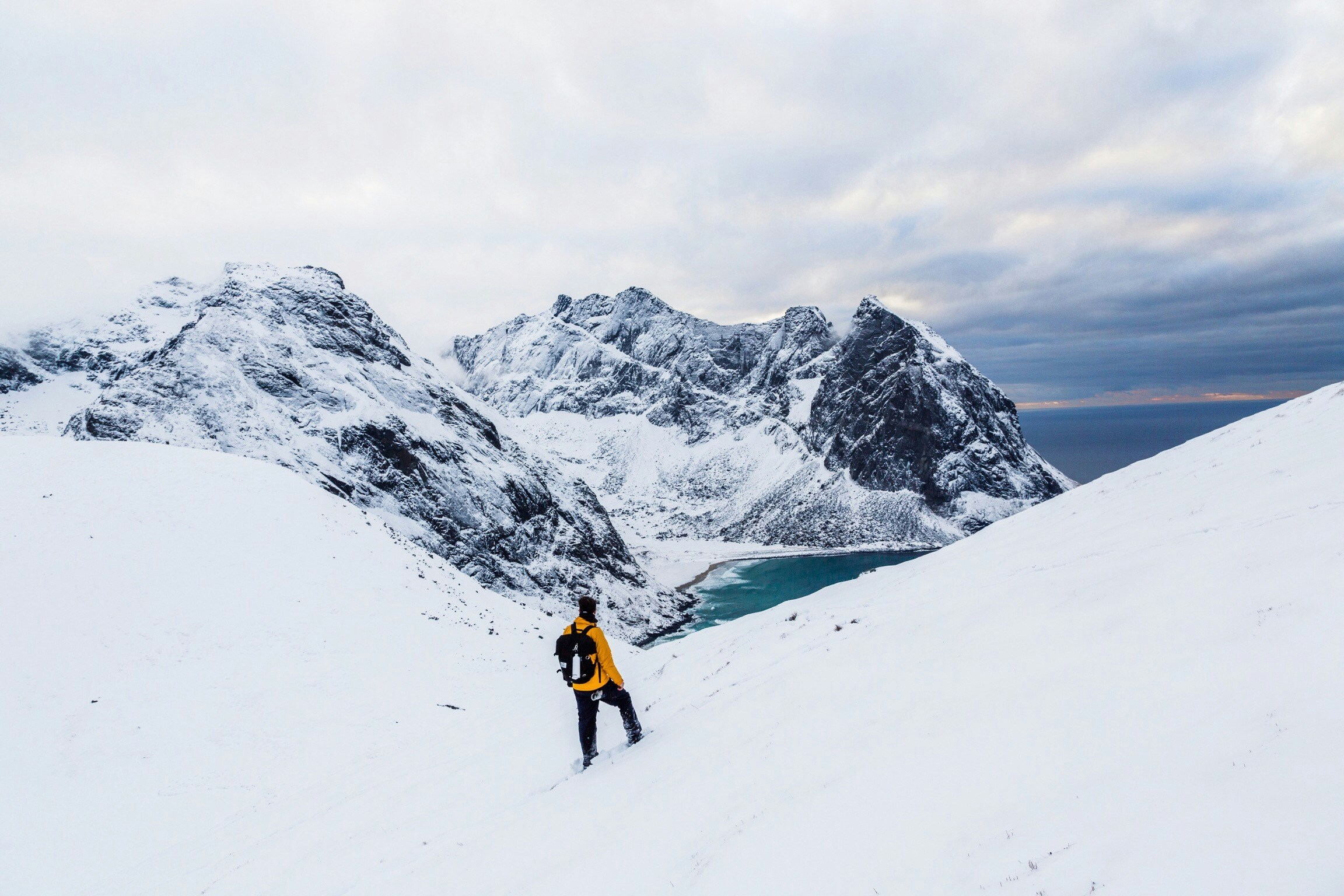
When thinking of a Tanzania trekking adventure, the very first thought that crosses everyone’s mind is conquering the Roof of Africa. Mount Kilimanjaro is a bucket-list icon, a global magnet for adventurers, and one of the Seven Summits. However, standing in its shadow is a rough, dramatic, and arguably more beautiful peak that often gets overlooked: Mount Meru.
For the undecided trekker, the debate of Mount Meru vs Kilimanjaro is a classic David vs. Goliath story. Is the fame of Kilimanjaro worth the crowds? Is Meru just a warm-up, or a beast in its own right?
We help you break down the differences in difficulty, scenery, wildlife, and cost to help you decide which mountain belongs on your itinerary or why you might just want to climb both.
The Stats: The Roof of Africa vs. The Volcanic Gem
Before diving into the experience, let’s look at the raw numbers.
Mount Kilimanjaro | Mount Meru |
|---|---|
An endurance marathon through changing climate zones | A steep, scenic sprint with abundant wildlife |
5,895 meters (19,341 ft) high | 4,562 meters (14,967 ft) high |
The Highest free-standing mountain in the world | Tanzania's second-highest mountain. |
Duration: 5 to 9 days (depending on the route) | Duration: 3 to 4 days. |
Difficulty and Terrain: Endurance vs. Agility
A common misconception is that Climbing Mount Meru is easy because it is lower. This couldn't be further from the truth. In fact, many experienced guides will tell you that Meru is steeper and more technical.
Trekking Kilimanjaro: The Mental Battle
Kilimanjaro is primarily a walk-up. You don't need technical climbing skills, but you do need iron-clad endurance. The challenge here is the altitude; spending days above 4,000 meters taxes your body, making the final push to Uhuru Peak a battle of willpower against thin air. The paths are generally wide and well-trodden.
Climbing Mount Meru: The Physical Challenge
Meru is steeper. The ascent involves hiking through forest mud, navigating narrow ridges, and some light scrambling near the summit. The Cobra Profile of the mountain means you gain altitude quickly. While you don't hit the extreme altitude of Kili, your legs will feel the burn of the incline. For hikers who hate crowds and love a physical challenge, Meru is perfect.
Winner for Bragging Rights: Kilimanjaro.
Winner for Steep Adventure: Mount Meru.
Scenery and Wildlife: The Safari Trek
This is where the Mount Meru vs Kilimanjaro debate gets interesting because Meru is located inside Arusha National Park, it offers a completely different visual experience.
Meru: The Walking Safari
On the lower slopes of Meru, you aren't just hiking; you are on a walking safari. It is mandatory to trek with an armed ranger because you will likely encounter giraffes, buffalo, warthogs, and elephants. As you ascend, the view of the horseshoe-shaped crater and the ash cone is dramatic and prehistoric. Additionally, the view of Kilimanjaro from the summit of Meru at sunrise is arguably the best view in all of Africa.
Kilimanjaro: The Climate Tour
Trekking Kilimanjaro is like walking from the Equator to the North Pole in a week. You start in a humid rainforest, move through heath and moorland, cross a lunar-like alpine desert, and finish in an arctic zone with permanent glaciers. The wildlife is scarce higher up, but the geological scale and the feeling of being on top of the world are unmatched.
Winner for Wildlife: Mount Meru (hands down).
Winner for Ecological Diversity: Kilimanjaro.
Crowds and Solitude
If you seek silence and solitude, this factor might make your decision for you.
Kilimanjaro: As a world-famous destination, the popular routes (like Machame and Marangu) can be busy. In high season, you will share camps with dozens of other groups.
Mount Meru: It is the quiet sibling. You can often hike for hours without seeing another group. The huts (Miriakamba and Saddle Hut) are less chaotic, and the summit moments are often shared with just your guide and a handful of others.
Acclimatisation for Kilimanjaro: A Solid Strategy
Why choose one when you can do both? This is the pro-tip that savvy trekkers use to increase their summit success rate.
Climbing Mount Meru is the gold standard for acclimatisation for Kilimanjaro. By spending 3-4 days at altitude on Meru and summiting at 4,562m, your body produces the extra red blood cells needed for high elevation.
The Strategy:
Climb Mount Meru (3 or 4 days).
Take 1-2 rest days in Arusha or Moshi.
Start your Kilimanjaro trek.
Trekkers who go for this often find the first few days of Kilimanjaro incredibly easy. They suffer fewer headaches, sleep better, and have a significantly higher success rate reaching Uhuru Peak.
Cost Comparison
Budget is often a deciding factor in a Tanzania trekking holiday.
Kilimanjaro: Due to high park fees (Rescue fees, Camping/Hut fees, Conservation fees) and the requirement for a large crew (porters, cooks, guides) for 6+ days, Kili is an investment. Prices generally range from $1,800 to $4,000+.
Mount Meru: With lower park fees, no tent crews required as you stay in dormitory huts, and a shorter duration, Meru is significantly more affordable, often costing 30-40% of a Kili climb.
Why Choose KiliDestination for Your Trek?
Whether you choose the Roof of Africa or the Volcanic Gem, who you climb with matters more than the mountain itself. KiliDestination is your premier local partner for safe, ethical, and unforgettable treks.
100% Local Expertise
We are Tanzanian-owned and operated. We don't outsource. When you book with us, you are supporting the local economy directly. Our team knows every rock and ridge of both mountains.
The Kelvin Effect
Our head guide, Kelvin, is a legend in the trekking community. With over a decade of experience on both Meru and Kilimanjaro, he brings a level of safety and calm that transforms a difficult trek into a joy. Kelvin and his team are trained Wilderness First Responders who know how to pace a group with Pole Pole to ensure everyone makes it to the top safely.
Ethical Porter Treatment
We are proud members of the ethical trekking community. We ensure our porters, the true heroes of the mountain, are paid well above industry standards, fed nutritious meals, and provided with proper gear. Happy crews lead to happy climbers, after all.
Ready to choose your peak? Whether you want the bragging rights of Kilimanjaro or the wild beauty of Meru, KiliDestination is ready to lead the way. Fill out the form to plan your trek with Kelvin and the team!
Frequently Asked Questions
Is Mount Meru harder than Kilimanjaro?
Technically, yes. Mount Meru is steeper and involves some scrambling, whereas Kilimanjaro is mostly walking. However, Kilimanjaro is considered "harder" overall due to the extreme altitude, colder temperatures, and longer duration, which wears you down physically.
Can I climb Mount Meru and Kilimanjaro in one trip?
Absolutely, and we highly recommend it! A popular itinerary is a 12-day trip: Arrival (1 day), Meru Climb (3 days), Rest (1 day), Kilimanjaro Climb (6-7 days). This Meru-Kili Combo gives you the best wildlife, scenery, and acclimatisation.
Do I need technical climbing gear for Meru?
No. Like Kilimanjaro, Mount Meru is a non-technical trek. You do not need ropes, crampons, or ice axes. However, you do need good hiking boots with ankle support, trekking poles, highly recommended for the steep knees, and proper layers for the cold summit night.