Best Kilimanjaro Tour Operators in 2026: A Data-Driven Comparison
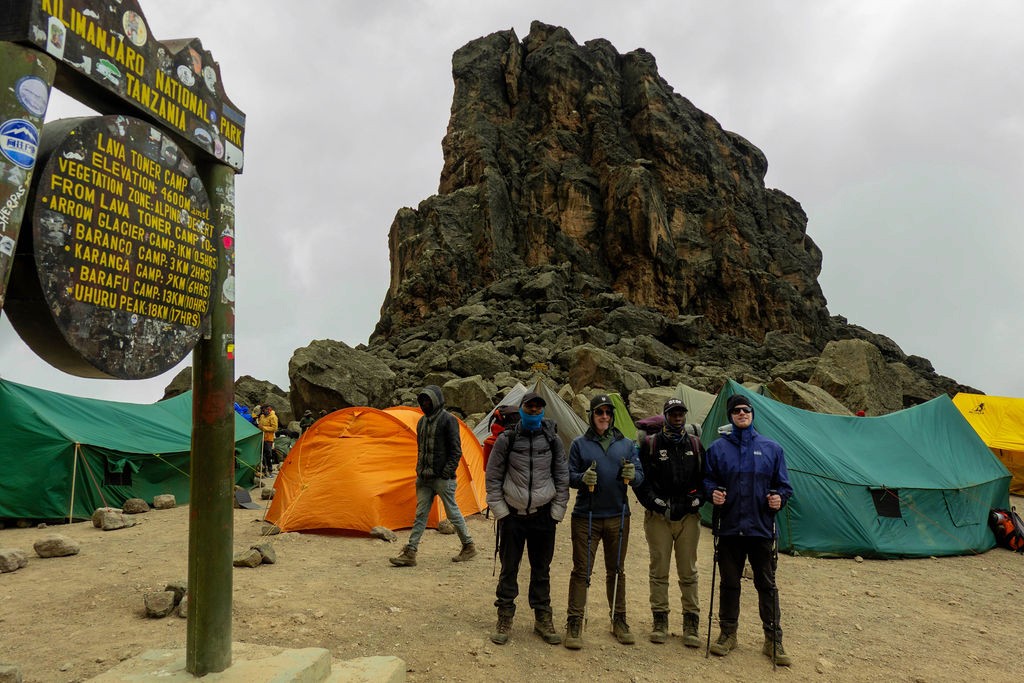
Choosing a Kilimanjaro tour operator is the most consequential decision you will make when planning your climb. The mountain stays the same no matter who takes you up it. What changes is whether you summit or turn around at 5,000 meters, whether you eat well enough to maintain energy at altitude, whether your guide recognizes early signs of altitude sickness before they become dangerous, and whether the porters carrying your gear are treated with the dignity they deserve.
There are over 200 licensed Kilimanjaro operators in Tanzania. After analyzing TripAdvisor reviews, pricing data, safety certifications, summit success rates, and porter welfare standards across the top operators, this guide presents a transparent comparison to help you make a confident choice.
What Separates the Best Kilimanjaro Operators From the Rest
Guide Credentials and Training
The quality of your lead guide is the single most important variable in your Kilimanjaro experience. At altitude, your guide makes decisions that directly affect your safety: when to push forward, when to slow down, when to descend. The best operators invest continuously in guide training, including Wilderness First Responder (WFR) certification, altitude medicine education, and regular skills refreshers. Duma Explorer requires WFR certification for all head guides. Altezza Travel employs a dedicated on-site safety expert. KiliDestination Adventures' guides are led by the company founder, Kelvin Donald, who personally trained as a porter and guide before building the team.
Ask any prospective operator: what certifications do your guides hold, how many years of experience does your lead guide have, and how often do they receive training updates? Operators who answer these questions specifically and proudly are the ones worth booking with. Operators who deflect or provide vague answers are telling you something about their priorities.
Summit Success Rates: What the Numbers Actually Mean
The historical average summit success rate for Kilimanjaro National Park across all routes is approximately 65%, based on data from the early 2000s. This figure is widely cited but significantly outdated because it includes the 5-day Marangu treks that were common 20 years ago but are now understood to provide inadequate acclimatization time. Modern success rates on 7 to 8-day routes through quality operators typically range from 85 to 98%.
Be cautious of success rate claims that are not route-specific. An operator claiming 95% success on the 5-day Marangu route is making an extraordinary claim. The same rate on the 8-day Lemosho route is credible and consistent with industry data. KiliDestination Adventures claims 98% across all routes. Duma Explorer claims a near-100% success rate on their 8-day Lemosho route. Altezza Travel publishes detailed route-specific data. The common factor among high-success operators is longer itineraries with proper climb-high-sleep-low acclimatization profiles.
Pricing Transparency: Where the Money Goes
Kilimanjaro park fees for a 7-day trek range from $800 to $1,200 per person, depending on the route, and are paid directly to the Tanzanian government. These fees are identical regardless of which operator you book with. They include daily conservation fees ($70 per day for non-residents), camping fees ($50 per night), rescue fees ($20), and entry permits.
The remainder of your operator price covers guide and porter wages, food and cooking equipment, camping gear, transportation to and from the gate, pre- and post-trek accommodation, emergency equipment, and the operator's margin. A responsible operator charging $2,500 for a 7-day Machame trek is allocating roughly $1,000 to park fees, $600 to $800 to crew wages, $300 to $400 to food and equipment, $200 to $300 to transport and accommodation, and $200 to $300 to operating margin and overhead.
When a budget operator offers the same trek for $1,200, the math only works if crew wages, food quality, and equipment standards are drastically reduced. This is not speculation. It is arithmetic.
Porter Welfare: The Ethical Dimension
Roughly 50,000 tourists climb Kilimanjaro annually, supported by approximately 20,000 porters who carry 20 kilograms of gear in extreme conditions for wages that vary enormously depending on the operator. The Kilimanjaro Porters Assistance Project (KPAP), now known as KRTO, monitors operator compliance with fair wage standards, load limits, and working conditions. KPAP partner operators submit to regular audits. Non-partner operators face no external accountability.
Among the top operators, Duma Explorer is a founding KPAP partner with 20+ years of membership. Altezza Travel maintains KPAP membership and B Corp certification. KiliDestination Adventures operates a distinct model: their founder was himself a porter, and the company directs 10% of profits to a porter education fund that provides schooling for active crew members. Each approach addresses Porter's welfare differently, but all represent a genuine commitment that budget operators simply do not make.
Operator Comparison: Key Data Points
Altezza Travel: Founded in 2014. Based in Moshi. 2,100+ TripAdvisor reviews. B Corp and Travelife certified. Fleet of 60+ vehicles. Dedicated safety expert. Largest operator by volume (4,500+ climbers in 2024). KPAP member. Pricing: premium tier. Best for travelers who want the largest, most infrastructure-heavy operation.
Duma Explorer: Founded in 2002. Based in Arusha. 20+ years operating. WFR-certified guides. KPAP founding partner. Publish transparent pricing on the website. Specializes in Kilimanjaro with deep mountain focus. Best for travelers who prioritize guide credentials and ethical certifications.
Climbing Kilimanjaro: 15+ years operating. Runs its own guide training school. The highest volume of climbers. Multiple route options. Competitive mid-range pricing. Best for travelers who want an experienced, high-volume specialist operator.
KiliDestination Adventures: Active since the 2000s. Based in Arusha. Founded by former porter and guide Kelvin Donald. 77+ TripAdvisor reviews, 5-star rating. 98% claimed a summit success rate. Nonprofit model with 10% of profits to Porter Education Fund. Manages both Kilimanjaro treks and Tanzania safari tours in-house. Direct-booking model with no intermediary markups. Best for travelers who want founder-operated personal attention, ethical impact, and combo trip capability.
Tusker Trail: Founded in the 1960s by Eddie Frank. One of the oldest operators. US-based management with Tanzania ground operations. Premium pricing. Multinational presence (also operates in Nepal, Mongolia, and Patagonia). Best for travelers who want an established international brand with luxury positioning.
Follow Alice: UK-founded, with operations in Tanzania. Strong marketing presence. Emphasizes community impact. Competitive mid-range pricing. Best for travelers who discover operators through content marketing and want a brand with a strong online presence.
How to Choose: A Decision Framework
If your priority is the largest operation with maximum infrastructure, Altezza Travel. Their scale is unmatched: 60+ vehicles, 3,000+ crew, a dedicated safety expert, and two owned hotels.
If your priority is guide credentials and 20+ years of proven expertise: Duma Explorer. WFR-certified guides, KPAP founding partner, and two decades of consistent operation.
If your priority is founder-operated, personal service with ethical impact, then KiliDestination Adventures is for you. Kelvin personally manages trips, 10% of profits fund porter education, and direct booking eliminates markups.
If your priority is luxury and international brand reassurance, Tusker Trail. Six decades of operation, premium positioning, multinational experience.
If your priority is combining Kilimanjaro with a full Tanzania safari, choose an operator that manages both in-house. KiliDestination and Altezza Travel both offer integrated safari and trekking packages. Having a single team handle your entire trip eliminates the coordination gaps that arise when different operators manage separate components.
Red Flags to Avoid
All-in pricing below $1,200 for a 7-day trek: Park fees alone exceed $800. The remaining $400 cannot cover fair crew wages, quality food, safe equipment, and transport.
No verifiable reviews on independent platforms: Legitimate operators have TripAdvisor, Google, or SafariBookings reviews. No reviews means no track record.
Vague answers about guide experience and porter treatment: Quality operators are proud of their teams and welfare standards. Evasiveness signals a problem.
Quotes that exclude park fees or water: These are bait-and-switch tactics that make the initial price appear artificially low.
No physical address or reluctance to do video calls: While many legitimate operators work from modest offices, complete anonymity is a red flag.
For more Kilimanjaro planning resources, visit the KiliDestination blog.
Frequently Asked Questions
How many Kilimanjaro tour operators exist?
Over 200 licensed operators in Tanzania, ranging from one-person outfits to companies with 250+ staff and thousands of annual climbers.
What should a 7-day Kilimanjaro trek cost in 2026?
$2,000 to $3,500 per person for private departures. $1,400 to $2,200 for group joining. Prices below $1,200 indicate compromised safety, food, or porter welfare.
What is a good summit success rate?
85 to 98% on 7 to 8 day routes is achievable for quality operators. The historical park's average of 65% includes outdated short-route data. Always ask for route-specific rates.
Should I book a local operator or an international agency?
Local operators in Arusha or Moshi typically offer better value because they eliminate intermediary markups. The key is verifying credentials through reviews and direct communication. Contact KiliDestination for an example of how a local operator handles inquiries.
How do I verify porter welfare standards?
Check KPAP (now KRTO) partner lists. Read TripAdvisor reviews for mentions of porter treatment. Ask operators directly about wages, load limits, and welfare programs. Companies that invest in porter welfare, whether through KPAP membership, B Corp certification, or education funds, produce measurably better client experiences.
Can I combine Kilimanjaro with a Tanzania safari?
Yes. Tanzania is the only country where you can summit Africa's highest peak and do a world-class safari in a single trip. Operators like KiliDestination manage both trekking and safari in-house for seamless combo trips.