Kilimanjaro Trekking · Route Guide

Marangu RouteKilimanjaros
Iconic Coca-Cola Trek (6 Days)

Marangu RouteKilimanjaros
Iconic Coca-Cola Trek (6 Days)

Marangu RouteKilimanjaros
Iconic Coca-Cola Trek (6 Days)

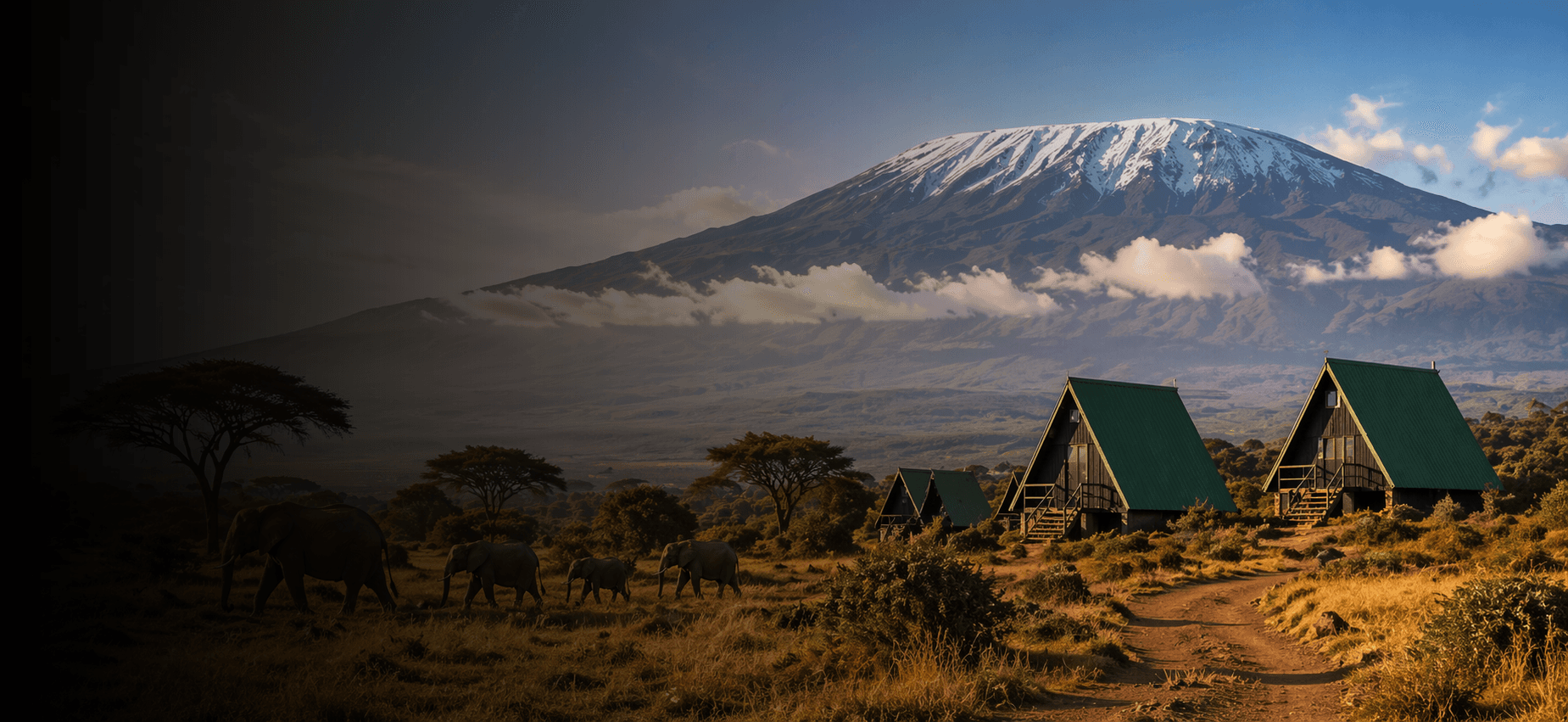
Start your Kilimanjaro journey the iconic way, on the Marangu Route, the mountain’s original path and the only one offering permanent hut stays instead of tents. Beginning in Moshi, this southeast approach passes through Marangu Gate (1,750m), guiding you through lush rainforest, open moorland, and a dramatic alpine desert before reaching Uhuru Peak at 5,895 meters.

Start your Kilimanjaro journey the iconic way, on the Marangu Route, the mountain’s original path and the only one offering permanent hut stays instead of tents. Beginning in Moshi, this southeast approach passes through Marangu Gate (1,750m), guiding you through lush rainforest, open moorland, and a dramatic alpine desert before reaching Uhuru Peak at 5,895 meters.

DURATION

6 Days / 5 Nights

SUMMIT

Uhuru Peak · 5,895m

ACCOMMODATION

Permanent Mountain Huts

Difficulty

Moderate

Dynamic picture of a cyclist riding downhill

The only Kilimanjaro route where you sleep in huts, not tents.

Since the huts have a set number of bunk beds and the park limits the number of climbers each day, booking well in advance is essential to secure a spot.

KiliDestination is a locally owned, non-profit operator based in Arusha since 2014. We offer the Marangu Route as a 6-day guided trek. The extra acclimatization day at Horombo Hut is the most important part of reaching Uhuru Peak, so we always include it. Our KINAPA-certified guides have completed this route many times, and daily health checks are part of every trek from the start.

Since the huts have a set number of bunk beds and the park limits the number of climbers each day, booking well in advance is essential to secure a spot.

KiliDestination is a locally owned, non-profit operator based in Arusha since 2014. We offer the Marangu Route as a 6-day guided trek. The extra acclimatization day at Horombo Hut is the most important part of reaching Uhuru Peak, so we always include it. Our KINAPA-certified guides have completed this route many times, and daily health checks are part of every trek from the start.

Since the huts have a set number of bunk beds and the park limits the number of climbers each day, booking well in advance is essential to secure a spot.

KiliDestination is a locally owned, non-profit operator based in Arusha since 2014. We offer the Marangu Route as a 6-day guided trek. The extra acclimatization day at Horombo Hut is the most important part of reaching Uhuru Peak, so we always include it. Our KINAPA-certified guides have completed this route many times, and daily health checks are part of every trek from the start.


Marangu Route: Quick Facts


Marangu Route: Quick Facts

DURATION

Total Distance

Starting Point

Ending Point

Summit

Summit Approach

Accommodation

Summit Success Rate

Difficulty

Highlight

Best For

Best Seasons

6 Days / 5 Nights (recommended) or 5 Days / 4 Nights


~72 km (45 miles), same path up and down


Moshi → Marangu Gate (1,750m)


Marangu Gate → Moshi → Arusha


Uhuru Peak (5,895m / 19,341 ft)


Kibo Hut → Gilman's Point → Stella Point → Uhuru Peak


Permanent mountain huts (bunk beds), the ONLY route with huts


60–70% on 6-day itinerary · lower on 5-day


Moderate terrain; altitude demands the 6-day itinerary


Maundi Crater visit on Day 1; Zebra Rocks / Mawenzi Ridge acclimatization


Comfort-seekers, rainy-season climbers, first-timers on a schedule


January–February and June–October (viable year-round due to huts)


DURATION


Moshi → Marangu Gate (1,750m)


Summit Approach


60–70% on 6-day itinerary · lower on 5-day


Best For


6 Days / 5 Nights (recommended) or 5 Days / 4 Nights


Ending Point


Kibo Hut → Gilman's Point → Stella Point → Uhuru Peak


Difficulty


Comfort-seekers, rainy-season climbers, first-timers on a schedule


Total Distance


Marangu Gate → Moshi → Arusha


Accommodation


Moderate terrain; altitude demands the 6-day itinerary


Best Seasons


~72 km (45 miles), same path up and down


Summit


Permanent mountain huts (bunk beds), the ONLY route with huts


Highlight


January–February and June–October (viable year-round due to huts)


Starting Point


Uhuru Peak (5,895m / 19,341 ft)


Summit Success Rate


Maundi Crater visit on Day 1; Zebra Rocks / Mawenzi Ridge acclimatization


What Makes the Marangu Route Unique


What Makes the Marangu Route Unique

01

01

The Only Route with Mountain Hut Accommodation

The Only Route with Mountain Hut Accommodation

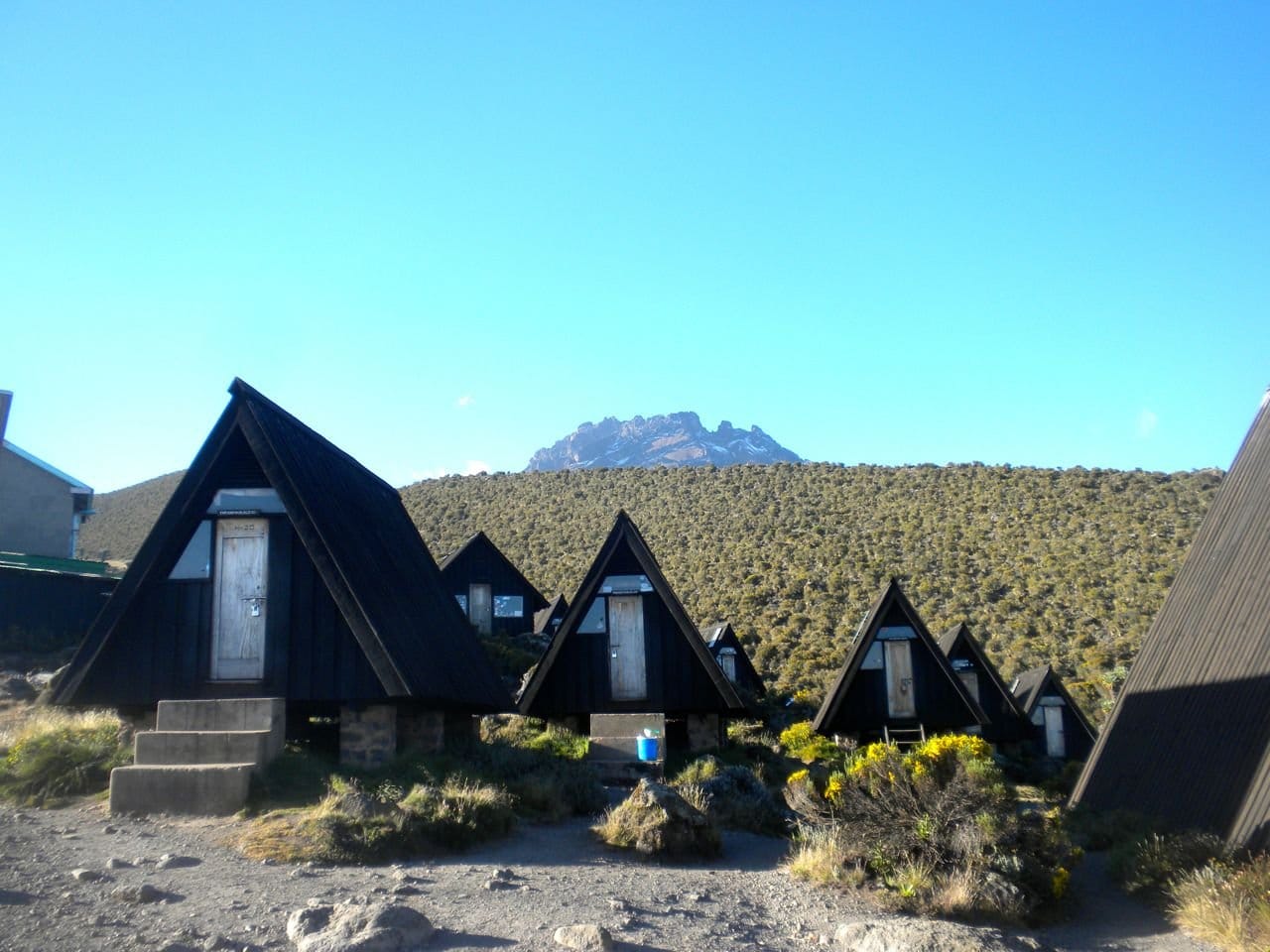
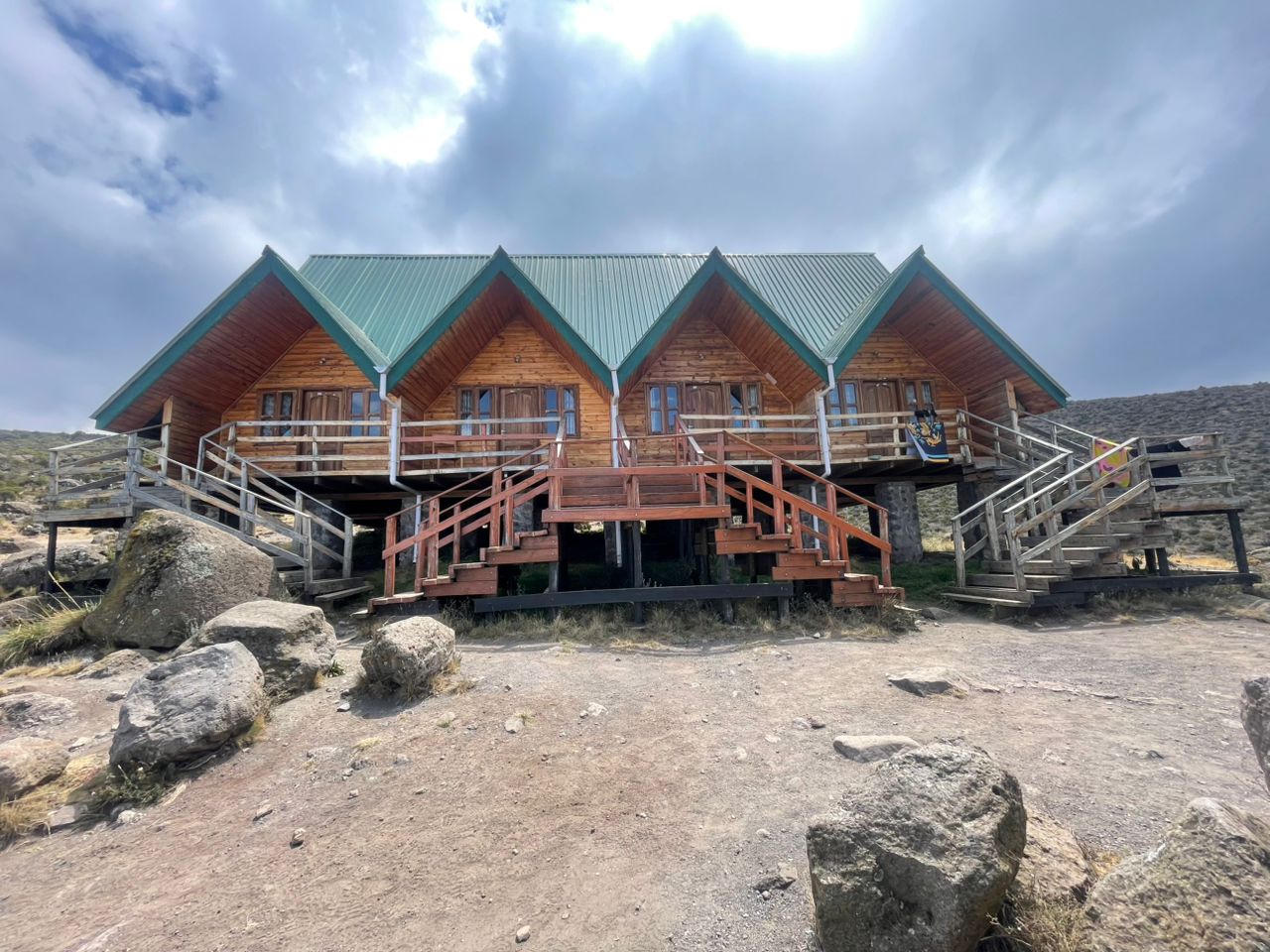
Unlike other Kilimanjaro routes that use tents, the Marangu Route features three permanent hut stations: Mandara Hut (2,750m), Horombo Hut (3,807m), and Kibo Hut (4,725m). These provide dormitory-style bunks, shared dining halls, and basic washrooms. Because space is limited, booking early is essential.

Staying in huts offers a warmer, drier, and more protected sleeping area than tents. This route is ideal if you prefer not to camp, are trekking during the rainy season, or want to carry less gear.
02

02

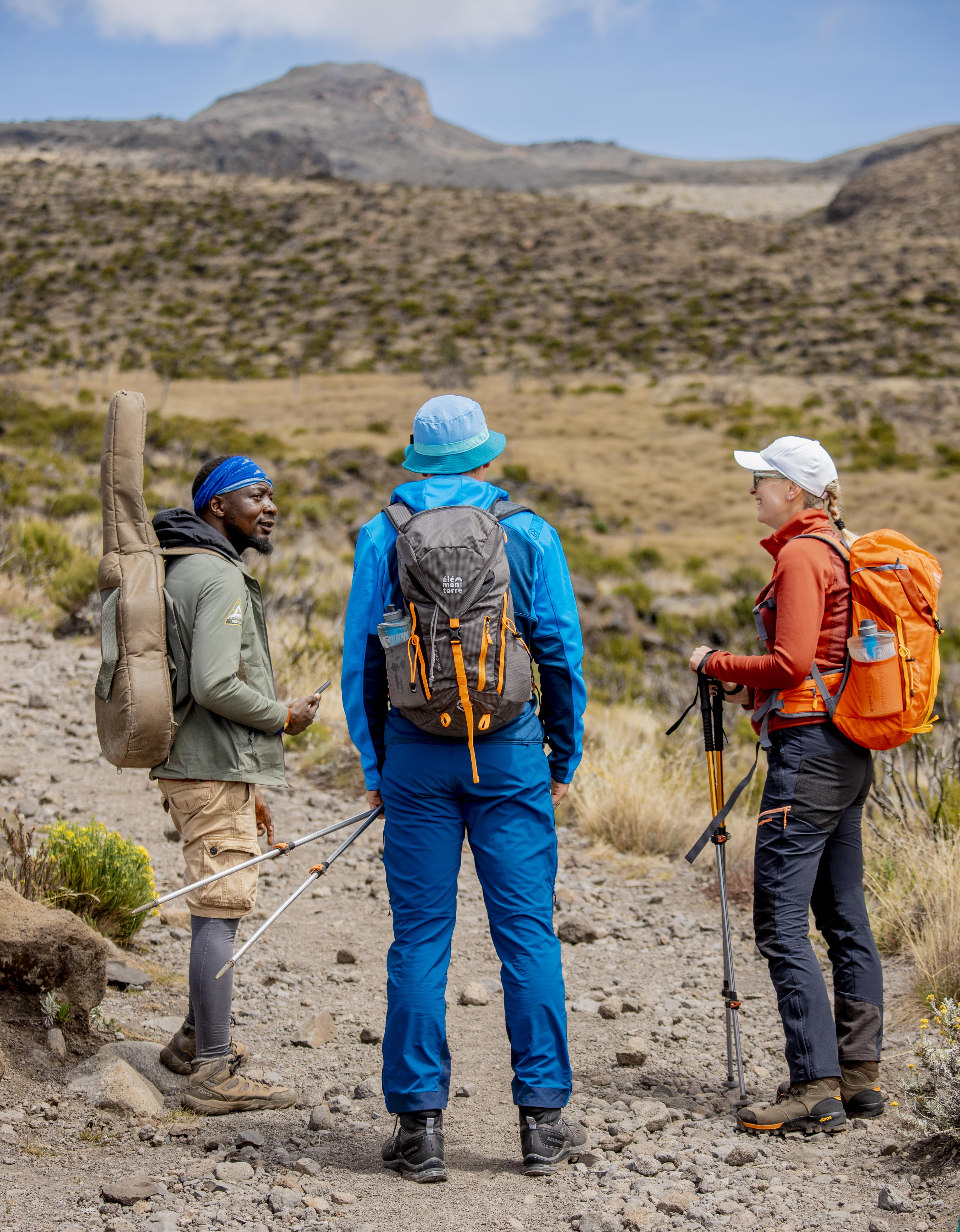
Less Camping Gear: Fewer Porters

Less Camping Gear: Fewer Porters

Since you don't need tents, sleeping mats, or other camping gear on the Marangu Route, you'll carry less overall. This means fewer porters are needed, which helps lower the cost and makes this the most affordable Kilimanjaro trip we offer. You'll still have the same experienced team, including your lead guide, assistant guides, cook, and core crew.
03

03

A Gradual, Less Steep Ascent

A Gradual, Less Steep Ascent

The Marangu Route has a gentler slope than Kilimanjaro's other main routes. There are no steep climbs, technical rocks, or exposed ridges to cross. The trail is wide, easy to follow, and well-maintained, making it one of the most popular paths on the mountain. Because the slope is gradual, you'll use less energy each day compared to routes like Machame or Lemosho, and most days are shorter. For example, on Day 1, the 9 km from Marangu Gate to Mandara Hut usually takes about three hours.
04

04

The Best Route During the Rains

The Best Route During the Rains

Kilimanjaro's main rainy seasons are from March to May and again from October to November. During these times, having huts on the Marangu Route is a big advantage. Sleeping in a tent when it's wet and cold can make it hard to rest and recover, which is important for acclimatization and reaching the summit. In a hut, you're protected from the weather. That's why we recommend the Marangu Route if you're trekking during the rainy months.

05

One Important Trade-Off: The Same Path Up and Down

One Important Trade-Off: The Same Path Up and Down

The Marangu Route is the only Kilimanjaro route that uses the same trail for both ascent and descent. You'll see the same scenery both ways, and the path is shared by people going in both directions, so it's busier than routes like Rongai or the Northern Circuit. If you want more variety in landscapes or a quieter trail, the Northern Circuit or Lemosho might suit you better. But if you're looking for a comfortable, direct, and historic Kilimanjaro experience, especially during the rainy season or if you have limited time, Marangu is a great choice.

Marangu Route: 6-Day Itinerary at a Glance

Your Marangu trek with KiliDestination starts in Arusha and ends when you return from Marangu Gate. The 6-day itinerary includes an extra acclimatization day on Day 3, increasing your chances of reaching the summit.
Day

Arrival

Day 1

Day 2

Day 3 *

Day 4

Day 5

Day 6

Camp-to-camp

Airport → Arusha Hotel

Moshi → Marangu Gate → Mandara Hut

Mandara Hut → Horombo Hut

Horombo Hut (Acclimatization Day)

Horombo Hut → Kibo Hut

Kibo Hut → Uhuru Peak → Horombo Hut

Horombo Hut → Marangu Gate → Arusha

Elevation

1,200m → 1,750m → 2,750m

2,750m → 3,807m

3,807m → Mawenzi / Zebra Rocks → 3,807m

3,750m → 4,725m

4,725m → 5,895m → 3,765m

3,750m → 1,830m → 1,387m

Distance

9 km

12 km

~8 km

11 km

6 km up / 17 km down

18 km

Highlight

Gear check: full mountain briefing with your guide

Montane rainforest; optional Maundi Crater visit

Moorland; first clear views of Kilimanjaro peaks

Climb high, sleep low; Mawenzi Ridge or Zebra Rocks

Cross the Saddle; alpine desert; rest before summit night

Midnight summit push; 10–15 hours; Uhuru Peak

Final descent, certificates, drive back to Arusha

Day

Camp-to-camp

Elevation

Distance

Highlight

Arrival

Airport → Arusha Hotel

Gear check: full mountain briefing with your guide

Day 1

Moshi → Marangu Gate → Mandara Hut

1,200m → 1,750m → 2,750m

9 km

Montane rainforest; optional Maundi Crater visit

Day 2

Mandara Hut → Horombo Hut

2,750m → 3,807m

12 km

Moorland; first clear views of Kilimanjaro peaks

Day 3 *

Horombo Hut (Acclimatization Day)

3,807m → Mawenzi / Zebra Rocks → 3,807m

~8 km

Climb high, sleep low; Mawenzi Ridge or Zebra Rocks

Day 4

Horombo Hut → Kibo Hut

3,750m → 4,725m

11 km

Cross the Saddle; alpine desert; rest before summit night

Day 5

Kibo Hut → Uhuru Peak → Horombo Hut

4,725m → 5,895m → 3,765m

6 km up / 17 km down

Midnight summit push; 10–15 hours; Uhuru Peak

Day 6

Horombo Hut → Marangu Gate → Arusha

3,750m → 1,830m → 1,387m

18 km

Final descent, certificates, drive back to Arusha

Day-by-Day Detail

Day-by-Day Detail

Arrival Day: Arusha: Gear Check & Mountain Briefing

Arrival Day: Arusha: Gear Check & Mountain Briefing

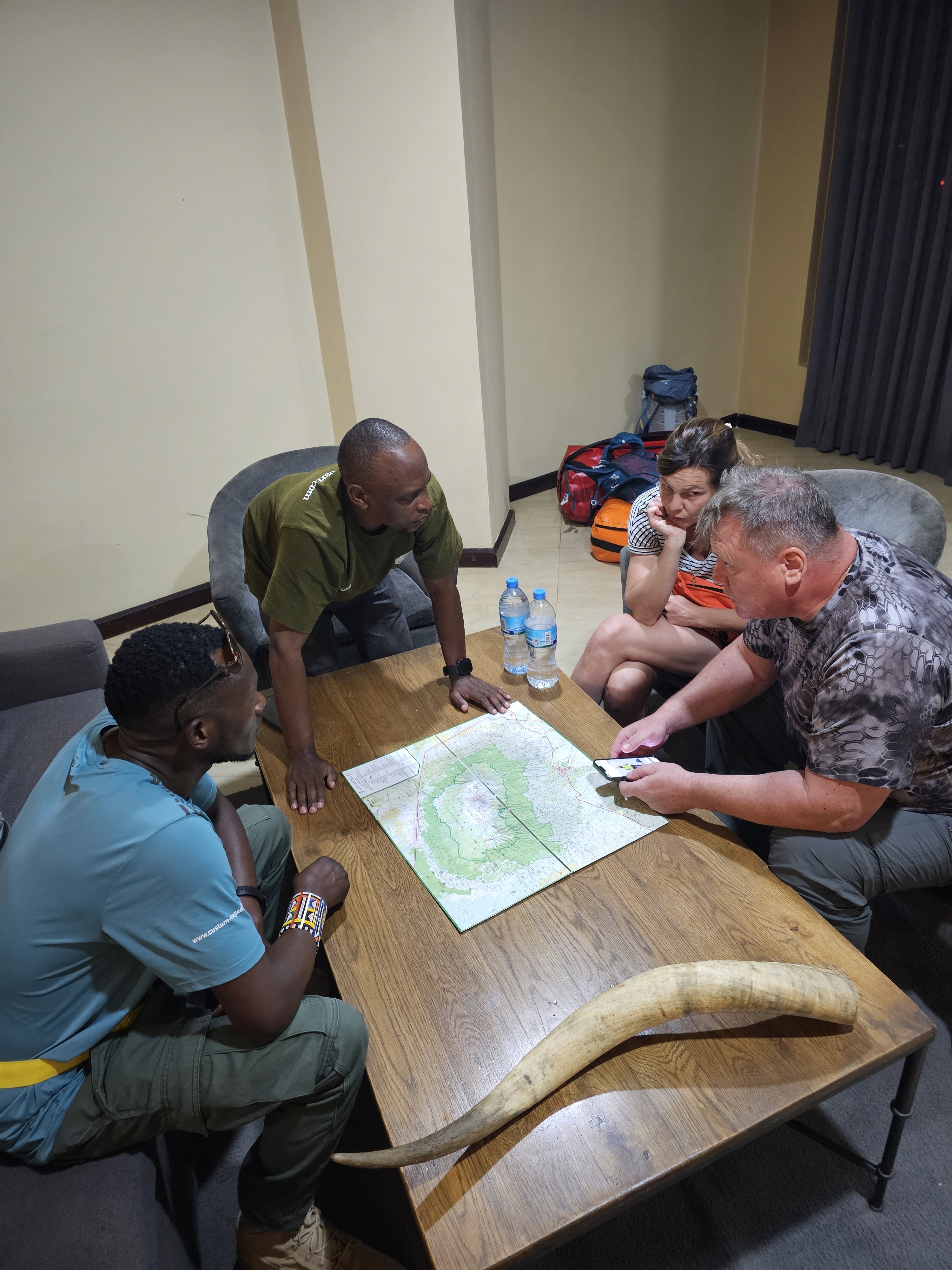
When you arrive at Kilimanjaro International Airport or Arusha Airport, your KiliDestination driver will be waiting for you with your name on a sign and will take you to your hotel in Arusha. That evening, your lead guide will meet you at the hotel for a full mountain briefing. You'll go over the itinerary, talk about altitude health, check your gear, and have a chance to ask questions. This is the best time to let us know about any medical history, equipment needs, or dietary requirements so we can plan your climb properly. You'll spend the night at your hotel in Arusha.

Day 1: Moshi to Marangu Gate to Mandara Hut

Day 1: Moshi to Marangu Gate to Mandara Hut

Elevation: 1,200m → 1,750m → 2,750m | Distance: 9 km trekking | Hiking time: ~3 hours | Habitat: Montane Forest

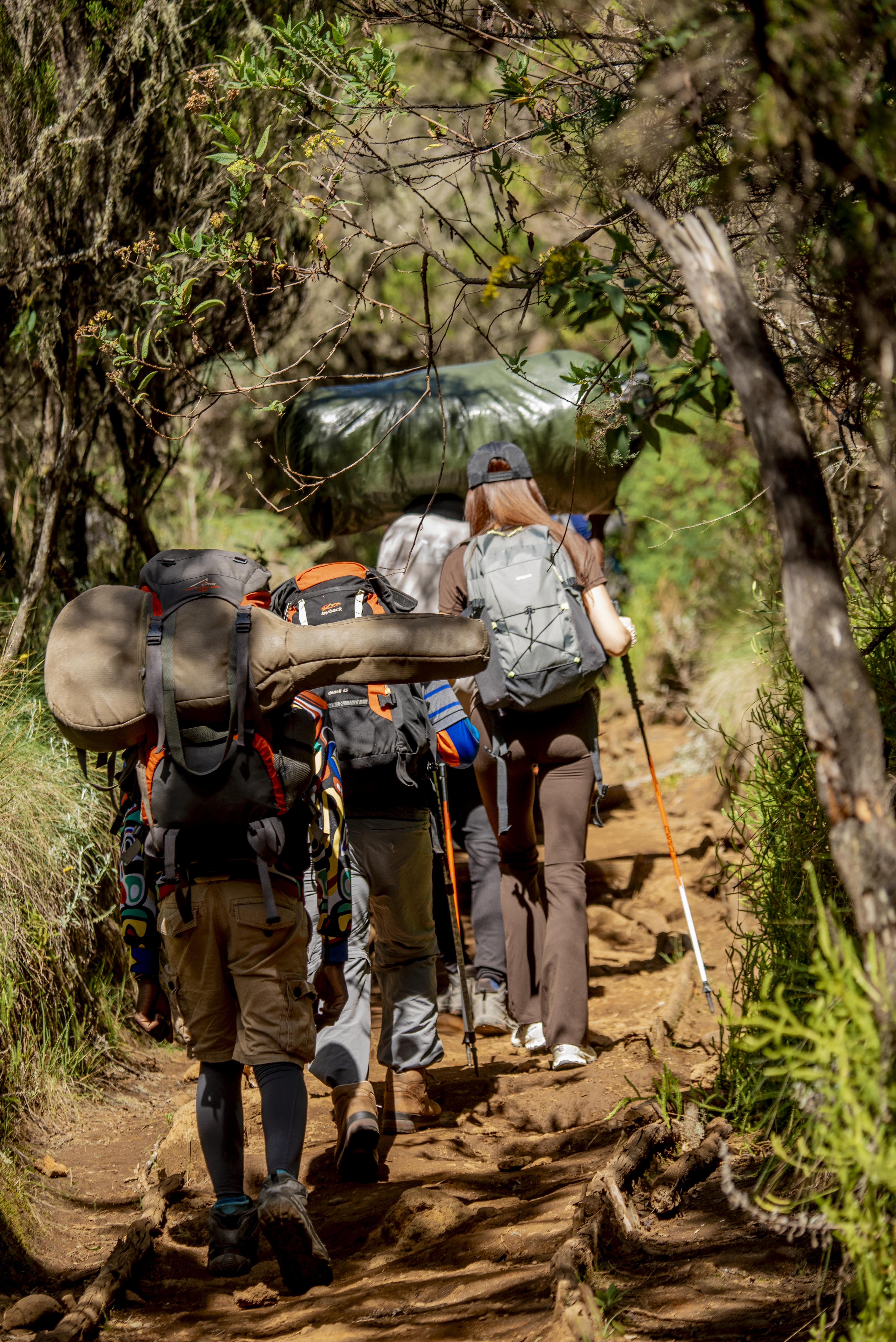
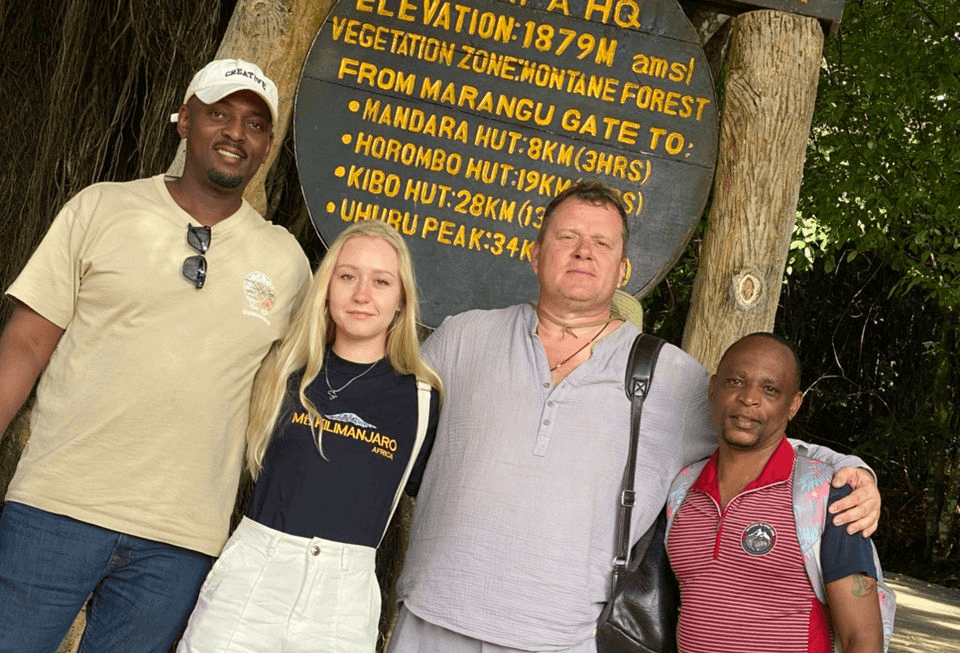
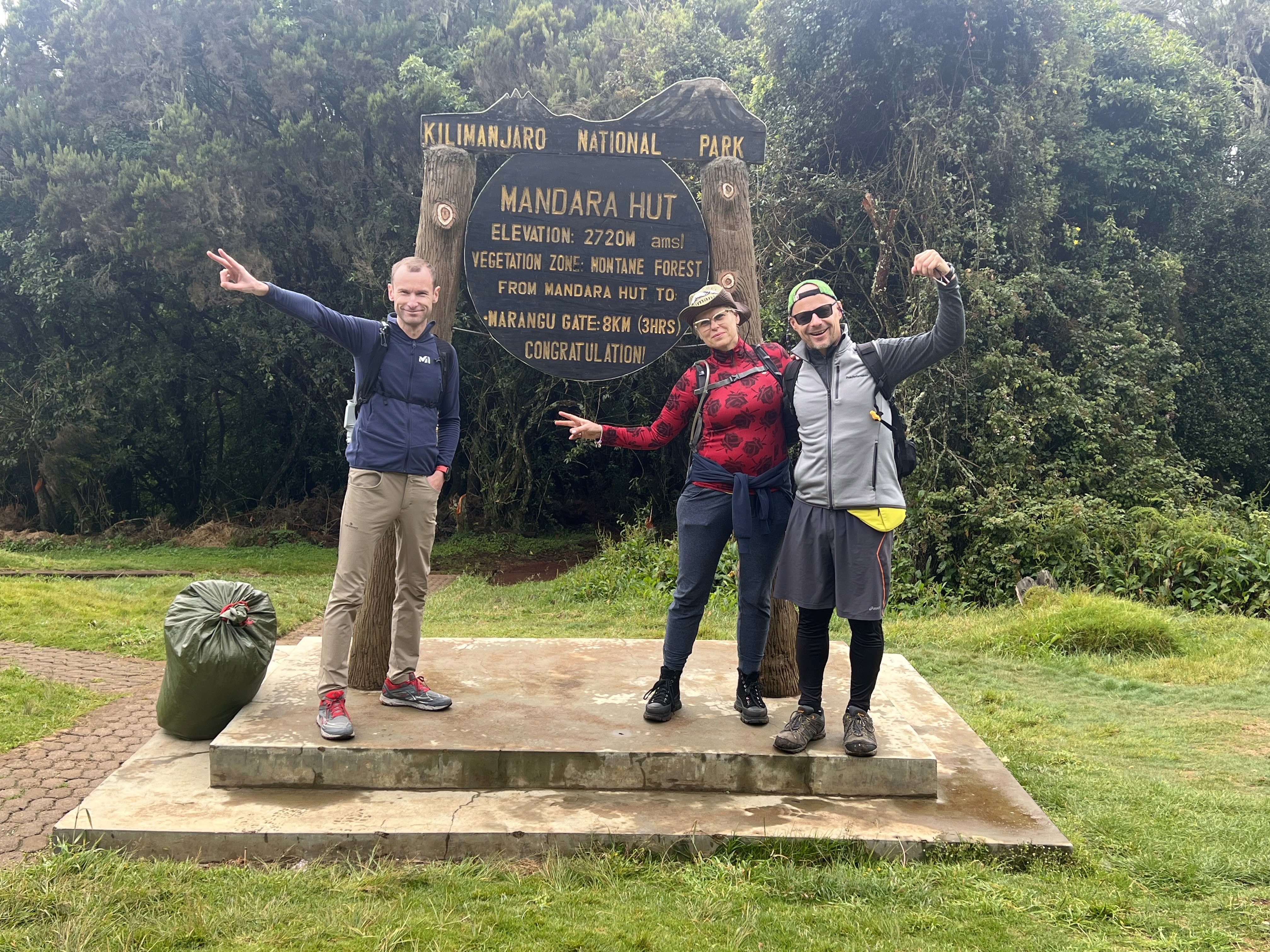
Your driver will collect you from the hotel around 8:30 am and take you to Marangu Gate. After registering with Kilimanjaro National Park, your trek starts through the montane rainforest, one of the most untouched jungle areas on Kilimanjaro, full of birds and forest sounds. The trail climbs gently through the trees, and after about three hours of hiking, you’ll reach Mandara Hut (2,750m).


When you arrive, you can take a great side trip to Maundi Crater, a small volcanic crater just a short walk from the hut. From there, you’ll get wide views of the forest and the landscape beyond. This is your first chance to go above the treeline and start getting used to the altitude. You’ll have dinner and spend the night at Mandara Hut.

Day 2: Mandara Hut to Horombo Hut

Elevation: 2,750m → 3,807m | Distance: 12 km | Hiking time: 5–6 hours | Habitat: Moorland

After breakfast, you’ll leave the rainforest and enter the open moorland, a wide area filled with heather, giant Senecio trees, and tussock grass. It’s a big change from the dense forest below. Today, you’ll get your first clear view of Kilimanjaro, seeing both Kibo, the main summit, and Mawenzi, the jagged peak to the east. You’ll stop for lunch halfway, then continue to Horombo Hut (3,807m), the largest camp on the route, which you’ll visit on both the way up and down. Dinner and overnight at Horombo Hut.

After breakfast, you’ll leave the rainforest and enter the open moorland, a wide area filled with heather, giant Senecio trees, and tussock grass. It’s a big change from the dense forest below. Today, you’ll get your first clear view of Kilimanjaro, seeing both Kibo, the main summit, and Mawenzi, the jagged peak to the east. You’ll stop for lunch halfway, then continue to Horombo Hut (3,807m), the largest camp on the route, which you’ll visit on both the way up and down. Dinner and overnight at Horombo Hut.

Day 3: Acclimatization Day: Horombo Hut to Mawenzi Ridge / Zebra Rocks and Back

Day 3: Acclimatization Day: Horombo Hut to Mawenzi Ridge / Zebra Rocks and Back

Elevation: 3,807m → Mawenzi Ridge (~3,980m) or Zebra Rocks → 3,807m | Habitat: Moorland

This day sets the 6-day itinerary apart from the 5-day version and has the greatest impact on your chances of reaching the summit. Instead of heading straight to Kibo Hut, you’ll spend a full day at Horombo to acclimatize. You’ll hike up to either Mawenzi Ridge or the unique Zebra Rocks, which are known for their black-and-white stripes and are about 3,980 meters high.

The idea is to ‘climb high, sleep low.’ By going up to a higher altitude during the day, your body starts to adjust to the thinner air, making more red blood cells and improving oxygen use. Sleeping back at the lower Horombo Hut helps your body adapt. The views from Mawenzi Ridge are stunning, with Kibo and Mawenzi side by side and the plains stretching out below, showing just how big the mountain really is.


After your hike, you’ll return to Horombo for lunch, some rest, dinner, and another night at 3,807m. On the 5-day itinerary, this acclimatization day is skipped, and trekkers go straight to Kibo Hut for their summit attempt that night, which lowers the chances of reaching the top.

Day 4: Horombo Hut to Kibo Hut

Day 4: Horombo Hut to Kibo Hut

Elevation: 3,750m → 4,725m | Distance: 11 km | Hiking time: 4–5 hours | Habitat: Moorland to Alpine Desert

After a good night’s sleep and breakfast, you’ll head up past the last water point on the route, so be sure to fill your bottles here. The trail then enters the Saddle, a high plateau between Kibo and Mawenzi peaks. The Saddle is a wide, flat area of volcanic dust and rock at over 4,000 meters, with almost no plants, and the two peaks rising on either side. You’ll have lunch here before continuing across the alpine desert to Kibo Hut (4,725m).


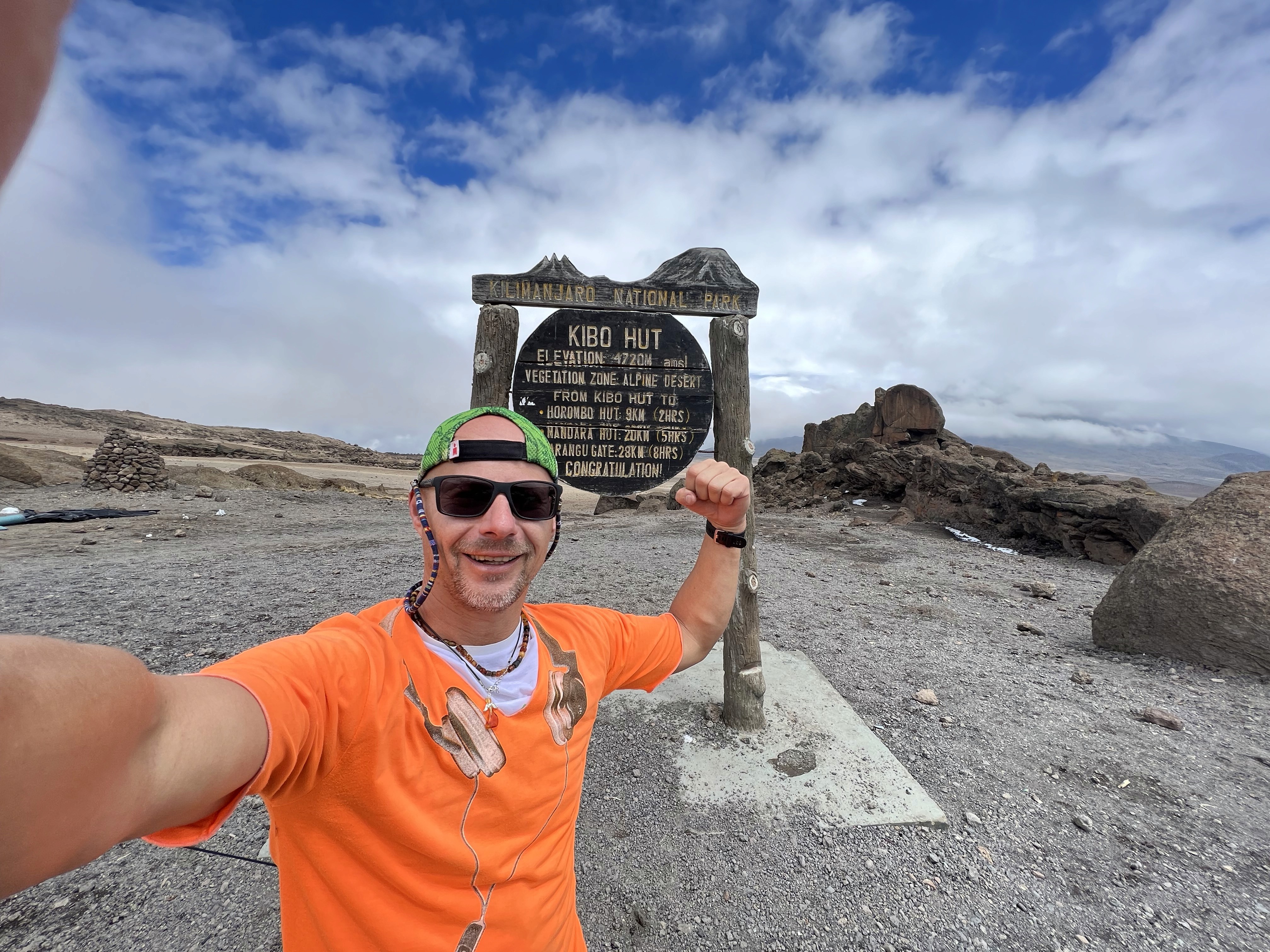
Kibo Hut is the highest and simplest of the three camps, with basic facilities, cold temperatures, and thin air. Here, it’s important to prepare for the summit: eat what you can (since appetite often drops at this altitude), drink plenty of water, get your summit clothes ready, and go to bed early. Your guide will do a final health check and explain what to expect during the night. You’ll have an early dinner and spend the night at Kibo Hut.

After a good night’s sleep and breakfast, you’ll head up past the last water point on the route, so be sure to fill your bottles here. The trail then enters the Saddle, a high plateau between Kibo and Mawenzi peaks. The Saddle is a wide, flat area of volcanic dust and rock at over 4,000 meters, with almost no plants, and the two peaks rising on either side. You’ll have lunch here before continuing across the alpine desert to Kibo Hut (4,725m).


Kibo Hut is the highest and simplest of the three camps, with basic facilities, cold temperatures, and thin air. Here, it’s important to prepare for the summit: eat what you can (since appetite often drops at this altitude), drink plenty of water, get your summit clothes ready, and go to bed early. Your guide will do a final health check and explain what to expect during the night. You’ll have an early dinner and spend the night at Kibo Hut.

Day 5: Summit Day: Kibo Hut to Uhuru Peak to Horombo Hut

Day 5: Summit Day: Kibo Hut to Uhuru Peak to Horombo Hut

Elevation: 4,725m → 5,895m → 3,765m | Distance: 6 km up / 17 km down | Hiking time: 10–15 hours | Habitat: Alpine Desert to Arctic

This is the big day. Your guide will wake you at midnight for a light breakfast and final preparations before you start the climb. At this height, in the dark and cold, it’s very important to dress in layers. Your guide will show you exactly how to dress, from your base layer to your outer jacket, so you stay comfortable. Remember, it’s easier to take off a layer if you get warm than to try to warm up if you get cold.


The climb from Kibo Hut follows the crater wall in the dark, and you’ll move at a slow, steady pace, ‘pole pole’ as your guide will say in Swahili. Climbing in the dark helps you focus on each step rather than worry about how far you have left, which is helpful during this tough part of the trek. Your guide will lead the group at a pace that matches your fitness and how you’re handling the altitude.


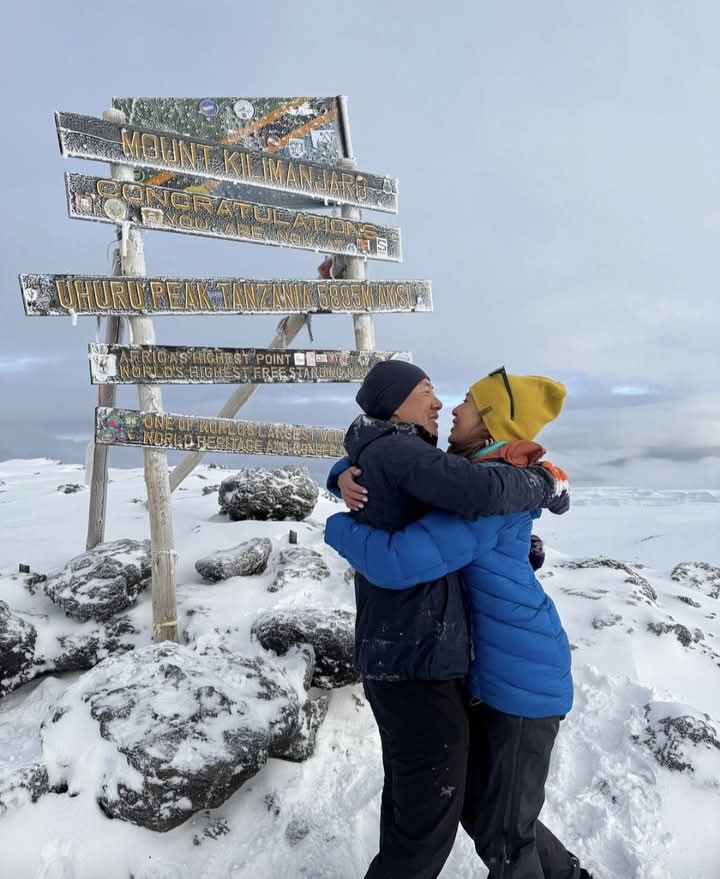
When you reach Gilman’s Point (5,681m) on the crater rim, you’ll see the first light of sunrise over Mawenzi Peak, an unforgettable sight for any trekker. From Gilman’s Point, you’ll walk along the crater rim to Stella Point and then to Uhuru Peak (5,895m), the highest point in Africa. At the summit, you’ll have time to take in the glaciers, the crater, the curve of the earth, and the feeling of standing on the Roof of Africa.

You’ll go back down the same way to Kibo Hut for lunch, a rest, and to collect your gear, then continue down across the Saddle to Horombo Hut. Trekking poles are very helpful on the descent. Your legs will be tired, and it’s a long walk, but arriving at Horombo Hut feels rewarding. You’ll have dinner and spend the night at Horombo Hut (3,765m).

This is the big day. Your guide will wake you at midnight for a light breakfast and final preparations before you start the climb. At this height, in the dark and cold, it’s very important to dress in layers. Your guide will show you exactly how to dress, from your base layer to your outer jacket, so you stay comfortable. Remember, it’s easier to take off a layer if you get warm than to try to warm up if you get cold.


The climb from Kibo Hut follows the crater wall in the dark, and you’ll move at a slow, steady pace, ‘pole pole’ as your guide will say in Swahili. Climbing in the dark helps you focus on each step rather than worry about how far you have left, which is helpful during this tough part of the trek. Your guide will lead the group at a pace that matches your fitness and how you’re handling the altitude.


When you reach Gilman’s Point (5,681m) on the crater rim, you’ll see the first light of sunrise over Mawenzi Peak, an unforgettable sight for any trekker. From Gilman’s Point, you’ll walk along the crater rim to Stella Point and then to Uhuru Peak (5,895m), the highest point in Africa. At the summit, you’ll have time to take in the glaciers, the crater, the curve of the earth, and the feeling of standing on the Roof of Africa.

You’ll go back down the same way to Kibo Hut for lunch, a rest, and to collect your gear, then continue down across the Saddle to Horombo Hut. Trekking poles are very helpful on the descent. Your legs will be tired, and it’s a long walk, but arriving at Horombo Hut feels rewarding. You’ll have dinner and spend the night at Horombo Hut (3,765m).

Day 6: Horombo Hut to Marangu Gate to Arusha

Day 6: Horombo Hut to Marangu Gate to Arusha

Elevation: 3,750m → 1,830m (Marangu Gate) → 1,387m (Arusha) | Distance: 18 km | Hiking time: ~5 hours

On your last morning on the mountain, you’ll have breakfast and pack up at Horombo Hut. The descent takes you through the moorland to Mandara Hut, where you’ll stop for lunch and re-enter the forest zone. From Mandara, you’ll walk back through the lush, warm rainforest, which feels almost unreal after spending days above the treeline, all the way to Marangu Gate.


At Marangu Gate, you’ll sign out with Kilimanjaro National Park and receive your official summit certificate: the Uhuru Peak certificate (5,895m) if you reached the summit, or the Gilman’s Point certificate (5,681m) if you turned back at the crater rim. Both certificates are well earned. Your KiliDestination driver will be waiting to take you back to your hotel in Arusha, where you can start celebrating.

On your last morning on the mountain, you’ll have breakfast and pack up at Horombo Hut. The descent takes you through the moorland to Mandara Hut, where you’ll stop for lunch and re-enter the forest zone. From Mandara, you’ll walk back through the lush, warm rainforest, which feels almost unreal after spending days above the treeline, all the way to Marangu Gate.


At Marangu Gate, you’ll sign out with Kilimanjaro National Park and receive your official summit certificate: the Uhuru Peak certificate (5,895m) if you reached the summit, or the Gilman’s Point certificate (5,681m) if you turned back at the crater rim. Both certificates are well earned. Your KiliDestination driver will be waiting to take you back to your hotel in Arusha, where you can start celebrating.

5-Day vs 6-Day Marangu Route: Which

Should You Choose?

The 5-day Marangu itinerary leaves out the acclimatization day at Horombo Hut (Day 3 in the 6-day program). Instead of hiking to Mawenzi Ridge and spending a second night at 3,807m, you go straight to Kibo Hut on Day 3 and attempt the summit that night. This is tougher on your body, as the lower summit success rates show.

The 5-day option is mainly offered because it costs less, with fewer park fees, porter days, and nights on the mountain. However, for most trekkers, this saving isn’t worth it. The extra acclimatization day in the 6-day itinerary is the best investment you can make to increase your chances of reaching the summit.

KiliDestination offers both the 5-day and 6-day options and will give you honest advice based on your situation. If your schedule can’t be changed, we’ll make sure the 5-day trek is as safe and well-supported as possible. But if you have any flexibility, we recommend choosing the six-day trek.

On the 5-day itinerary, trekkers move directly from Horombo Hut to Kibo Hut on Day 3 and begin the summit push that night. The Day 3 Mawenzi Ridge / Zebra Rocks acclimatization hike is omitted.

How Marangu Compares to Other

Kilimanjaro Routes

Picking the right Kilimanjaro route is one of the most important choices you’ll make when planning your trek. Here’s a straightforward comparison of the five main routes.

Route

Marangu

Lemosho

Machame

Northern Circuit

Rongai

Days

6 days

7–8 days

6–7 days

9 days

6–7 days

Distance

~72 km

~70 km

~62 km

~88 km

~65 km

Success Rates

60–70%

90–95%

85–90%

95–98%

80–90%

Huts

Yes, unique

No (camping)

No (camping)

No (camping)

No (camping)

Crowds

High

Medium

High

Low

Low–Med

Route

Days

Distance

Success Rates

Huts

Crowds

Marangu

6 days

~72 km

60–70%

Yes, unique

High

Lemosho

7–8 days

~70 km

90–95%

No (camping)

Medium

Machame

6–7 days

~62 km

85–90%

No (camping)

High

Northern Circuit

9 days

~88 km

95–98%

No (camping)

Low

Rongai

6–7 days

~65 km

80–90%

No (camping)

Low–Med

Success rates are general estimates for the industry. Your results may vary depending on the quality of your operator, your guides' experience, and how well you prepare. At KiliDestination, our guide-to-climber ratios and daily health checks usually yield better results than these averages suggest.

What’s Included in

KiliDestination’s Marangu Route Trek

Included


  • Airport pickup and return transfer (Arusha or Kilimanjaro International Airport)

  • Hotel accommodation in Arusha before and after the trek

  • All meals on the mountain: breakfast, packed lunch, and hot dinner every day

  • Kilimanjaro National Park entry fees and hut accommodation fees

  • KINAPA-certified lead guide and assistant guide(s)

  • Trained, fairly compensated mountain crew (cook and porters)

  • Emergency oxygen and a full first aid kit on every expedition

  • Daily pulse oximeter health checks at every hut camp

  • Summit certificates collected at Marangu Gate on Day 6

Not Included


  • International flights to Tanzania

  • Tanzania tourist visa (currently USD 50 on arrival for most nationalities)

  • Personal trekking gear, clothing, and sleeping bag (rated –10°C minimum)

  • Travel insurance with emergency evacuation cover is mandatory for all KiliDestination trekkers

  • Gratuities for guides and porters: customary and deeply appreciated

  • Optional equipment hire in Arusha

Essential Gear for the Marangu Route

Essential Gear for the Marangu Route

Essential Gear for the Marangu Route

Because the Marangu Route has huts, you don’t need a tent or sleeping mat. However, summit night can be very cold, so you’ll need to dress in proper layers for the final climb. Here are the key items you’ll need:
Sleeping bag rated to –10°C or colder (huts provide mattresses and pillows, not bedding)
  • Waterproof hiking boots, well broken in before the trek

  • Moisture-wicking base layers, insulating mid-layers, and a down or synthetic jacket for summit night

  • Waterproof shell jacket and trousers: the Day 1 rainforest is genuinely wet

  • Warm gloves, liner gloves, a balaclava, and a warm hat

  • Trekking poles: strongly recommended, especially for the long descent on Days 5 and 6

  • Headlamp with spare batteries: summit push begins at midnight

  • Daypack 25–35L for the trail; duffel bag 70–90L for porters

  • High-SPF sunscreen, UV-blocking sunglasses, and a sun hat (the Saddle has zero shade)

  • Water bottles or hydration bladder: minimum 3L, filled at the last water point before Kibo Hut

Frequently Asked Questions

Frequently Asked Questions

What is the Northern Circuit Route on Kilimanjaro?

How difficult is the Northern Circuit Route?

When is the best time to climb Kilimanjaro via the Northern Circuit?

The best times to climb Kilimanjaro on the Northern Circuit are during the two dry seasons: January to February and June to October. These months have the clearest skies, most stable weather, and best summit visibility. The short rains (November) and long rains (March to May) make trails wetter and cloud cover thicker, though you can climb year-round with the right gear and an experienced guide.

Ready to Book Your Northern Circuit Trek?

Ready to Book Your Northern Circuit Trek?

The Northern Circuit Route is a life-changing achievement and one of the most rewarding trekking experiences in the world. At KiliDestination, we have guided climbers from around the world to Uhuru Peak since 2014. As a locally owned, non-profit operator based in Arusha, we reinvest in our mountain crew, our community, and the long-term sustainability of trekking on Kilimanjaro.


If you are looking for Tanzania vacation packages that combine a Northern Circuit trek with a Serengeti or Ngorongoro safari, we offer fully customized packages tailored to your schedule and budget.

Ready for your Adventure?

Do your adventure while supporting the locals

Drone shot of a running track at night

Ready for your Adventure?

Do your adventure while supporting the locals

Drone shot of a running track at night

Ready for your Adventure?

Do your adventure while supporting the locals

Drone shot of a running track at night