Location
Summit Elevation
Trek Duration
Who Can Climb?
Guide Requirement
Seven summit routes, each with its own character. Our guides help you
choose one that fits your fitness, timeline, and ambition.
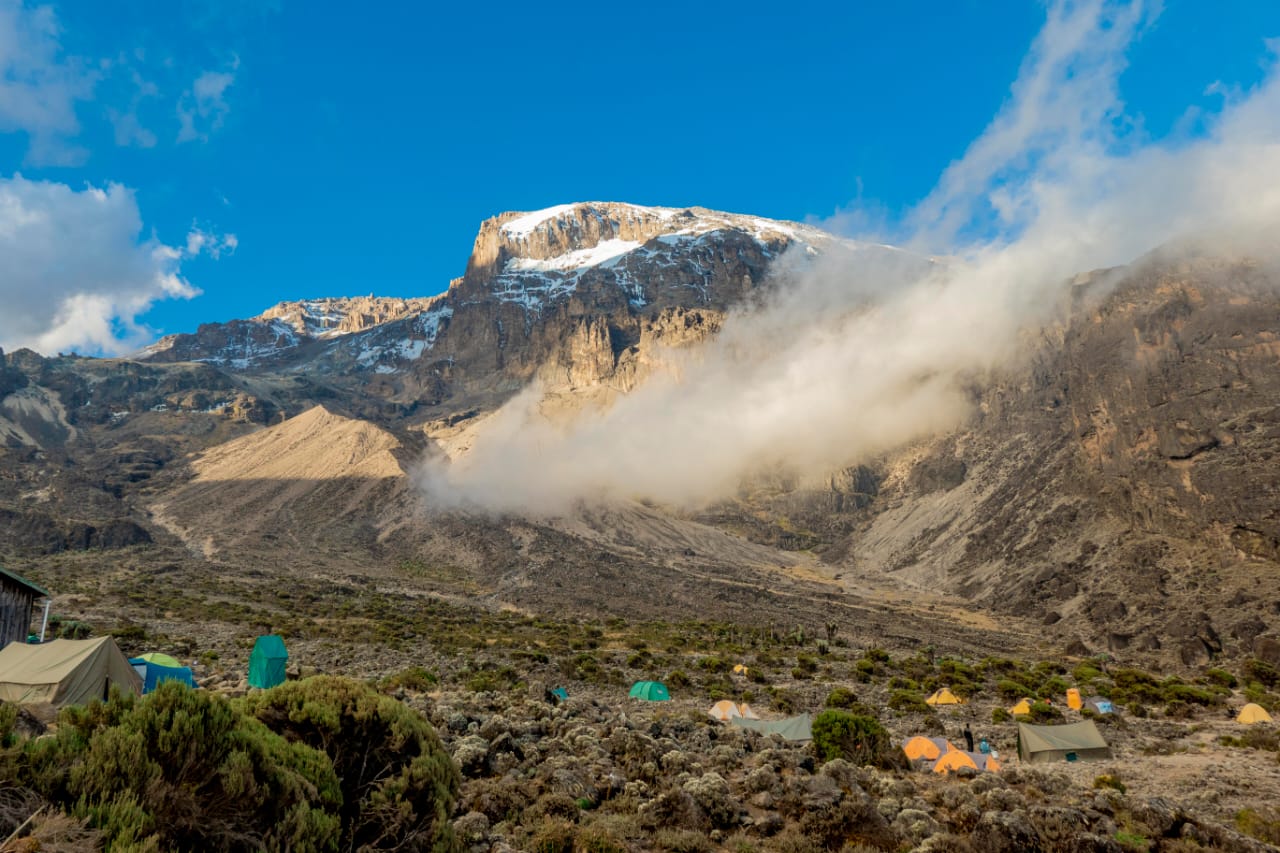
Machame Route: The Whisky Route
The favorite route among many climbers. Classic duration is 7 days (a 6-day option is available). Steeper and more adventurous, especially due to the famous Barranco Wall. Excellent climb-high, sleep-low Acclimatization profile, with the best views of Kibo Peak from different angles. Merges with the Lemosho Route on Day 5.
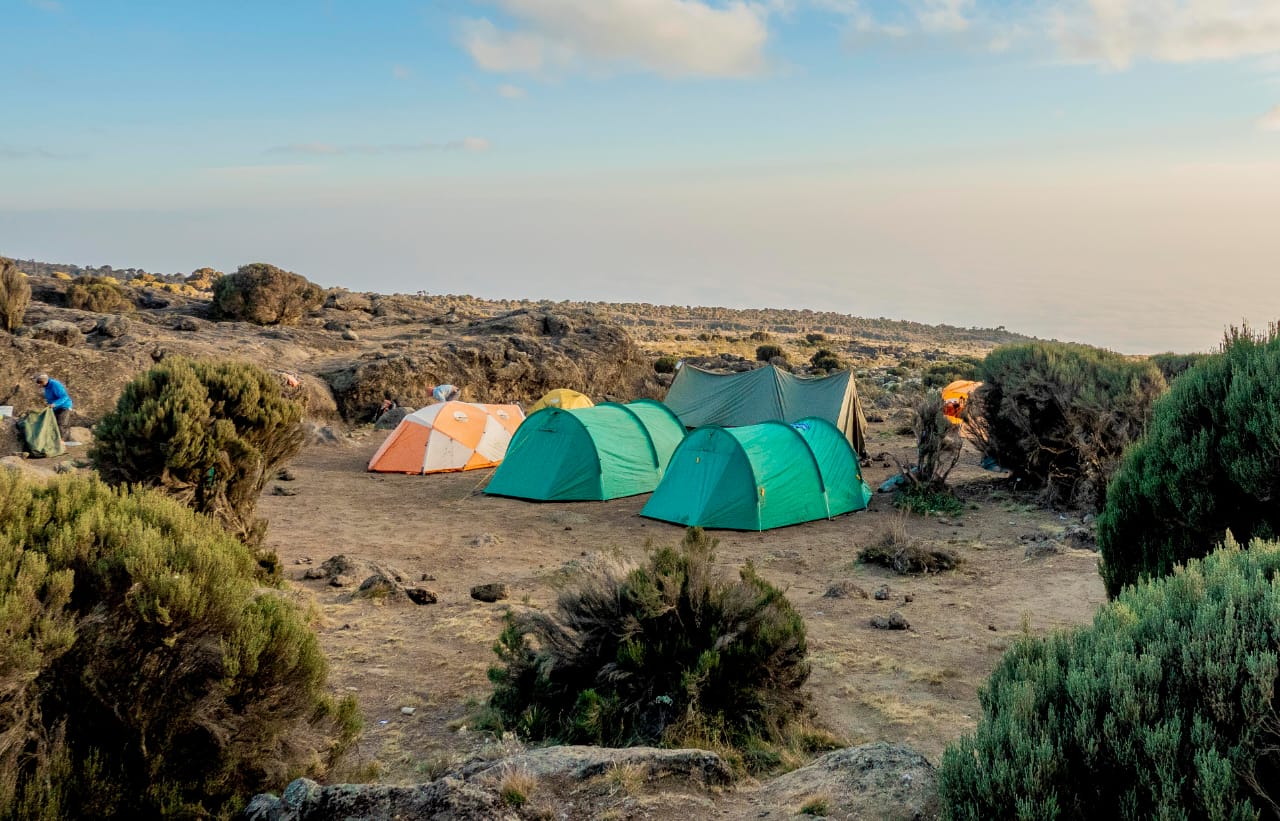
Lemosho Route
Approaches from the western side; the best route for Acclimatization with the highest summit success rate. On Day 2, climbers have the option to summit Shira Peak (3,875m). Joins the Machame route on Day 4 at Barranco. Options for 6, 7, or 8 days. Highly recommended for less experienced hikers.

Marangu Route: The Coca-Cola Route
The only route with dormitory-style hut accommodation, no camping gear needed. The cheapest and least steep route on Kilimanjaro. Limited hut beds mean booking is essential. A 6-day itinerary includes an Acclimatization day at Horombo; a 5-day option goes straight to the summit night.
Rongai Route
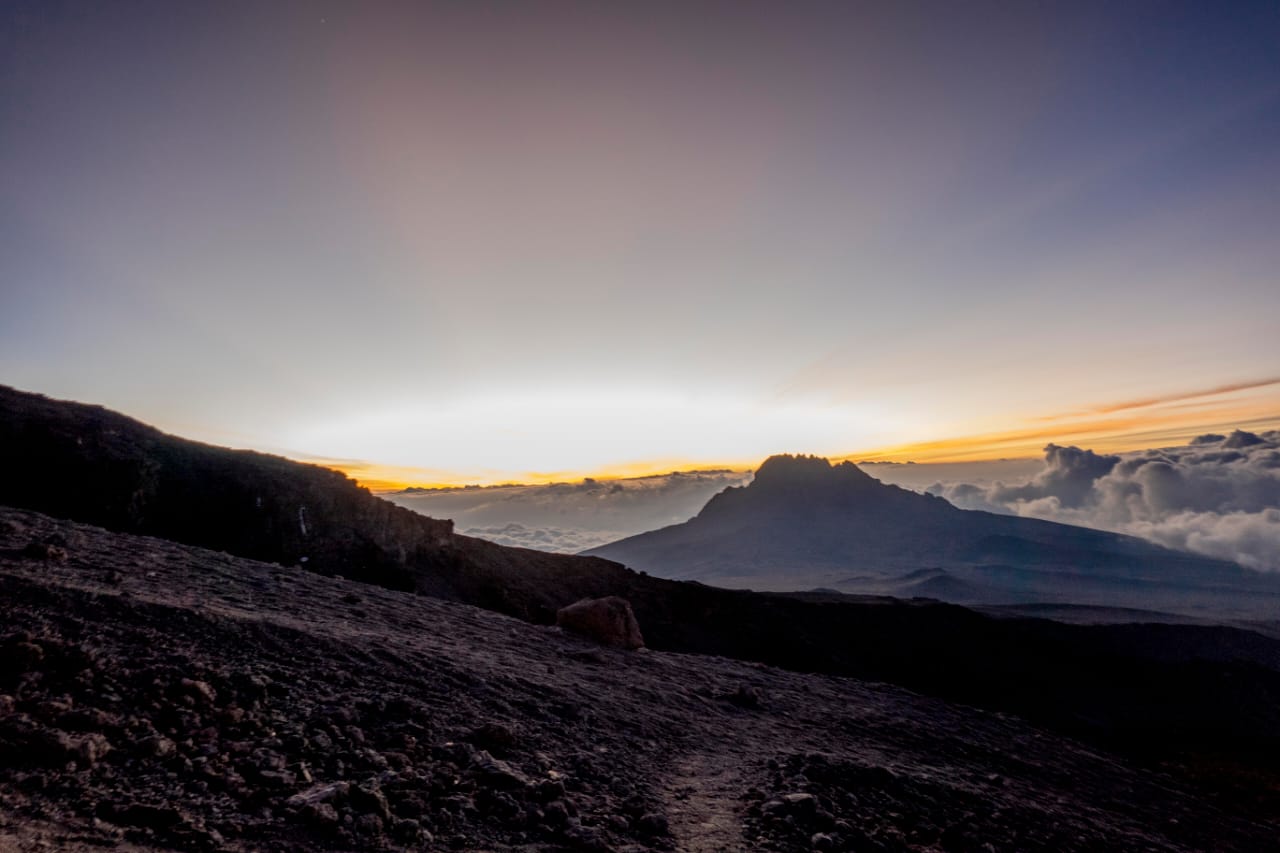
The only route approaching from the north along the Kenya-Tanzania border. The wildest and quietest route, drier and less wooded than other options, making it the best choice during the rainy season. Features a spectacular hike to the base of Mawenzi Peak. Two itinerary options from the same gate.
Northern Circuit Route
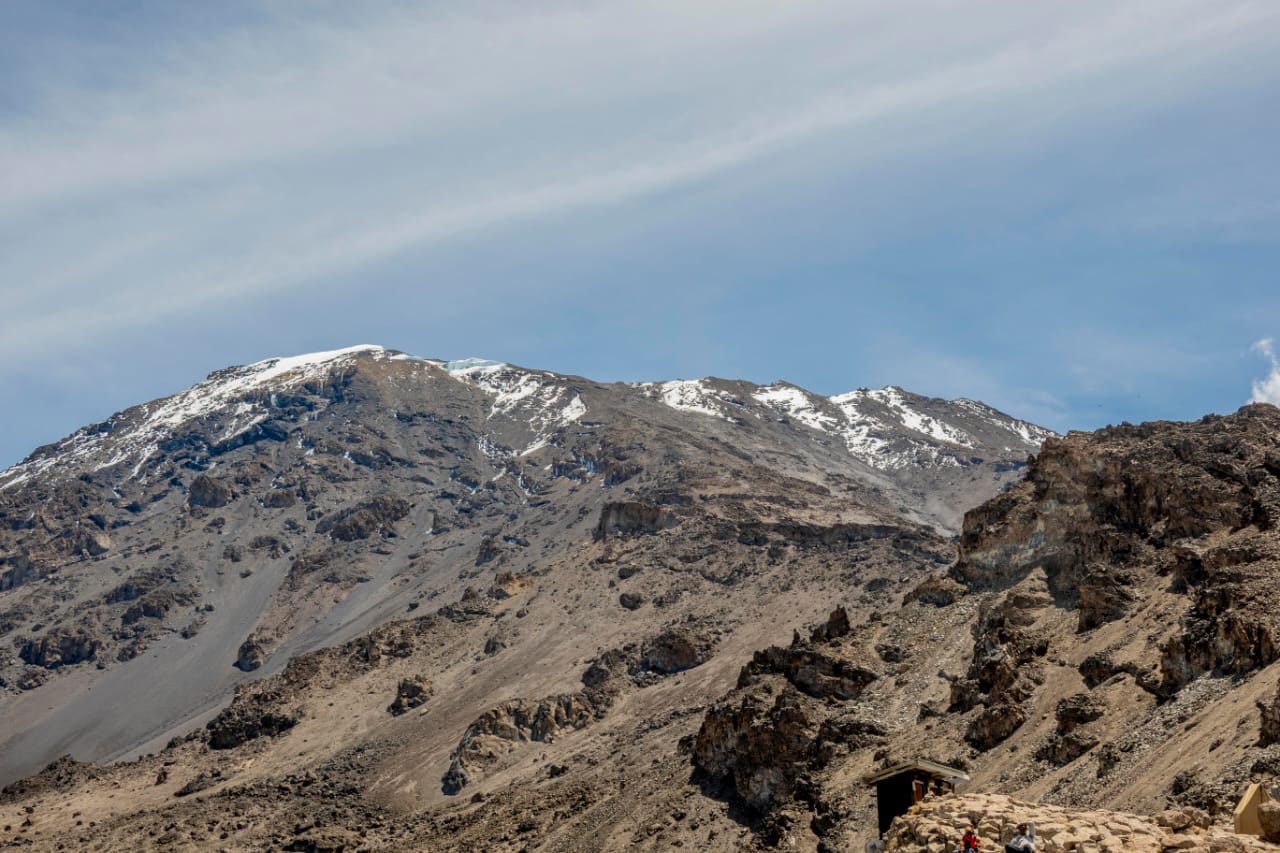
The longest route on Kilimanjaro at 9 days, ascending via the Lemosho approach before heading north to circumnavigate the entire summit massif clockwise. Joins the Rongai route on the eastern side before summiting. Offers views across all sides, southern flanks, western forests, northern plains, and the Kenya border. Excellent Acclimatization with remote, seldom-used paths.

Shira Route
Nearly identical to the Lemosho Route, but bypasses the forest segment by vehicle transfer to the Shira Picnic Site (3,400m). Hikers begin trekking from a higher elevation, making it best suited to climbers with prior high-altitude experience. Meets the Lemosho route on Day 2, then follows the southern circuit via Lava Tower, Barranco, and Barafu.
Umbwe Route
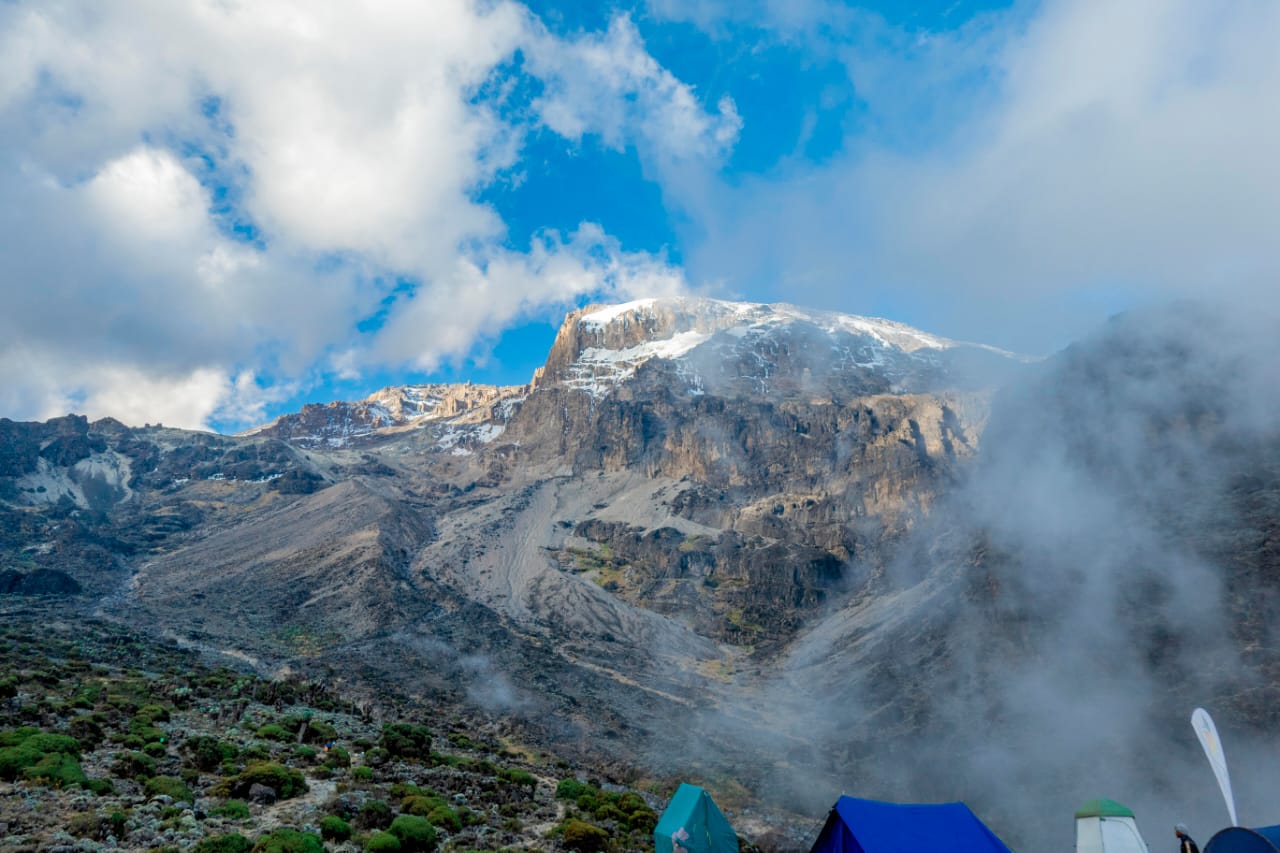
The hardest and most challenging route on Kilimanjaro. Very steep from the start. Features a beautiful, natural, thick forest and low traffic due to the difficulty. Little opportunity for acclimatization, so it is recommended for experienced high-altitude climbers only. Record holders use this route for fast ascents. Meets the Machame and Lemosho routes at Barranco on Day 2.
These day-by-day breakdowns use KiliDestination's real route documents. All routes start with an arrival day in Arusha for a gear check and briefing.
Northern Circuit Route: 9-Day Itinerary
Marangu Route: 6-Day Itinerary (5-Day Option Available)
Machame Route: 7-Day Itinerary
Lemosho Route: 8-Day Itinerary (6 or 7-Day Options Available)
Rongai Route: 7-Day Itinerary (6-Day Option Available)
Shira Route: 7-Day Itinerary
Umbwe Route: 7-Day Itinerary (Experienced Climbers Only)
Altitude sickness is the main reason trekkers fail to summit. Our expert guides use a proven acclimatization strategy that consistently beats industry averages, ensuring an inspiring journey to the top.
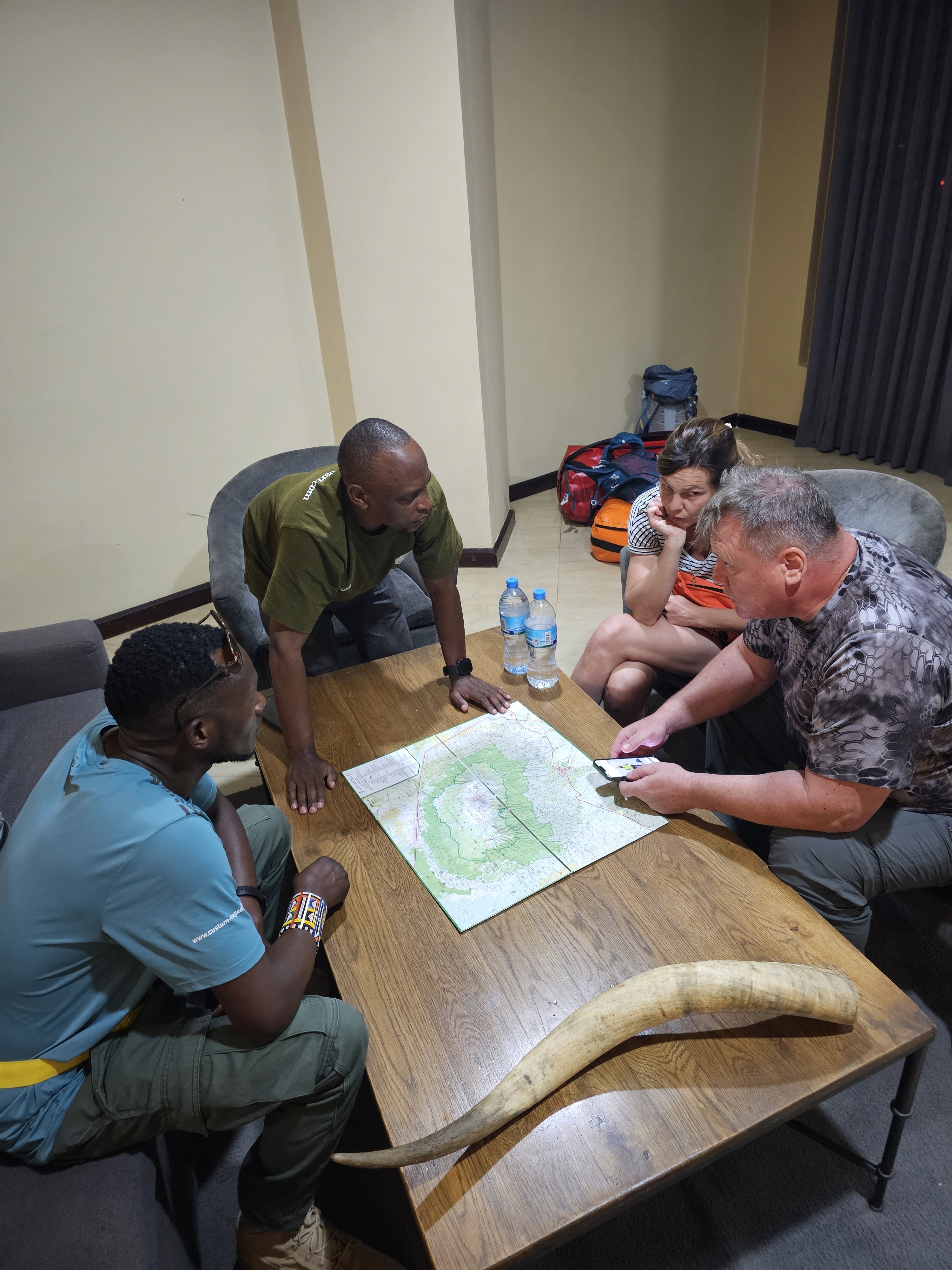
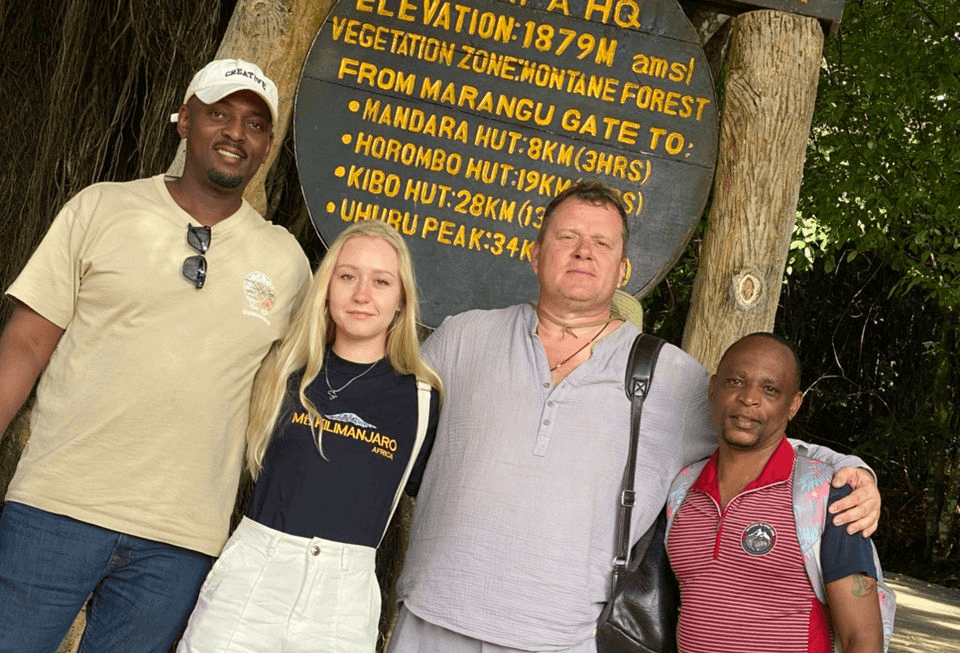
"Pole pole" (slowly, slowly in Swahili) is our philosophy. Rushing is the main cause of altitude sickness. Our guides set a deliberate, steady pace from day one, regardless of a trekker's early strength.
Guides use pulse oximeters to check blood oxygen at every camp. If SpO2 drops below safe limits, we act immediately, even if it means descending to lower levels. Your safety comes before the summit.
All KiliDestination lead guides are Wilderness First Aid (WFA) certified. They know how to spot and treat AMS,
HACE, and HAPE.
Kilimanjaro trek packages & prices
Packages are all-inclusive. Park fees, certified guides, porters, meals, camping gear, and airport transfers are always included.
Marangu Trek
Machame Trek
★ MOST BOOKED
Lemosho Trek
Rongai Trek
Northern Circuit
Marangu Trek
Machame Route
Lemosho Route
Rongai Route
Northern Circuit
Marangu Route
7–8 Days
7–8 Days
6–7 Days
9–10 Days
Marangu Route
$2,200
$2,500
$2,000
$2,800
PRICING NOTE
Prices are per person, based on a shared group. Solo and private trek prices are available on request. Group discounts apply to groups of 4 or more climbers. All packages include park fees, a certified guide, porters, gear, all meals, and transfers. Contact us for a personalized quote.
What's included in your Kilimanjaro
trek package
Included
Kilimanjaro National Park entry fees
All conservation & camping fees
TANAPA-certified lead guide
Assistant guide(s) & cook
Licensed, well-paid porters
Camping tents & sleeping pads
Dining tent & portable toilet tent
All meals & drinking water on the mountain
Rescue & emergency evacuation protocol
Pulse oximetry monitoring at every camp
Arusha / JRO airport transfers
Summit certificate
Not Included
International flights to Tanzania
Tanzania tourist visa ($50, obtainable on arrival or online)
Travel & medical insurance (required, we advise on providers)
Personal trekking gear (boots, sleeping bag, poles)
Guide & porter gratuities (customary, we provide guidelines)
Pre/post accommodation in Arusha (we can arrange)
Optional Zanzibar extension
Alcoholic beverages
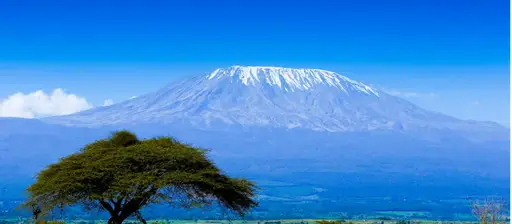
The dry season offers clear skies and stable weather. Vegetation is low, and animals gather at the water. Northern Serengeti has Great Migration river crossings. This is the busiest period.
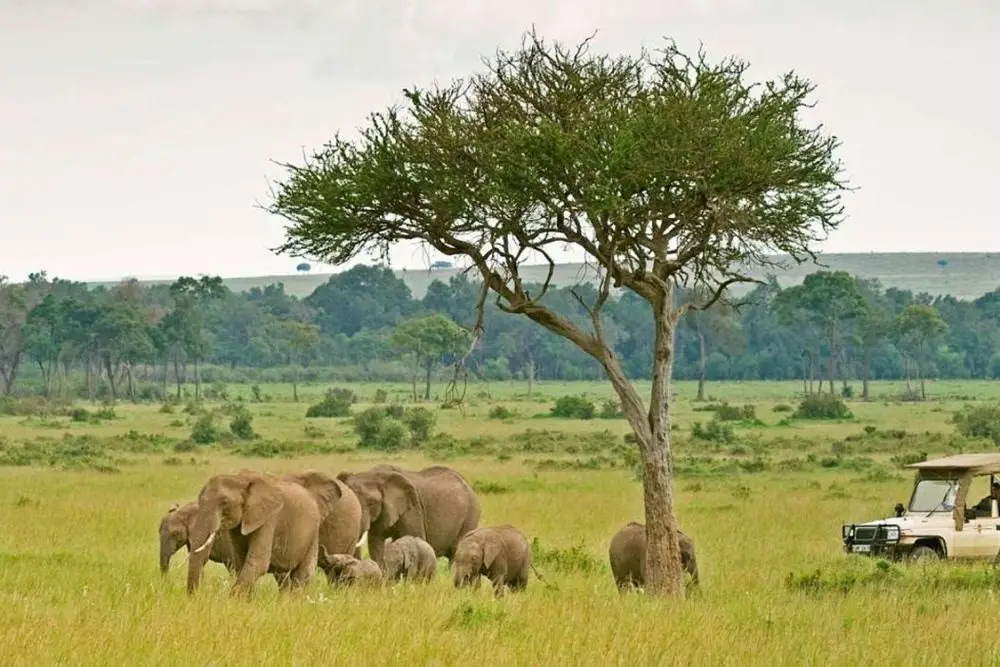
Fewer crowds, lower prices, and great birdlife. Southern Serengeti has wildebeest calving from January to March: a remarkable, little-visited event and a real insider tip.
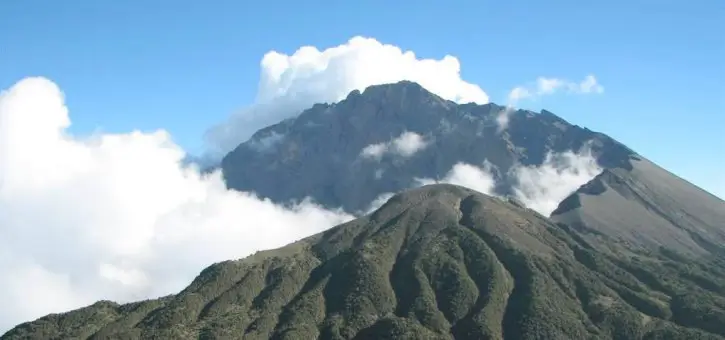
Heavy rains in April–May and November make trekking tough. We advise caution and recommend travel insurance in case of weather delays.
Why Choose Kilidestination for Your Kilimanjaro Trek
With so many operators out there, what truly sets us apart? Let us show you, in spirited, plain language, that our passion and local expertise make your Kilimanjaro journey extraordinary.


We never rush trekkers for the schedule. Guides carry pulse oximeters and oxygen kits and are Wilderness First Aid-certified. We follow strict acclimatization protocols and will recommend descent if conditions become unsafe.

KiliDestination is a locally owned non-profit that has been operating since 2014. We pay guides and porters above KPAP standards, enforce weight limits, and invest in education in Arusha. Your money stays in Tanzania.

The Tanzania Tourist Board fully licenses us, and we operate in accordance with TANAPA rules. Our pricing is itemized, no surprises.

We don't run one-size-fits-all tours. Every trek is customized to your fitness, schedule, experience, and budget. We also specialize in combining Kilimanjaro treks with Tanzania safaris for the ultimate East African adventure.

Browse our TripAdvisor reviews and then contact us to discuss your trek and get answers to your questions.
MOST POPULAR COMBINATION
Most clients pair a 7-day Kilimanjaro trek with a 3 or 4-day safari. Climb, then head straight to Serengeti or Ngorongoro Crater; the ultimate African adventure. We handle both with our expert local team.
Our safari packages cover Serengeti, Ngorongoro Crater, Tarangire, and Arusha National Park. All safaris use private 4x4s and local expert guides, offering options ranging from budget camping to luxury lodges.
How long does it take to trek Mount Kilimanjaro?
What is the best route for climbing Kilimanjaro for beginners?
How difficult is the Kilimanjaro trek? Do I need special fitness training?
What gear do I need for a Kilimanjaro trek?
What is the best time of year to climb Kilimanjaro?
How much does a Kilimanjaro trek cost with KiliDestination?
Do I need travel insurance for a Kilimanjaro trek?
Can I combine a Kilimanjaro trek with a Tanzania safari?
What is the summit success rate on Kilimanjaro?