One of the World's best birdwatching destinations is Tanzania, Here's why
Welcome to the world of birdwatching in Tanzania.
Home to more than 1,100 recorded bird species, Tanzania is considered one of Africa's premier birding destinations. Whether you are an experienced birdwatcher carrying binoculars and a field guide or simply someone who enjoys the beauty of nature, the country's extraordinary variety of birdlife offers something truly special.
From magnificent birds of prey soaring above the savannah to tiny sunbirds feeding on colourful flowers, every safari presents opportunities to discover species that many visitors never expected to see.
In this guide, we'll explore what makes Tanzania such an exceptional destination for birdwatching and why birdlife deserves a place alongside the country's famous mammals on every safari itinerary.
A Country of Incredible Diversity
One of the biggest reasons Tanzania supports such an impressive variety of birds is its remarkable range of habitats.
Within a single journey, travellers can experience open grasslands, freshwater lakes, dense forests, mountain slopes, wetlands, rivers, woodlands, volcanic highlands, and coastal environments.
Each habitat attracts different bird species.
The open plains of the Serengeti are home to ostriches, secretary birds, bustards, vultures, and numerous birds of prey.
The forests of Arusha National Park echo with the calls of turacos, hornbills, and colourful forest birds.
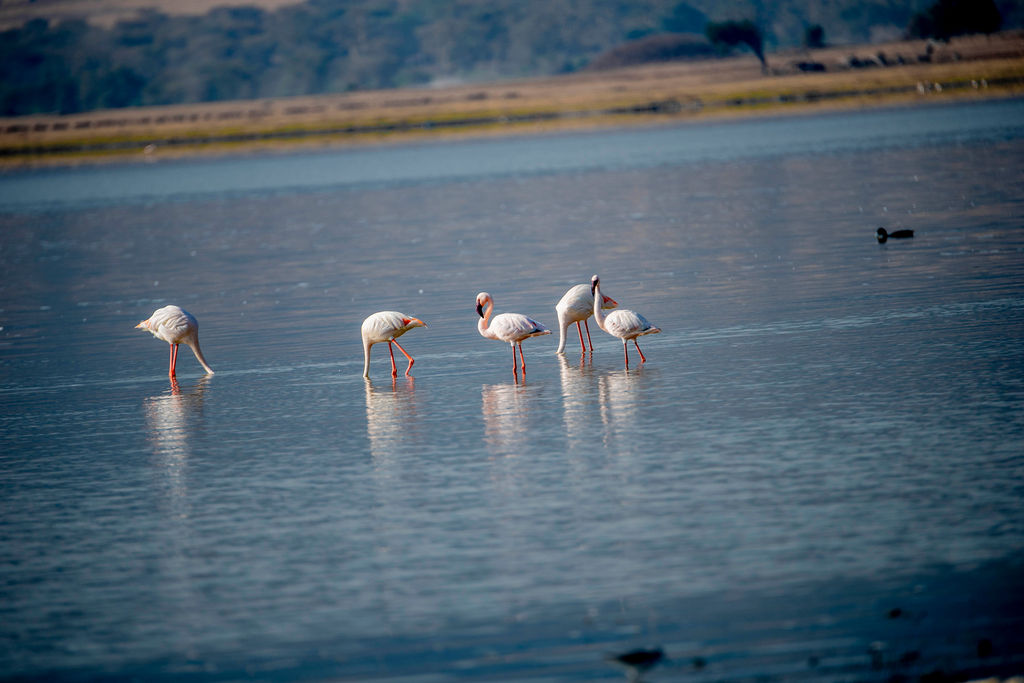
The alkaline waters of Lake Natron and other Rift Valley lakes attract thousands of flamingos.
Meanwhile, the wetlands and rivers found throughout the country provide ideal habitats for kingfishers, herons, storks, ibises, and many other waterbirds.
This incredible diversity means that every destination offers new birdwatching opportunities.
More Than 1,100 Bird Species
Tanzania boasts one of the richest bird populations on the African continent.
More than 1,100 species have been recorded across the country, making it a dream destination for bird enthusiasts.
These include resident species that live in Tanzania year-round as well as migratory birds arriving from Europe, Asia, and other parts of Africa.
For many international birdwatchers, Tanzania offers the exciting opportunity to observe species they may never encounter anywhere else.
Even visitors who arrive primarily for the Big Five are often surprised by the sheer number of colourful and fascinating birds they see during a safari.
Many first-time guests quickly realise that birdwatching becomes an unexpected highlight of their journey.
Every National Park Offers Something Different
Birdwatching in Tanzania is never limited to a single destination.
Each national park has its own unique combination of habitats and bird species.
The Serengeti is famous not only for its wildlife but also for impressive raptors, kori bustards, secretary birds, and colourful rollers.
Tarangire National Park attracts a wide variety of woodland birds alongside large populations of hornbills, lovebirds, bee-eaters, and eagles.
Lake Manyara National Park is often considered one of Tanzania's finest birdwatching locations, thanks to its combination of forests, wetlands, groundwater springs, and the seasonal presence of thousands of flamingos.
Arusha National Park offers excellent opportunities to spot forest birds, waterbirds, and mountain species within a relatively small area.
Travellers who explore several parks during one safari are rewarded with an extraordinary diversity of birdlife.
A Paradise for Colourful Birds
One of the greatest pleasures of birdwatching in Tanzania is the incredible variety of colours.
Brilliant blues.
Vivid reds.
Bright yellows.
Shimmering greens.
Many of Tanzania's birds seem almost too colourful to be real.
Visitors are often captivated by lilac-breasted rollers displaying their dazzling feathers, vibrant bee-eaters perched along riverbanks, dazzling sunbirds feeding among flowers, and striking kingfishers waiting patiently beside the water.
Even travellers with little previous interest in birds find themselves reaching for their cameras after spotting these remarkable species.
Birdwatching soon becomes an enjoyable part of every game drive.
Raptors Rule the Skies
The skies above Tanzania are just as exciting as the landscapes below.
The country is home to an impressive variety of birds of prey, including eagles, hawks, falcons, vultures, owls, and kites.
Watching a martial eagle soaring effortlessly above the plains or a fish eagle calling from the edge of a lake adds another dimension to the safari experience.
Vultures also play an essential ecological role by cleaning the environment and helping prevent the spread of disease.
Although they are sometimes overlooked, these remarkable birds are vital to maintaining healthy ecosystems.
For bird enthusiasts, Tanzania's impressive collection of raptors is one of the country's greatest attractions.
Birdwatching Is for Everyone
Many people assume that birdwatching is only for experienced birders carrying expensive cameras and detailed identification books.
The reality is quite different.
Birdwatching is one of the easiest wildlife activities to enjoy on safari.
Unlike many mammals, birds are active throughout the day.
They can often be seen close to safari tracks, around lodges, beside rivers, and even in the gardens of accommodation facilities.
With a knowledgeable guide pointing out different species and explaining their behaviours, even complete beginners quickly begin recognising familiar birds and appreciating their unique characteristics.
For many visitors, birdwatching becomes an enjoyable surprise that adds another layer to their Tanzanian adventure.
Home to Rare and Endemic Birds
One of the reasons experienced birdwatchers travel from around the world to Tanzania is the opportunity to see species that are difficult—or even impossible—to find elsewhere.
The country is home to several endemic and near-endemic birds whose ranges are limited to East Africa or specific regions of Tanzania. For dedicated birders, spotting one of these rare species is often the highlight of an entire trip.
The Udzungwa Mountains, Eastern Arc forests, and other unique ecosystems provide habitats for birds found nowhere else on Earth. These specialised environments make Tanzania not only a beautiful destination but also an important centre for global biodiversity.
Even if you're not an experienced birder, knowing that you're observing species with such limited distributions makes every sighting feel even more special.
The Best Time for Birdwatching
One of the greatest advantages of birdwatching in Tanzania is that it can be enjoyed throughout the year.
Resident birds can be seen in every season, while different times of the year bring unique opportunities.
From November to April, migratory birds from Europe, Asia, and other parts of Africa arrive in Tanzania, significantly increasing the number of species visitors can observe. During this period, many resident birds also display their vibrant breeding plumage, making them especially colourful and easier to identify.
The green season is particularly rewarding for birdwatchers. The landscapes become lush after the rains, insects are abundant, and bird activity increases as many species begin nesting and raising their young.
During the dry season, birds often gather around rivers, lakes, and waterholes, making them easier to observe alongside Tanzania's famous mammals.
No matter when you visit, Tanzania offers exceptional birdwatching opportunities.
A Dream Destination for Bird Photographers
For wildlife photographers, birds present endless opportunities for creativity.
The dazzling colours of a lilac-breasted roller, the elegant flight of an African fish eagle, or the delicate movements of a sunbird feeding among flowers all make extraordinary photographic subjects.
Unlike larger mammals that may spend hours resting, birds are constantly active. They hunt, sing, build nests, care for chicks, and interact with one another in fascinating ways.
Photographers often find that every game drive offers countless opportunities to capture unique behaviour and striking compositions.
Early morning and late afternoon light provide ideal conditions, bathing the landscape in warm golden tones that enhance the beauty of both birds and their surroundings.
Birds Play an Essential Role in Nature
Birds do much more than add beauty to Tanzania's landscapes.
They are essential to the health of the country's ecosystems.
Some species help control insect populations by feeding on insects that might otherwise become pests.
Others pollinate flowers, allowing plants to reproduce and maintain healthy habitats.
Fruit-eating birds disperse seeds across forests and grasslands, contributing to the regeneration of vegetation.
Vultures perform one of nature's most important cleaning services by consuming animal carcasses before diseases can spread.
Every bird, no matter how small, plays a role in maintaining the balance of the ecosystem.
Understanding these connections helps visitors appreciate that birdwatching is about far more than identifying species—it is about observing the intricate relationships that keep nature thriving.
The Value of an Experienced Guide
While birds can certainly be enjoyed independently, exploring Tanzania with a knowledgeable local guide greatly enriches the experience.
Experienced guides recognise bird calls long before the birds become visible.
They know where certain species are commonly found, understand seasonal movements, and can explain fascinating behaviours that many visitors would otherwise overlook.
A guide may point out a tiny kingfisher perched quietly above a stream, identify the distinctive call of a hornbill hidden high in the trees, or explain how a secretary bird hunts snakes across the open plains.
Their local knowledge transforms birdwatching from simply spotting birds into understanding the stories behind each encounter.
Bird Conservation Matters
Like many forms of wildlife, birds depend on healthy habitats to survive.
Protecting forests, wetlands, rivers, grasslands, and lakes ensures that bird populations continue to flourish alongside Tanzania's other wildlife.
National parks play a critical role in conserving these habitats by limiting habitat destruction, reducing human disturbance, and supporting scientific research.
Responsible tourism also contributes to bird conservation.
When travellers visit protected areas responsibly, they help generate revenue that supports conservation programmes, habitat management, environmental education, and local employment.
Every birdwatching safari contributes, in its own way, to preserving these extraordinary ecosystems for future generations.
Birdwatching Adds a New Dimension to Every Safari
Even travellers who arrive hoping to see the Big Five often leave with a newfound appreciation for Tanzania's birdlife.
A colourful roller landing beside the vehicle.
A family of crowned cranes dancing across a wetland.
An eagle soaring effortlessly above the plains.
A flock of flamingos turning an entire lakeshore pink.
These moments remind us that every safari offers far more than its most famous animals.
By paying attention to birds, visitors begin to notice the smaller details of the wilderness—the songs at sunrise, the movements in the treetops, and the remarkable diversity that surrounds them throughout the journey.
Birdwatching encourages travellers to slow down, observe carefully, and experience nature more completely.
Final Thoughts
Tanzania's reputation as one of the world's greatest safari destinations is well deserved, but its incredible birdlife deserves equal recognition.
With more than 1,100 recorded bird species, diverse ecosystems, spectacular landscapes, and year-round birdwatching opportunities, the country offers unforgettable experiences for both dedicated birders and first-time safari travellers.
Whether you are identifying your hundredth species, photographing an eagle in flight, or simply admiring the brilliant colours of a bee-eater for the first time, every bird adds another layer to your understanding of Tanzania's extraordinary natural world.
At Kilidestination, we believe that every safari should celebrate the full richness of Tanzania's wildlife. Our experienced local guides are passionate about helping guests discover not only the country's iconic mammals but also the remarkable birds that bring its landscapes to life.
Whether you're an experienced birdwatcher, an enthusiastic photographer, or simply curious about the incredible diversity of East African wildlife, we would be delighted to design a safari that matches your interests.
Ready to discover Tanzania from a new perspective? Contact Kilidestination today and join us on a safari where every sunrise brings new birds to admire, new stories to uncover, and unforgettable memories to take home.