Is Mount Meru Good for Kilimanjaro Acclimatisation?
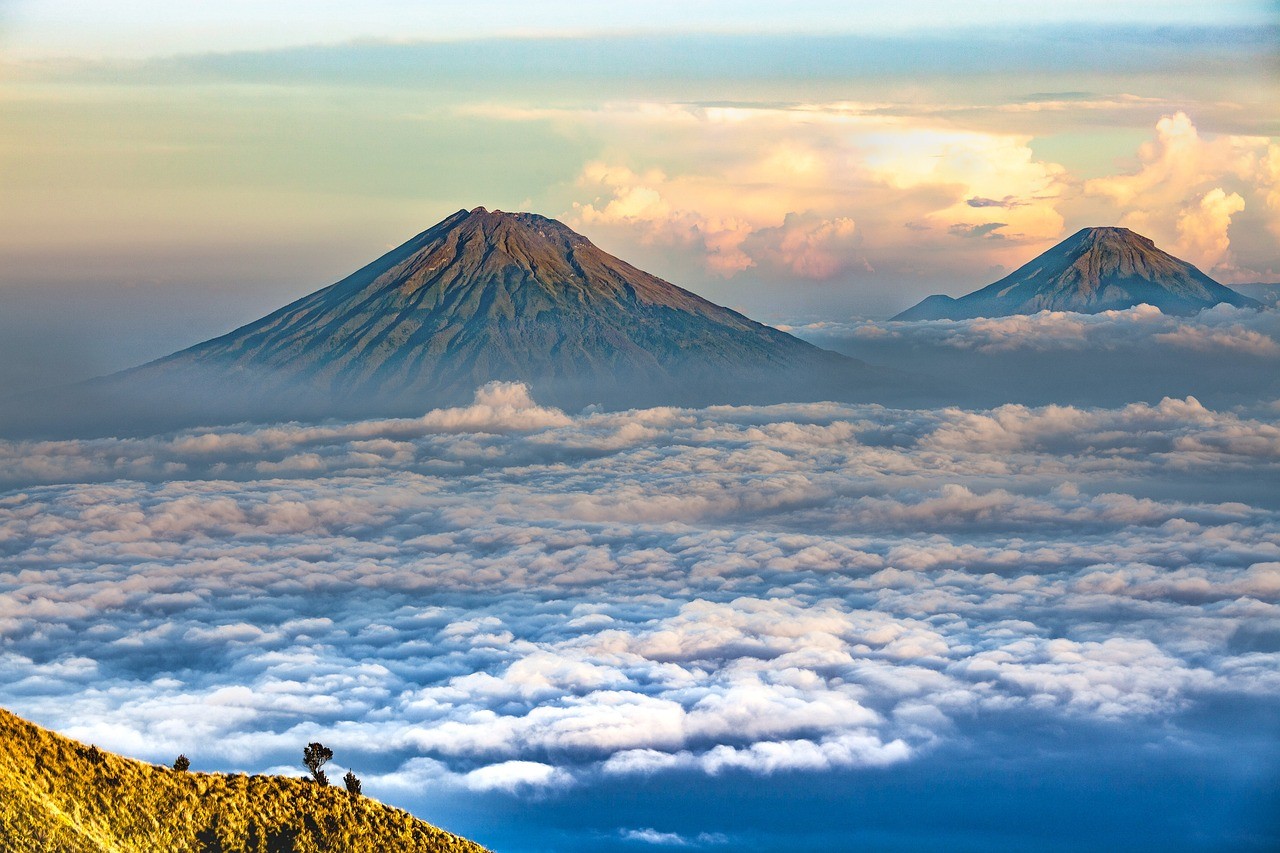
Let’s be real for a second, if you’re planning to fly all the way to East Africa in 2026, you probably have Kilimanjaro circled, starred, and underlined on your bucket list. We get it. Standing on the Roof of Africa is a life-altering moment.
But here’s the thing. Most people treat Kilimanjaro like a sprint. They fly in, rush up the mountain, and spend half the time fighting a headache instead of enjoying the view. At KiliDestination, we’ve guided thousands of hikers, and we want to let you in on the secret weapon that our most successful and happiest climbers use - Mount Meru. If you’re looking for the absolute best way to experience Tanzania trekking tours, you need to look at the ‘Twin Peaks’ strategy.
Is Mount Meru Good for Kilimanjaro Acclimatisation?
This is the question we get every single day in our inbox. The short answer? It’s the best ‘cheat code’ for a successful Kilimanjaro summit. Think of your body like a high-performance engine. If you suddenly take it from sea level to nearly 6,000 meters, it’s going to break down. Acclimatisation is the process of letting your body produce more red blood cells to carry oxygen in thin air.
When you join our Mount Meru climbing tours, you aren't just doing a warm-up. At 4,562 meters (14,967 ft), Meru is high enough to trigger those vital physiological changes, but not so high that it completely drains your energy. By the time you start your Kilimanjaro trek a few days later, your lungs are already calibrated. You’ll find yourself breathing easier, sleeping better at high camps, and most importantly, having a much higher chance of standing on Uhuru Peak while everyone else is struggling.
How Difficult is Mount Meru Compared to Kilimanjaro?
It’s a bit of a paradox, and we like to be honest with our hikers. If we’re talking pure physical endurance, Kilimanjaro is the giant beast. The days are longer, the summit night is a 12-to-15-hour marathon, and the Arctic zone at the top is punishing.
However, in terms of technical fun, Mount Meru takes the trophy.
The Knife Edge Ridge: Unlike the dusty paths of Kili, Meru features a dramatic, narrow volcanic crater rim. It’s a bit of a scramble where you’ll use your hands for balance. It’s exhilarating, and frankly, the views from Socialist Peak looking across at Kili are the best in Africa.
The Wildlife Factor: Since Meru is located within Arusha National Park, Day 1 of your trek is essentially a walking safari. We’ll have an armed ranger with us because we often walk past giraffes, buffalo, and even the occasional elephant.
The Verdict: Meru is steeper and more mountainous, but Kilimanjaro is a longer test of your willpower. Doing them together makes you a much more confident climber.
Mount Meru 3-Day vs. 4-Day Trek: Which One Should You Book?
In 2026, we’re seeing many travellers trying to squeeze everything into a tight schedule. But when it comes to Meru, we have a very strong recommendation.
The 3-Day Trek: The Express
This is for the time-crunched traveller. You push fast, you summit on the second night, and you descend the entire mountain in one day.
Our take: It’s a knee-killer. You’ll be exhausted when you finish, which isn't ideal if you're about to start Kilimanjaro.
The 4-Day Trek: The "Human" Choice
This is the gold standard for Tanzania trekking tours. You get an extra night to soak in the views, your body gets that vital extra 24 hours of acclimatisation, and the descent is split so you actually finish the trek feeling energised.
Our take: If you want to use Meru for acclimatisation, choose the 4-day trek. Your future self on Kilimanjaro will thank you.
Choosing the Best Mount Meru Tour Operators 2026
The travel landscape has changed. In 2026, you don't just want a guide; you want a team that understands the ethics of the mountain. When you’re looking for the best Mount Meru tour operators 2026, look past the price tag.
What we focus on at KiliDestination:
Safety First: We don't just "hope" you're okay. We perform twice-daily health checks with pulse oximeters and have oxygen on standby.
The Porter Experience: We believe a happy crew makes for a happy climb. We ensure our porters are fairly paid, properly clothed, and treated as the heroes they are.
Local Expertise: Our guides grew up in the shadows of these mountains. They don’t just know the trails; they know the stories, the birds, and the unwritten rules of the wind.
Why Book Your Adventure with KiliDestination?
We know you have a lot of options when it comes to exploring East Africa. But at KiliDestination, we treat your trip as a partnership. We aren't some massive corporation; we are a local team that lives for the moment our guests see the sunrise from the summit.
We specialise in creating seamless Tanzania vacation packages that take the stress out of the what-ifs. Whether you want to pair your Meru and Kili climbs with a private safari through the Serengeti to see the Great Migration, or you want to end your trip by soaking your tired muscles in the turquoise waters of Zanzibar, we handle the logistics from start to finish.
We’ll arrange the airport transfers, the high-quality mountain gear, the delicious camp meals, and the celebratory drinks at the end. You just bring your boots and your sense of adventure.
Ready to see the world from a higher perspective? Let KiliDestination show you the real Tanzania. Reach out today, and let's get you on the trail for 2026!
Frequently Asked Questions
Do I need special climbing gear for the Knife Edge"on Mount Meru?
No. While it’s called a scramble, you don't need ropes or harnesses. You just need a decent pair of hiking boots with good grip and a steady head for heights. Your guides will be right there to show you exactly where to put your feet.
Can I see the Big Five while trekking?
You won't see all of them on the mountain, but it's very common to see buffalo and occasionally leopards on Meru. To see the full Big Five, we always recommend adding a 2 or 3-day safari to your trip after the trek.
What is the accommodation like on Mount Meru?
Unlike the tents on most Kilimanjaro routes, on Meru, we stay in wooden mountain huts. They are basic but cosy, offering protection from the wind and rain. You’ll be in bunk beds, which makes for a very social and fun base camp atmosphere.